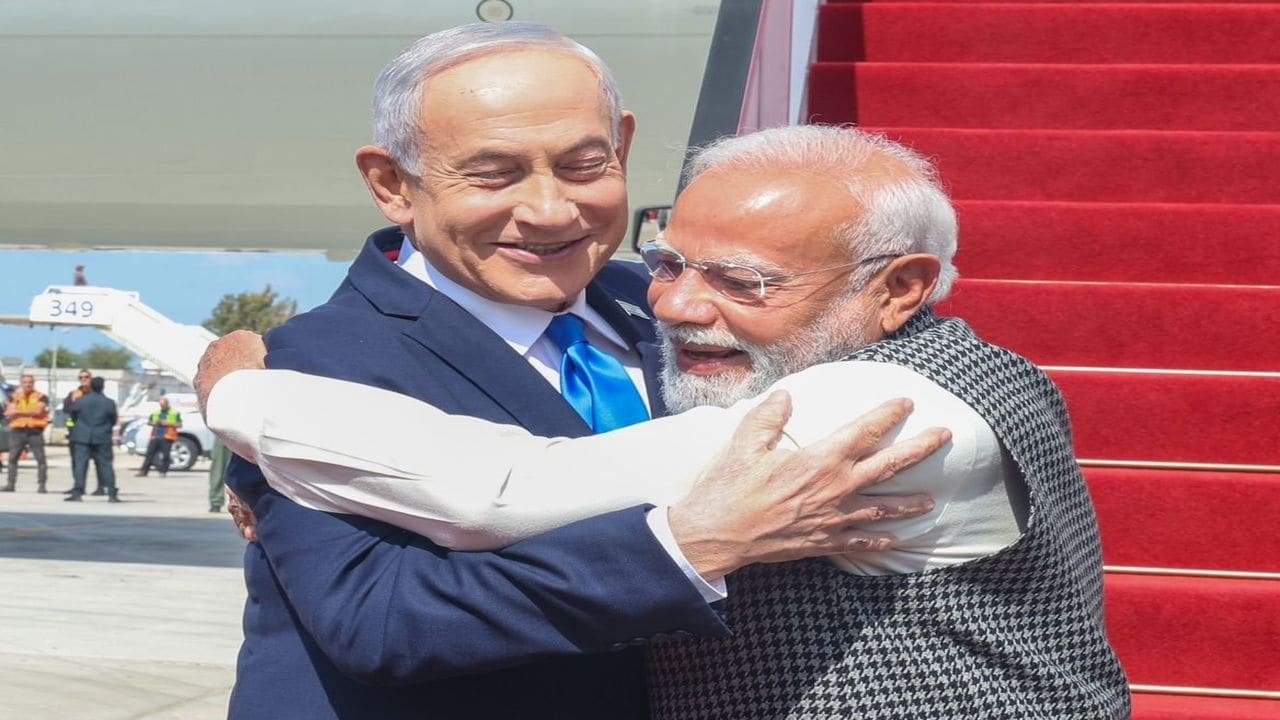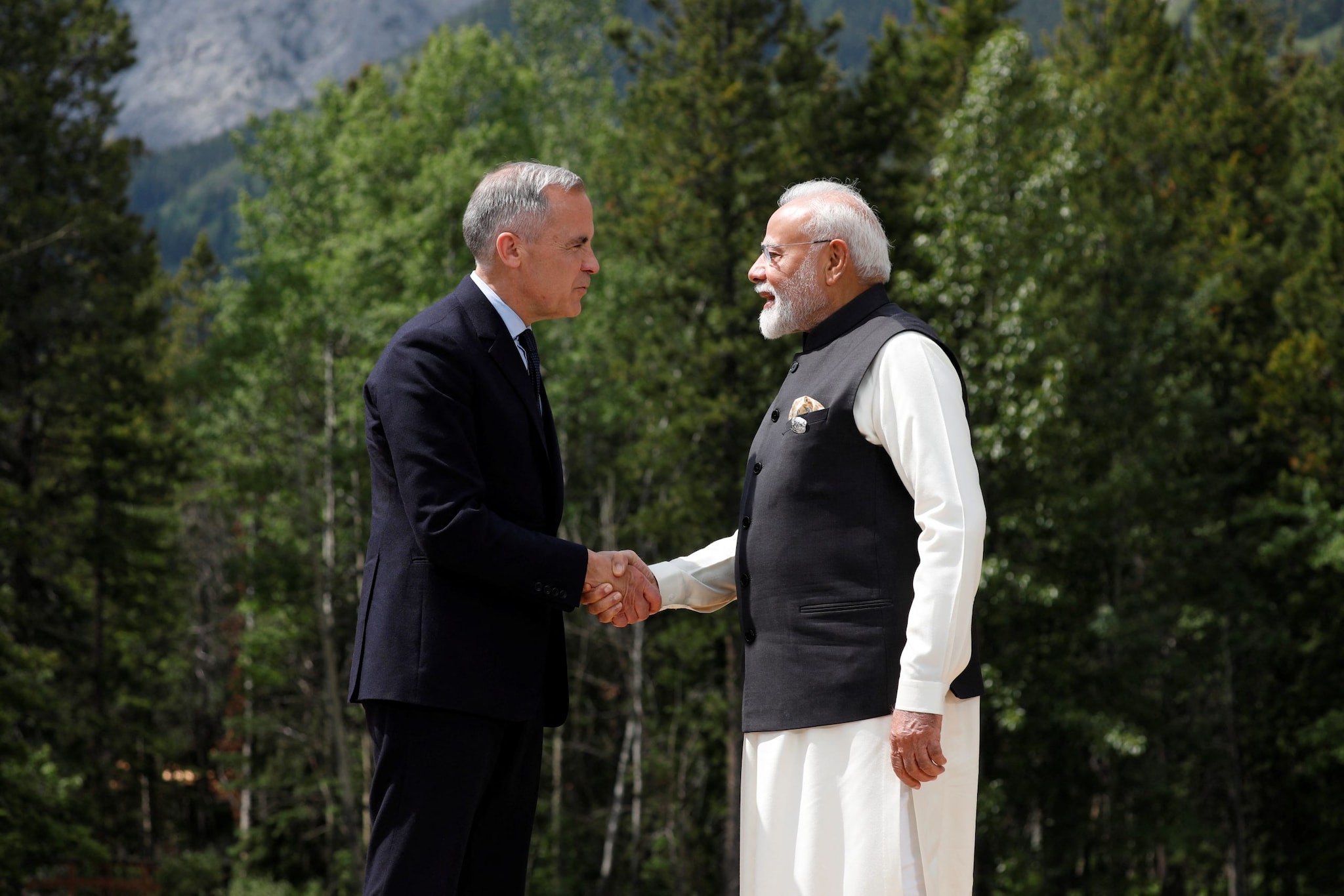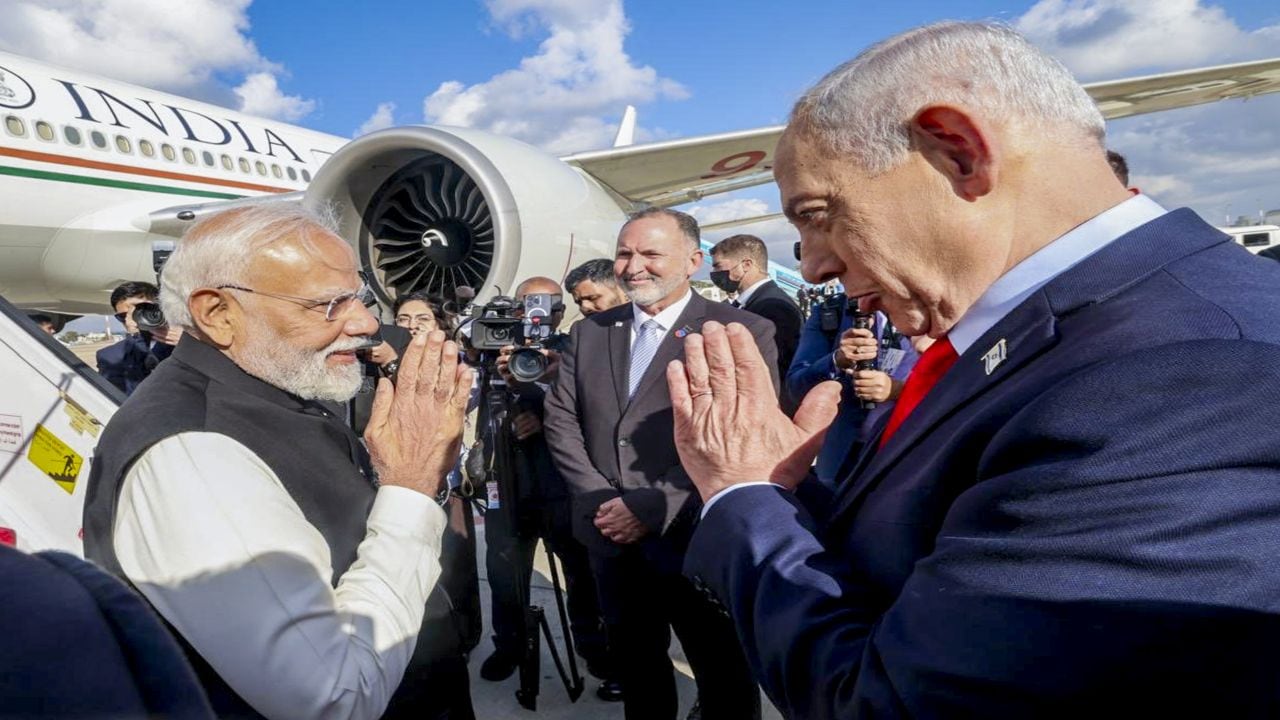
For decades, India treated its relationship with Israel like a secret it wasn't quite ready to admit to the world. We bought their tech and their weapons, but we kept the lights dim to avoid upsetting traditional allies. Those days are officially over. Prime Minister Narendra Modi’s latest visit to Jerusalem wasn't just another diplomatic photo op; it was the final nail in the coffin of India’s old, hesitant foreign policy.
When Modi and Benjamin Netanyahu stood together at the Yad Vashem Holocaust Memorial, it wasn't just about history. It was a loud statement about the present. By elevating the relationship to a Special Strategic Partnership, both nations are betting big on a future where they don't just trade goods—they build the future together. Read more on a similar issue: this related article.
The Weight of Memory at Yad Vashem
Walking through the Hall of Names at Yad Vashem is a heavy experience for anyone, but seeing the leaders of two of the world’s most resilient civilizations there together felt different. Modi paid tribute to the six million Jews murdered by the Nazi regime, laying a wreath and signing the visitor’s book with a message about upholding human dignity.
It’s easy to dismiss these visits as standard protocol. Don't. For India, this is a deep recognition of a shared history of survival. Modi’s gesture of visiting the memorial, combined with his earlier tribute to the 4,000 Indian soldiers who died in this region during World War I, bridges a gap of over a century. It reminds us that India’s connection to this land isn't new; it’s written in blood and sacrifice. Additional reporting by TIME explores similar views on this issue.
Beyond the Handshakes—The Real Deals
If you think this trip was all about symbolism, look at the paperwork. We're talking about 17 major agreements that cover everything from the food on your plate to the chips in your phone. This isn't just about India buying more missiles—though defense remains a massive pillar. It’s about a total integration of economies.
The Fintech Revolution
One of the most practical wins for regular people is the agreement to bring UPI to Israel. Soon, an Indian tourist in Tel Aviv or a business traveler in Haifa can scan a QR code and pay just as easily as they do at a tea stall in Delhi. This kind of financial linkage does more for "people-to-people" ties than a hundred speeches ever could.
High-Tech and AI
Israel is the "Start-Up Nation," and India has the world’s largest pool of tech talent. The new Partnership for Critical and Emerging Technologies focuses on:
- Artificial Intelligence: Using AI for public welfare and geophysical exploration.
- Semiconductors: Securing a supply chain that doesn't rely on a single, volatile region.
- Quantum Computing: Preparing for the next leap in processing power.
Why "De-hyphenation" is a Bold Move
For years, Indian leaders wouldn't visit Israel without also stopping in Ramallah to see Palestinian leaders. It was a diplomatic "hyphen" that kept India from fully engaging with either side effectively. Modi has effectively scrapped that. By treating the relationship with Israel as a standalone priority based on India’s own national interests—security, water, and food—he’s practicing what experts call strategic autonomy.
This doesn't mean India has abandoned the Palestinian cause. In fact, India still supports a two-state solution. But it means New Delhi is no longer letting one relationship hold the other hostage. It’s a pragmatic, "India First" approach that recognizes Israel as a vital partner for 21st-century survival.
Securing the Future of Food and Water
While the fighter jets get the headlines, the real life-saver in this partnership is water. Israel is the world leader in desalination and drip irrigation. India, facing a massive water crisis in its agricultural heartlands, needs that expertise.
The expansion of Centres of Excellence to 100 locations across India is a massive deal. These aren't just offices; they're hubs where Indian farmers learn how to grow more food with less water. The "Villages of Excellence" initiative aims to transform rural India using Israeli tech, making farming a viable business again for millions.
The New Strategic Hexagon
Netanyahu mentioned a "hexagon of alliances" involving India, Israel, Greece, and Cyprus. This is a clear signal that the world is moving toward smaller, more efficient groups of like-minded nations. With the India-Middle East-Europe Economic Corridor (IMEC) on the horizon, this partnership acts as a bridge between the East and the West.
Honestly, the chemistry between the two leaders is hard to ignore. Whether you like their politics or not, the personal rapport between "my friend Narendra" and "Bibi" has fast-tracked decisions that used to take years. They've moved past the "buyer-seller" dynamic and into a "co-development" phase.
The next step is the Free Trade Agreement (FTA). Negotiators have been told to move fast. Once that’s signed, expect a flood of Israeli tech firms setting up shop in India and Indian firms using Israel as a gateway to Mediterranean markets. If you're in tech, agriculture, or defense, now's the time to start looking toward the Levant.
Stay updated on the official joint statements through the Ministry of External Affairs to see how these MoUs turn into actual projects on the ground.