Pavel Durov is officially in the crosshairs of the same country he fled over a decade ago. On February 24, 2026, Russian authorities confirmed they’ve opened a criminal investigation into the Telegram founder, and the charges aren't exactly light. We’re talking about "abetting terrorist activities." This isn’t just some minor regulatory spat; it’s a full-blown escalation that signals the end of the "uneasy peace" between the Kremlin and the tech billionaire.
If you’ve been following the Telegram saga, you know the app has been the backbone of Russian communication—from top-tier military officials on the front lines to everyday citizens dodging state media. But according to the FSB (Russia's federal security service), that same anonymity is now a "hybrid warfare" tool for NATO and Ukraine. They're basically claiming Telegram is a playground for assassins and saboteurs.
The charges and what they really mean
The Russian state newspaper Rossiyskaya Gazeta didn't mince words. The investigation focuses on Article 205.1 of the Russian Criminal Code. In plain English? They’re accusing Durov of helping terrorists by refusing to hand over the "keys" to the kingdom—the encryption keys that would let the FSB read whatever they want.
It's a classic catch-22 for Durov. If he gives in, he kills the one thing that makes Telegram popular: the promise of privacy. If he doesn't, he faces up to 15 years in a Russian prison—though since he lives in Dubai and holds French and UAE citizenship, they’d have to catch him first.
The FSB claims Telegram's refusal to cooperate led to:
- Coordination of the Crocus City Hall shooting in 2024.
- High-profile assassinations of military officers.
- Thousands of arson attacks and bombings organized via the platform.
Durov isn't staying silent. He posted on X (formerly Twitter) calling the whole thing a "sad spectacle of a state afraid of its own people." He's framing this as a desperate move to kill off free speech. Honestly, he’s not wrong. The timing is too perfect. This move comes right as the Kremlin is pushing "MAX," a state-controlled messenger that basically has a "send to police" button built into its code.
Why now? The war and the Western pressure
You might wonder why Russia is doing this now. After all, they tried to block Telegram in 2018 and failed miserably. Since then, they've used it just as much as everyone else. But the calculus changed in 2024 when Durov was arrested in France.
Back then, French authorities hit him with charges related to drug trafficking and child exploitation on the platform. To the Kremlin, this looked like the West was trying to crack Telegram’s encryption for themselves. If Durov is going to fold for the French, Moscow wants to make sure he folds for them first.
Russian officials like Digital Minister Maksut Shadayev are now claiming that foreign intelligence agencies—meaning the CIA and others—already have access to Telegram messages. There's zero proof of that, but it’s a convenient excuse to tell Russian soldiers to stop using the app.
The rise of the sovereign internet
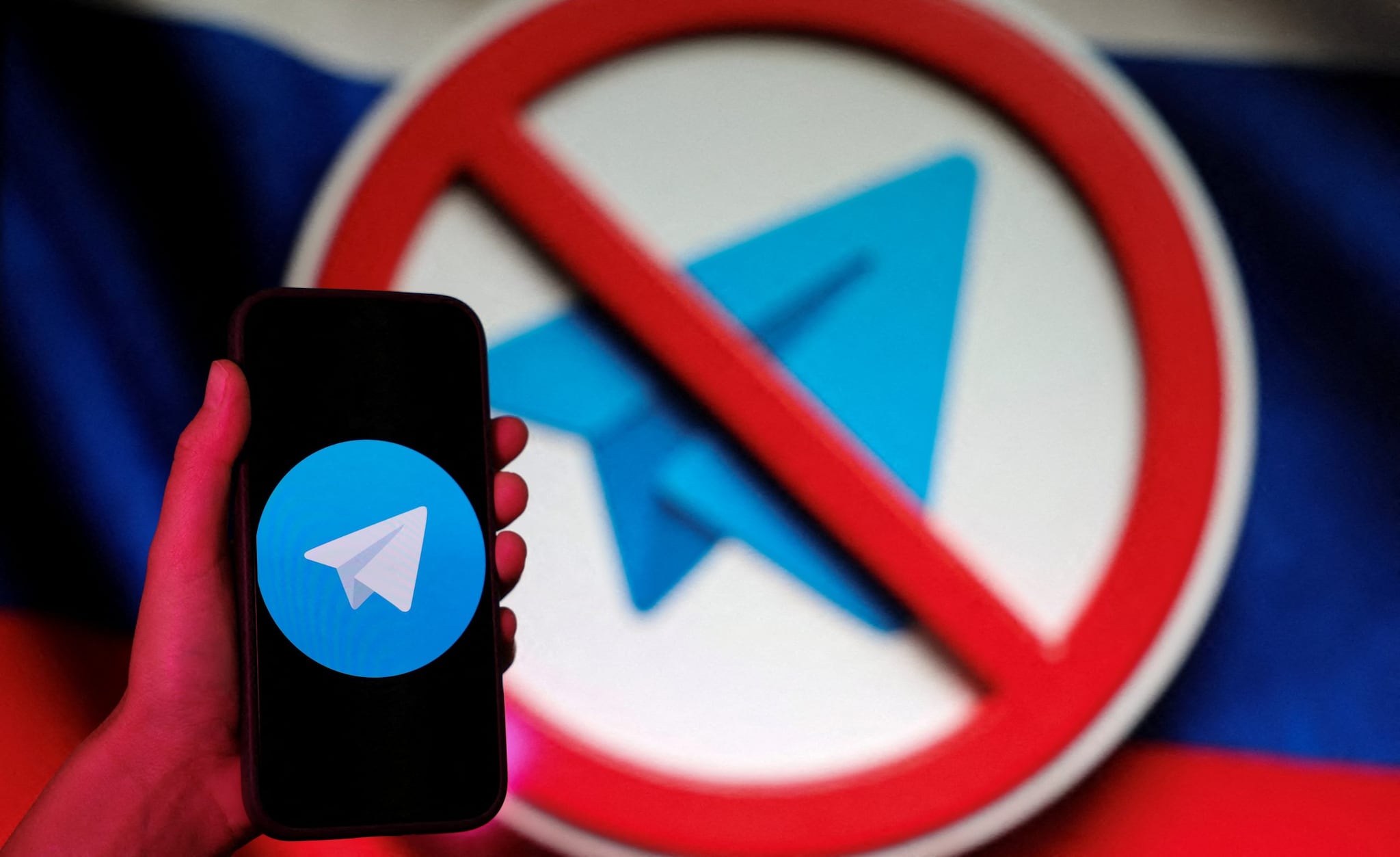
Russia has already throttled Telegram's traffic by about 55% recently. They’ve blocked WhatsApp and YouTube. They’re trying to build a digital wall. By labeling Durov a "terrorist abettor," they’re setting the stage for a total ban.
They want you on MAX. They want you on platforms where they don't need a court order to see your grocery list or your political rants. It’s about "digital sovereignty," which is just a fancy term for total control.
What this means for your data
If you’re using Telegram, the "secret chat" feature is still end-to-end encrypted, but your regular chats aren't. Telegram stores those on their servers. Until now, Durov has been the gatekeeper. But with two of the most powerful intelligence apparatuses in the world—France (and by extension the EU/US) and Russia—squeezing him at the same time, that gate is looking pretty flimsy.
Telegram recently updated its policy to say it will share IP addresses and phone numbers of "bad actors" with authorities if given a valid legal request. That was a huge shift. Russia is now testing exactly how "valid" their requests have to be.
Moving forward
Don't expect Durov to hop on a plane to Moscow to clear his name. He's been down this road before with VKontakte. He'll likely stay in Dubai or travel to countries that don't have extradition treaties with Russia.
For the rest of us, it’s a reminder that no "secure" app is truly safe when it becomes a geopolitical football. If you're worried about privacy, now is the time to look into decentralized protocols that don't have a CEO to arrest.
Switch your most sensitive conversations to apps that don't store metadata. Turn on two-factor authentication (2FA) with an app, not a SMS code. And most importantly, don't assume that just because a platform is "anti-establishment" today, it won't be forced to compromise tomorrow.