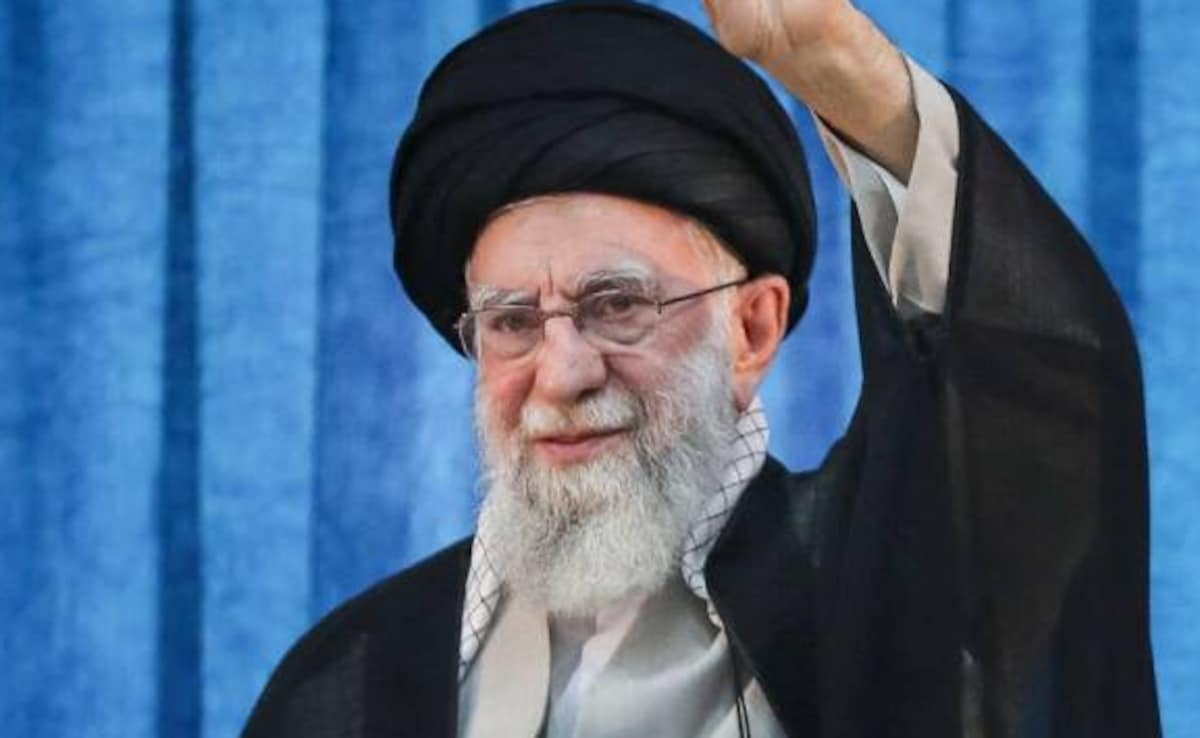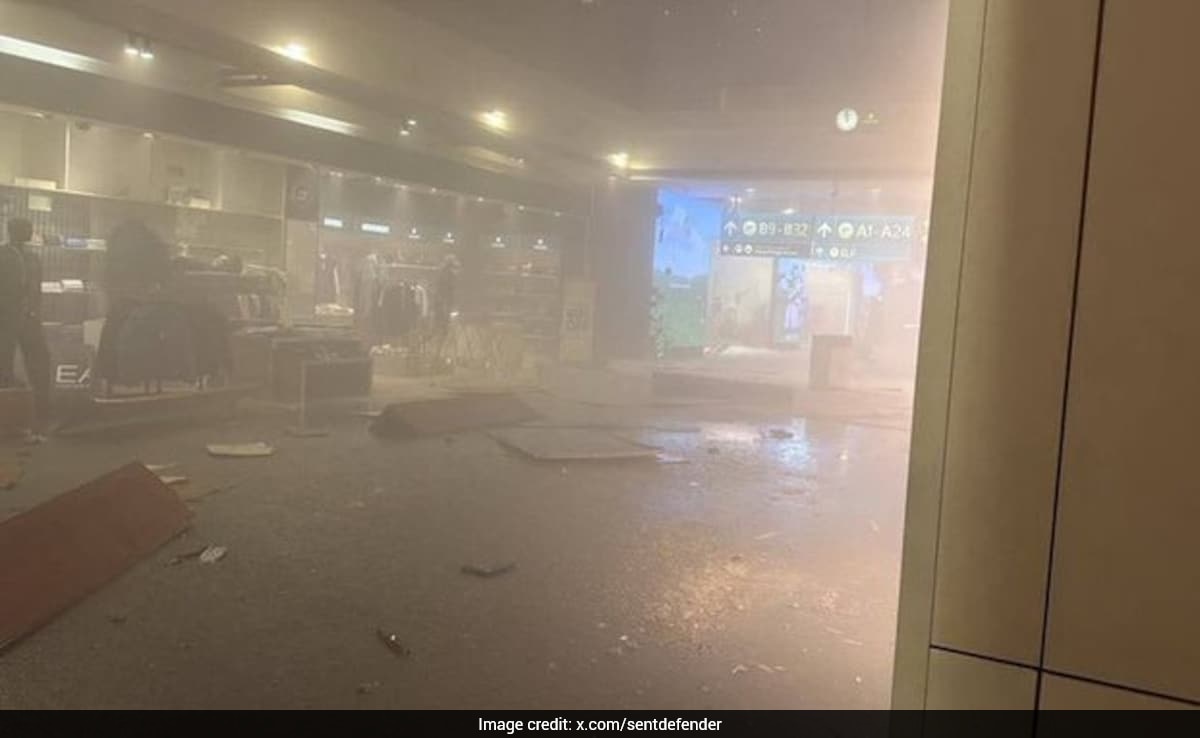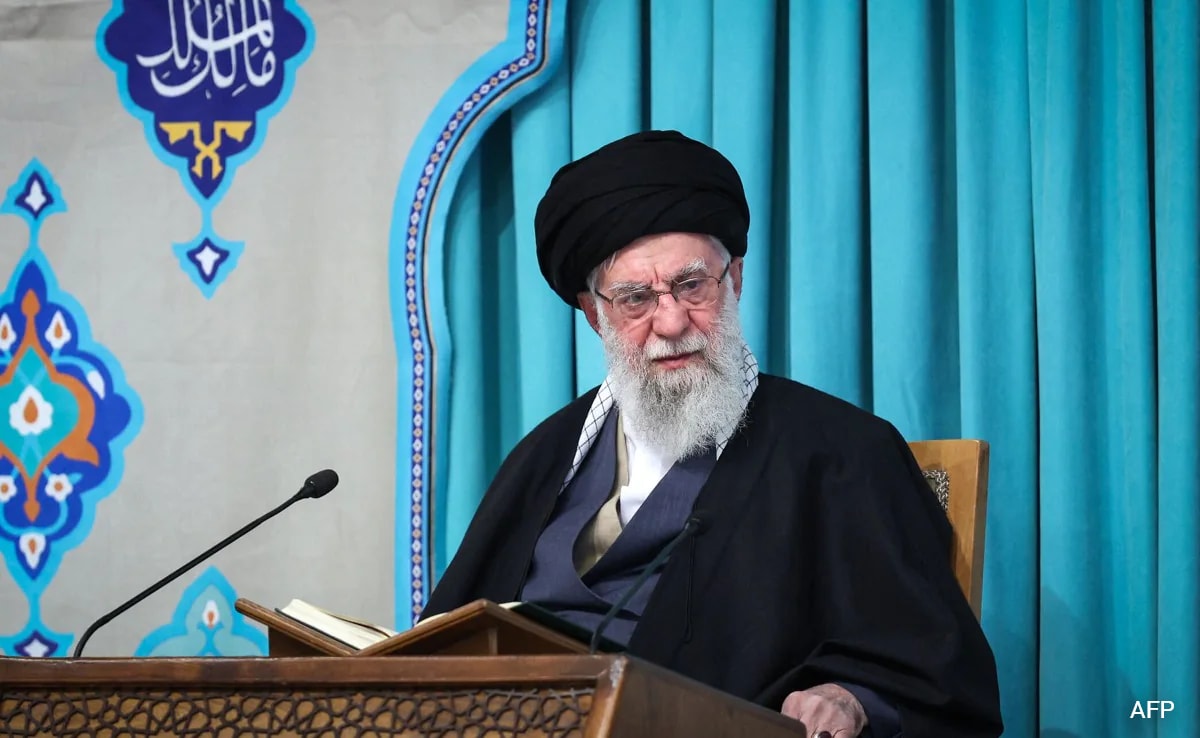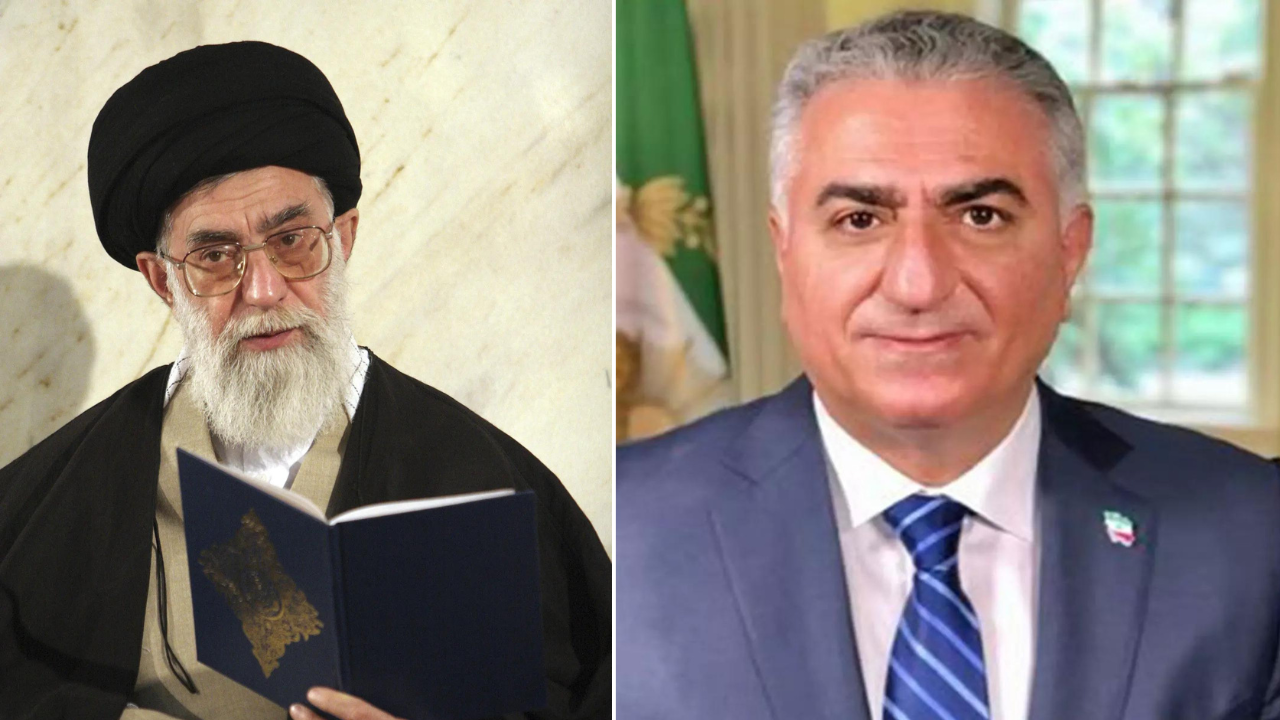
The smoke hasn't even cleared from the latest strikes on Tehran, and the maps are already being redrawn. With the death of Ali Khamenei confirmed after a massive U.S.-Israeli operation, the question isn't just "who's next" in the clerical line. It's whether the line ends here. Crown Prince Reza Pahlavi thinks it does. He isn't just waiting in the wings anymore; he’s actively pitching a 180-day "Emergency Phase" to prevent Iran from becoming the next Iraq or Libya.
Most people think an exiled royal return means a simple swap of a turban for a crown. That’s a massive misunderstanding of what’s actually on the table. Pahlavi’s "Iran Prosperity Project" (IPP) isn't a manifesto for a new monarchy. It’s a technocratic survival manual designed to keep the lights on and the water running while the most hated regime in the Middle East disintegrates.
The 180 Day Scramble to Save a Nation
You can't eat democracy, and you can't heat your home with a protest slogan. Pahlavi knows this. His plan focuses on the immediate "Emergency Phase," a high-stakes window of 100 to 180 days following a regime collapse. The goal? Basic functionality.
When a central authority vanishes, the first thing to go is the currency. We’ve seen it in every failed state. The IPP outlines a strategy to stabilize the Rial and manage the central bank before hyperinflation turns every Iranian’s savings into wallpaper. It’s about ensuring that doctors, teachers, and utility workers keep getting paid so the social fabric doesn't rip.
The plan prioritizes five "survival" pillars:
- Military Command: Establishing a clear chain of command to prevent rogue militias from carving up the country.
- Service Continuity: Keeping hospitals, schools, and power plants operational.
- Short-term Law: Creating a temporary legal framework to handle crime and civil disputes without the Sharia courts.
- Financial Markets: Managing the immediate transition of state-owned assets and banking systems.
- Social Welfare: Maintaining the flow of food and medicine to the most vulnerable.
Why This Isn't Iraq 2.0
The biggest fear in the West—and inside Iran—is "De-Ba'athification." We saw how dissolving the entire Iraqi army in 2003 created an insurgency that lasted decades. Pahlavi is explicitly vocal about avoiding that mistake. He isn't calling for a total purge of every person who ever worked for the state.
Instead, the project suggests a "Maximum Integration" strategy. The idea is to keep the professional, non-ideological parts of the military and bureaucracy intact. If you’re a mid-level manager at a water treatment plant or a regular soldier in the Artesh (the conventional army), the plan wants you to stay at your post.
The axe is reserved for the "Ideological" bodies: the IRGC (Revolutionary Guard) and the Basij. But even here, there’s a nuance that's often missed. The IPP proposes dissolving these organizations but vetting individuals. If your hands aren't "stained with blood," there's a path back to civilian life or professional service. It’s a pragmatic, if controversial, attempt to prevent a massive, armed, and unemployed class from burning the country down.
Breaking the Bonyad Monopoly
The Iranian economy isn't a free market; it's a series of fiefdoms. Enormous "Bonyads" (religious foundations) and IRGC-linked firms control over half of the GDP. They don't pay taxes, they don't answer to the public, and they've bled the country dry.
The Prosperity Project targets these "Para-statal" entities for immediate transparency. The plan calls for placing organizations like Astan Quds Razavi and Setad under transitional supervision. The end goal? Privatization. This isn't just about fairness; it's about unlocking roughly $100 billion to $150 billion in "trapped" economic value over five years.
The Cyrus Accords and a New Regional Map
Pahlavi is making a bold bet on foreign policy that would have been unthinkable five years ago. He’s proposing the "Cyrus Accords." It’s a direct nod to the Abraham Accords, aiming to flip Iran from Israel’s existential threat to its regional partner.
The logic is simple: a secular, democratic Iran doesn't need a "resistance" ideology to justify its existence. By recognizing Israel and stabilizing ties with Arab neighbors, Iran could theoretically rejoin the global economy overnight. We're talking about the potential end of the "land bridge" to Hezbollah and the immediate cessation of proxy wars in Yemen and Syria. For the West, that’s the ultimate "peace dividend."
Hard Truths and the Legitimacy Gap
Let’s be honest: Pahlavi has critics, and they have valid points. After nearly 50 years in Great Falls, Virginia, can he really claim to speak for a Gen Z protester in Mashhad? Some see his plan as a "Western-baked" solution that ignores the raw desire for vengeance against the regime.
The plan’s focus on stability and "no broad purges" is already clashing with the "Justice Seeking" movement inside Iran. After the brutal crackdowns of early 2026, many Iranians want trials and gallows, not "human-rights retraining" for former regime collaborators. Pahlavi is trying to walk a tightrope between justice and civil war. It's a gamble.
There’s also the question of the "referendum." Pahlavi insists he isn't imposing a monarchy. He says the people will choose between a secular republic and a constitutional monarchy. But in the chaos of a post-Khamenei vacuum, who organizes that vote? Who secures the ballot boxes? The IPP suggests an international oversight body, but as we’ve seen in other transitions, "temporary" oversight has a habit of becoming permanent.
What Happens Tomorrow?
If you're following the news, the regime's remnants are currently trying to bypass their own constitution to appoint a successor before dawn. They’re terrified of the "Pahlavi factor" because for the first time in 46 years, the opposition has more than just grievances—they have a checklist.
If you want to understand the real stakes, don't just look at the street protests. Look at the "Emergency Booklet" of the IPP. It tells you exactly where the new government intends to seize assets and which generals are being offered a "way out."
If you're an investor, an analyst, or just someone who wants to see a stable Middle East, the move now is to watch the "Artesh." If the regular military begins to signal it will follow the IPP’s "continuity" guidelines rather than the IRGC’s "suicide pact," the transition moves from a dream to a reality. Stay tuned to the local social media feeds for any signs of military units refusing orders; that’s the real signal that the Prosperity Project has shifted from a PDF in Washington to a roadmap on the streets of Tehran.
If you want to dig deeper into the specific white papers on energy and banking, you should start by reviewing the latest "Industrial Policy Blueprint" released by the National Union for Democracy in Iran (NUFDI), which provides the data-heavy backbone for these economic claims.