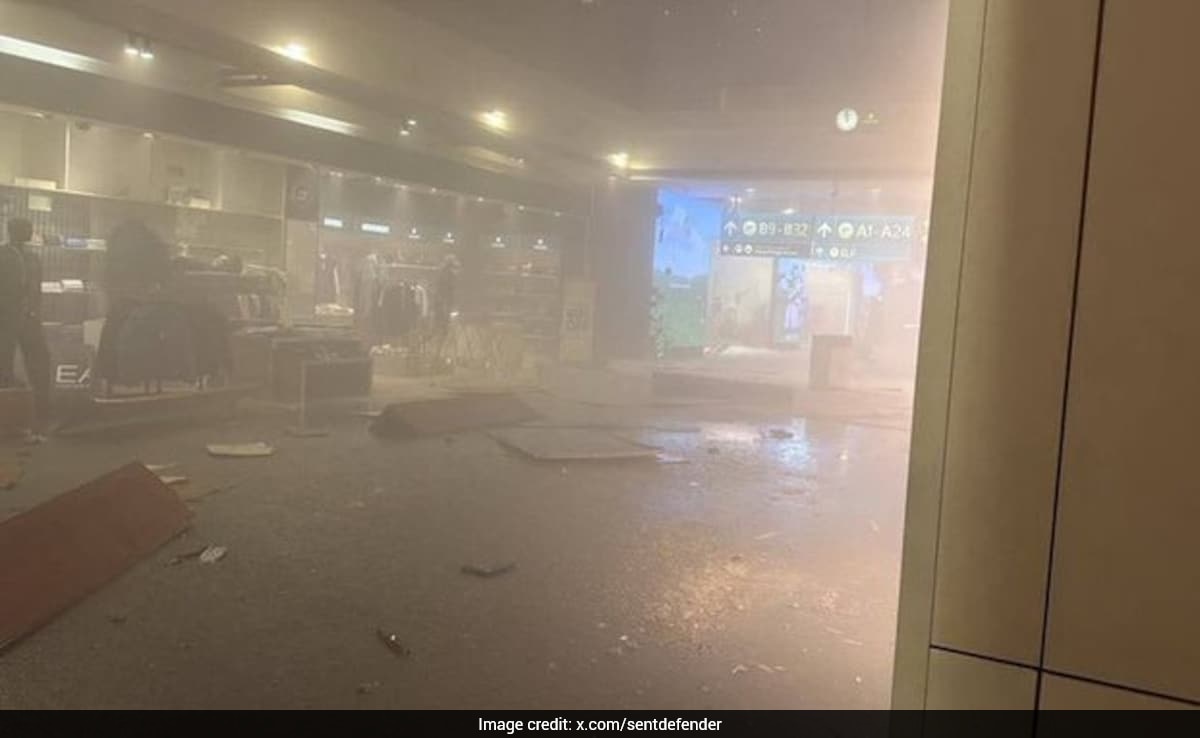
The air in Tehran during the early hours of Monday didn’t just carry the usual scent of exhaust and roasting saffron. It carried a static charge. For those living in the shadow of the Alborz Mountains, the hum of the city is a constant, a low-frequency reassurance of life moving forward. Then, the hum stopped. It was replaced by a series of concussions so deep they weren't heard as much as they were felt in the marrow of one's bones.
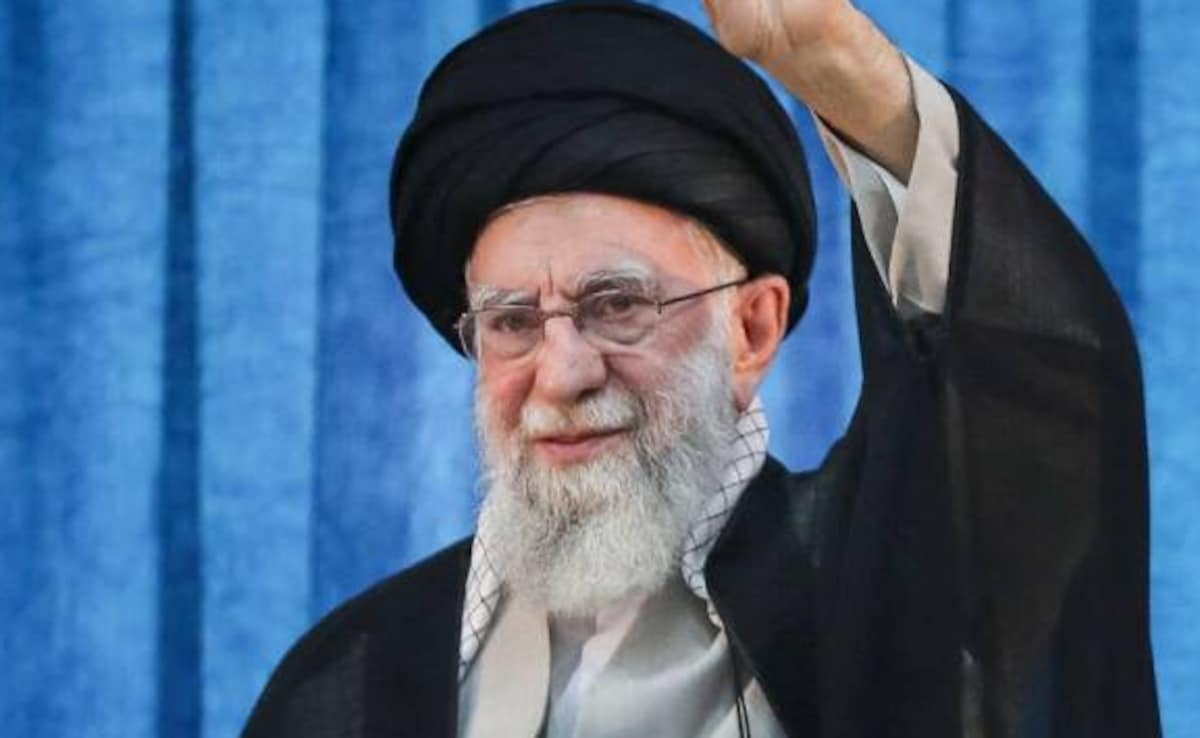
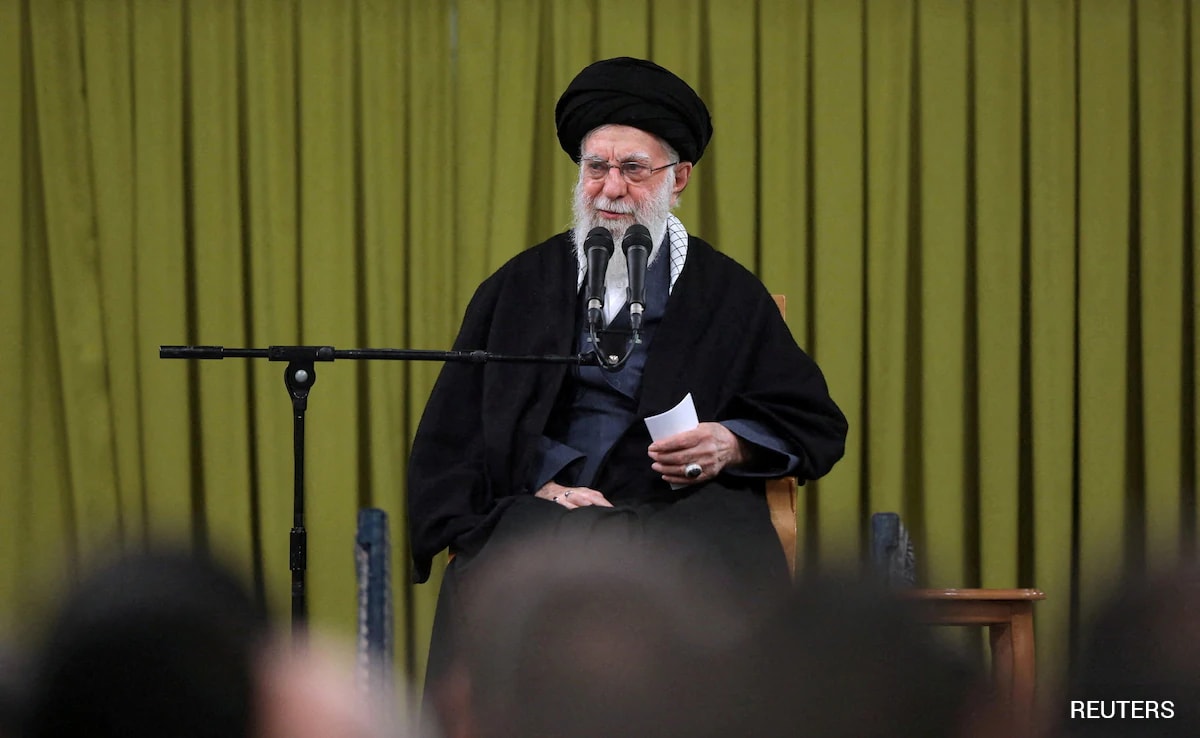
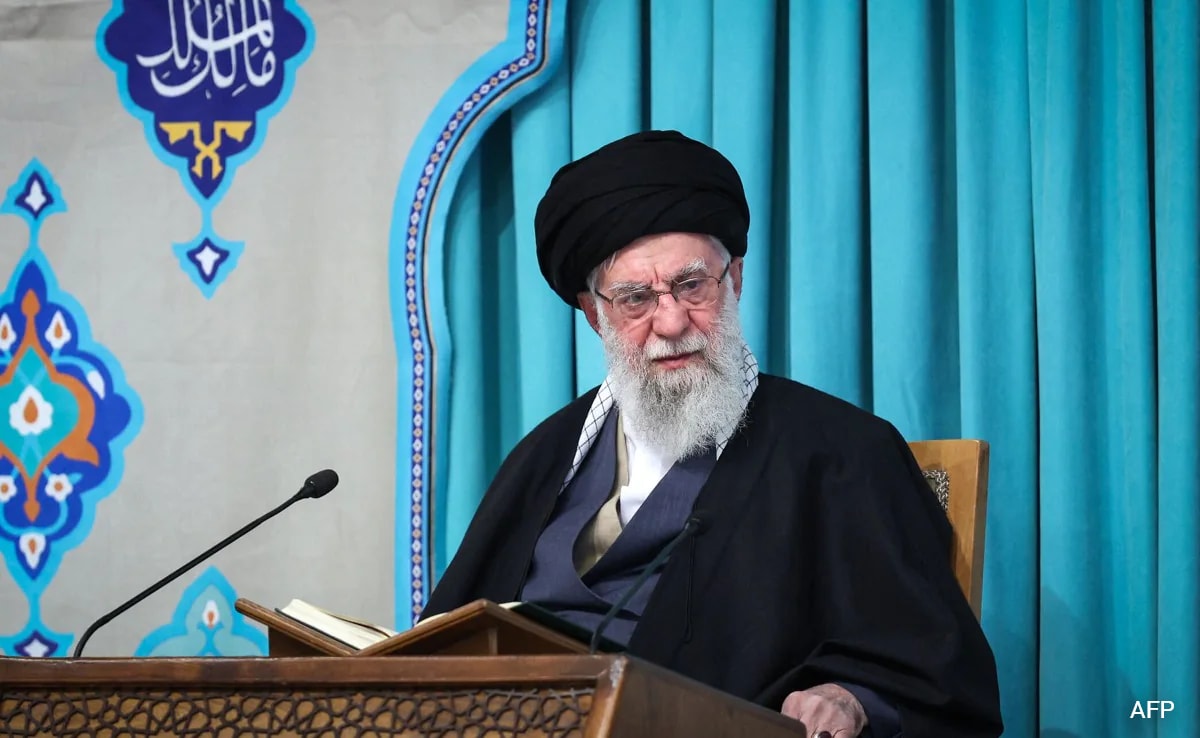
In the high-security district where the Supreme Leader’s compound sits—a fortress within a fortress—the world changed in a heartbeat. Reports confirmed by Iranian officials soon painted a picture that the world is still struggling to process. Ali Khamenei, the central pillar of the Islamic Republic for decades, is dead. He was killed during a precision strike executed by a coordination of Israeli and American forces.
This isn't just a change in leadership. It is a tectonic shift in the gravity of the Middle East.
The Anatomy of a Shadow Strike
Imagine a needle being threaded from a thousand miles away. Modern warfare has moved beyond the carpet-bombing of the previous century. It is now a surgical, terrifyingly quiet endeavor until the final millisecond. The strikes hit the compound with a mathematical cruelty. This was the culmination of years of intelligence gathering, a mosaic of satellite imagery, human assets on the ground, and signal intercepts that mapped the very heartbeat of the Iranian command structure.
The technical reality of the strike is staggering. We are talking about munitions designed to penetrate meters of reinforced concrete before detonating, guided by GPS and inertial navigation systems that account for even the slightest gust of wind. But for the people on the ground—the guards, the aides, the families in the surrounding neighborhoods—it wasn't about technology. It was about the sudden, violent realization that the untouchable had been touched.
The "Compound" was more than a residence. It was a symbol of absolute permanence. In a region where regimes flicker like candles in a storm, Khamenei’s presence was treated as a fundamental law of physics. When the fire cleared, that law had been revoked.
The Invisible Stakes of a Power Vacuum
When a figurehead who has consolidated power for thirty-five years vanishes in an instant, the result isn't just grief or celebration. It is vertigo.
Think of a massive oak tree that has grown so large its roots have cracked the foundation of every house on the block. When that tree is suddenly ripped out, the houses don't just stand there. They begin to lean. They begin to collapse into the hole left behind.
In the immediate aftermath, the "Assembly of Experts"—the body tasked with choosing a successor—finds itself in a room that is suddenly much too large. The invisible stakes here aren't just about who sits in the chair next. They are about whether the chair itself can survive the transition. There is no clear heir. There is only a collection of ambitious men, each watching the other for a sign of weakness.
The Iranian people are currently living in a state of suspended animation. For the young woman in a Tehran cafe who dreams of a life without the morality police, this news is a terrifying spark of hope. For the loyalist whose entire identity is tied to the Revolution, it is the end of the world. Both are staring at the same smoking ruins, but they are seeing two different futures.
A Failure of Defenses or a Triumph of Signal?
How does a man surrounded by the most sophisticated air defense systems in the region—S-300 batteries, jammed frequencies, and layers of human intelligence—get caught in the crosshairs?
The answer likely lies in the silent war of bits and bytes. In the weeks leading up to the strike, there were whispers of massive disruptions in Iranian internal communications. It is a reminder that in 2026, a firewall is often more important than a concrete wall. If the strike was the fist, the cyber-operations were the blindfold.
Consider the logistical nightmare of such an operation. To hit a target in the heart of a sovereign capital requires not just audacity, but a level of certainty that leaves zero room for error. A missed shot wouldn't just be a military failure; it would be a global catastrophe. The fact that the strikes were successful suggests a level of penetration into the Iranian security apparatus that is, frankly, haunting. It implies that someone, somewhere inside those walls, was looking at their watch and waiting for the sky to fall.
The Human Cost of Geopolitics
Behind the maps and the satellite photos are humans. There is a tendency in newsrooms to treat these events like a game of Risk, moving pieces across a board. But there is a specific, cold dread that comes with realizing your country’s leader has been assassinated by a foreign power.
Even for those who loathed the regime, there is a sense of violated sovereignty. It is the feeling of a stranger breaking into your home to kill a family member you didn't even like. The act itself creates a trauma that can radicalize the moderate and silence the brave.
The strikes didn't just kill a man. They killed the status quo.
We often talk about "de-escalation" as if it’s a thermostat we can just turn down. But you cannot de-escalate a vacuum. As the dust settles over the compound, the surrounding nations—Saudi Arabia, Israel, Iraq, the Emirates—are all holding their breath. They are looking at the smoke on the horizon and wondering if the fire will jump the fence.
The Myth of the Untouchable
For decades, the narrative of the Islamic Republic was built on the idea of resistance—the mufsidun fi-l-ard. They projected an image of a fortress that could never be breached. This strike has shattered that mythology more effectively than any sanctions or protest ever could.
When the news broke, social media in the region didn't explode with facts. It exploded with questions. How? Who told them? Where were the missiles? These questions reveal the true damage: the loss of the illusion of control. Once a population, and its enemies, realize that the center cannot hold, the periphery begins to crumble.
The "Compound" is now a graveyard of an era. The physical debris—the rebar, the scorched earth, the shattered glass—is being cleared away, but the psychic debris will remain for generations.
A World Without a Pivot
The Middle East has used Khamenei as a pivot point for nearly half a century. Whether you were fighting him, funding him, or fearing him, you knew where he stood. Now, the pivot is gone.
In the coming days, there will be talk of "transition councils" and "interim leaders." There will be televised funerals and vows of "harsh revenge." But look past the rhetoric. Look at the eyes of the people in the streets of Tehran. You will see a mixture of exhaustion and electricity.
The silence that followed the explosions was the sound of a billion possibilities rushing in at once. Some of those possibilities are beautiful. Most are terrifying. None of them involve going back to the way things were yesterday.
As the sun rises over the smoldering remains of the compound, the shadow it casts is long, reaching far beyond the borders of Iran. It reaches into the halls of power in Washington, the bunkers in Tel Aviv, and the quiet living rooms of people who just want to know if they will be safe tomorrow. The answer, as always, is buried under the rubble, waiting to be found by whoever is brave enough to dig.
The fire has gone out, but the heat remains, radiating from the earth, a reminder that the world can change between the ticking of a clock and the strike of a match.