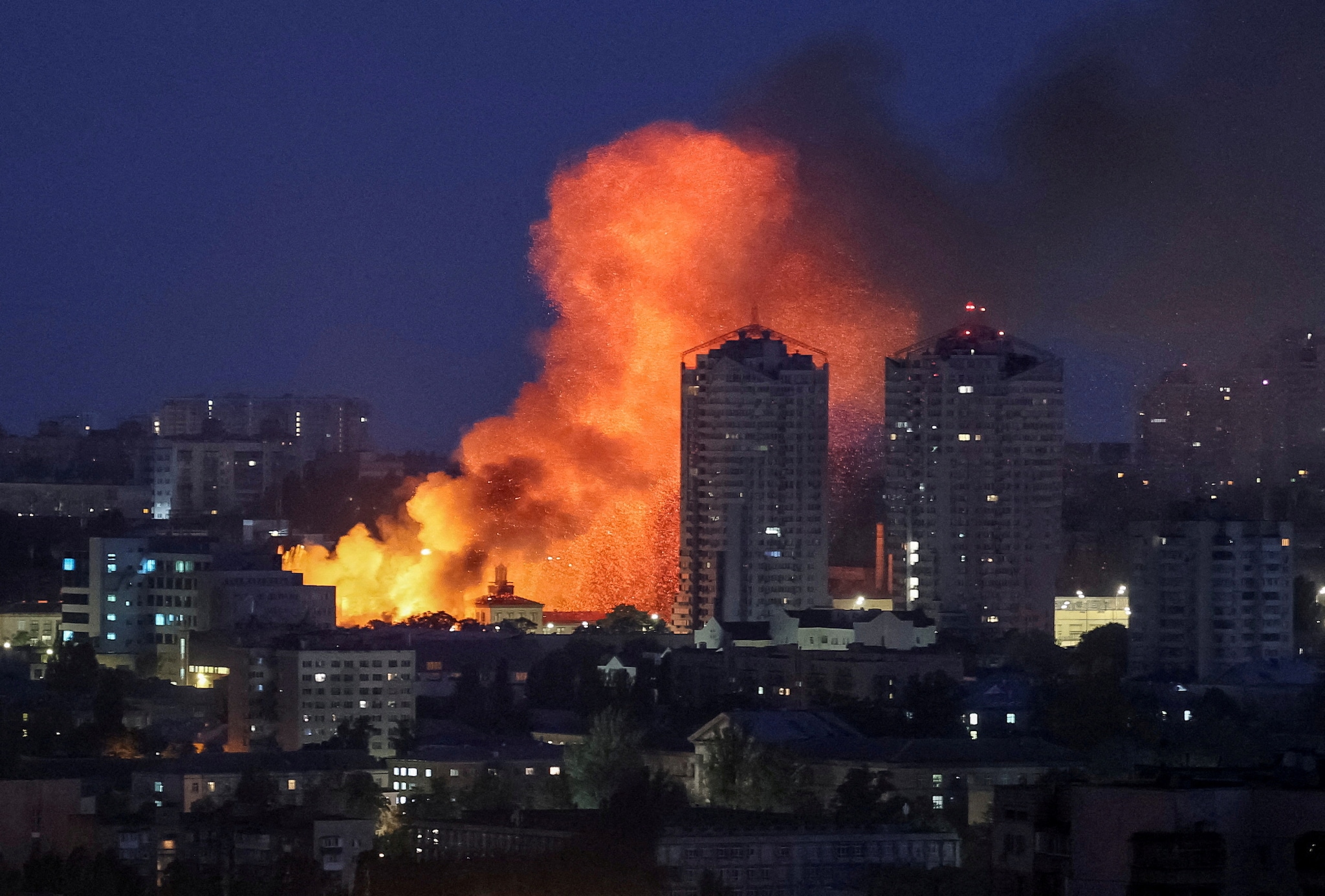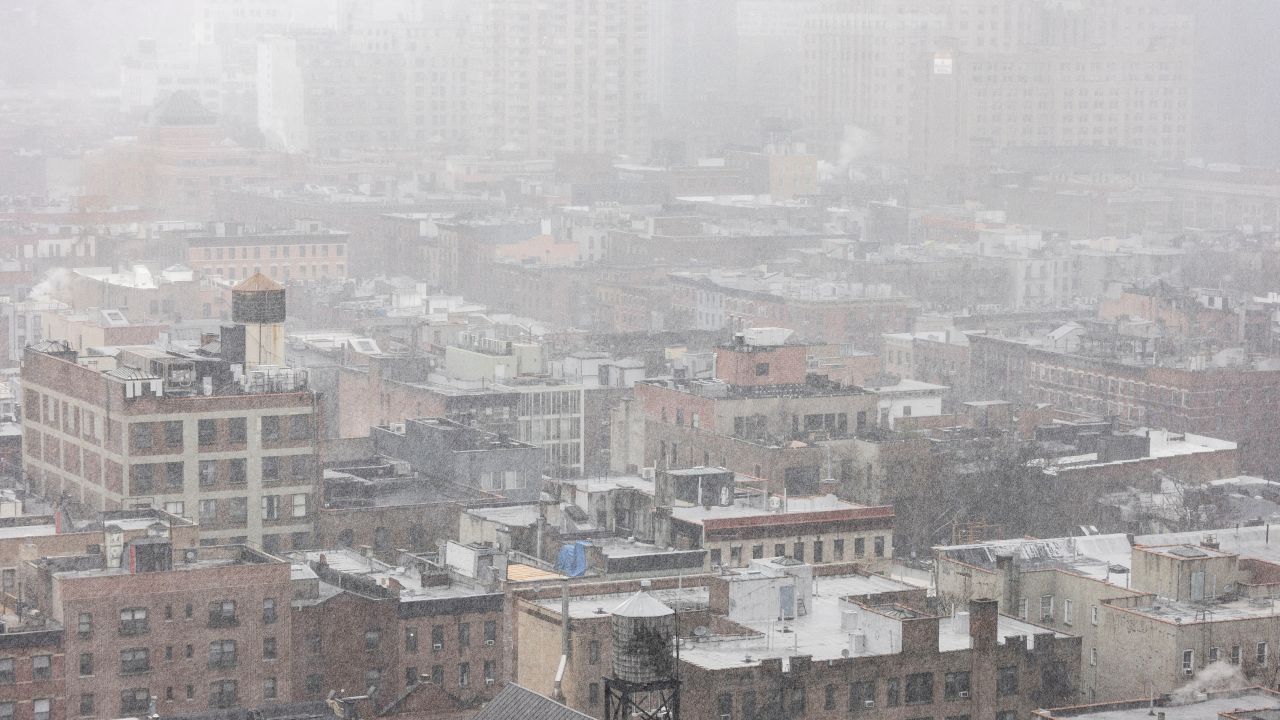
The sirens have finally stopped. When a massive winter storm hits New York City, the transition from organized chaos to an eerie, muffled silence happens faster than you'd think. One minute, you’re fighting for the last gallon of milk at a Bodega in Bushwick; the next, the National Guard is eyeing your sedan because there's a travel ban in effect. It isn’t just a "snow day." It's a total structural shutdown that turns the most expensive real estate on earth into a frozen ghost town.
If you’re looking at the radar and seeing a purple blob swallowing the Tri-State area, you need to understand that NYC doesn't handle snow like Buffalo or Minneapolis. We don't have the space to put it. When ten inches turn into twenty, the city’s primary goal is clear: get everyone off the asphalt so the plows can actually move. Meanwhile, you can read related stories here: The Cold Truth About Russias Crumbling Power Grid.
The Reality of the New York City Blizzard Travel Ban
Mayors don't issue travel bans because they like the optics. They do it because New Yorkers are notoriously stubborn and think their mid-sized SUV can handle a drift that’s three feet deep. It can’t. When a "State of Emergency" is declared, it usually comes with a hard deadline. After that hour, if you’re caught driving a non-essential vehicle, you’re not just a jerk—you’re a legal liability.
The NYPD starts pulling people over. Fines are steep. But the real reason for the ban is the "clog factor." One stalled delivery truck on the BQE can delay salt spreaders for three hours. In a city where every minute of accumulation counts, that delay is the difference between a clear morning commute and a three-day nightmare. You’ll see the streets go from gray slush to a pristine, dangerous white. It’s beautiful until you realize no emergency room is accessible. To understand the full picture, check out the detailed report by NBC News.
Why Flights Get Grounded and Stay Grounded
Don't blame the airlines for being "lazy." JFK, LaGuardia, and Newark are some of the most congested slices of airspace in the world. When visibility drops to near zero and the wind shear starts hitting 50 mph, the math for a safe landing simply disappears.
Thousands of flights are canceled not just because of the snow on the runway, but because the planes are out of position. If the incoming flight from Chicago can't land, your outgoing flight to London doesn't exist. De-icing fluid only works for so long in a true blizzard. Once the accumulation rate hits two inches per hour, the crews can’t keep up. The terminals turn into high-stress campgrounds. People sleep on suitcases. The "priority" lines become meaningless.
If your flight is canceled during a massive NYC storm, stop calling the airline. Use the app. Better yet, look for flights out of Philadelphia or wait forty-eight hours. Trying to get out "as soon as the snow stops" is a rookie move. The backlog takes days to clear.
The Empty Streets Paradox
There is something haunting about seeing Times Square without a single yellow cab. During a major freeze, the subway system—the literal circulatory system of the city—starts to fail. Above-ground lines like the N, Q, and F in Brooklyn and Queens often get suspended because the third rail freezes over.
You’ll see the "snow trains" out there. These are specialized cars with brushes and de-icer, but even they struggle against a nor'easter. When the trains stop and the cars are banned, the city becomes a pedestrian-only zone. People walk in the middle of Broadway. It’s the only time NYC feels like a small village. But don’t let the silence fool you. Underneath that quiet is a massive logistical panic.
- Heating systems fail. Old brownstones aren't built for sustained -10 degree wind chills.
- Food supply chains break. Those "fresh" groceries vanish in twelve hours.
- Emergency response times skyrocket. Fire trucks struggle to turn corners when snow banks are six feet high.
How to Actually Survive the Freeze
Stop overcomplicating your prep. You don’t need twenty loaves of bread. You need a way to stay warm if the power goes out, which happens more often than ConEd likes to admit.
- Hydrate your pipes. Leave your faucets at a tiny drip. A burst pipe in a frozen NYC apartment is a nightmare that will cost you your security deposit and your sanity.
- Charge everything. This includes your backup batteries. If a transformer blows on your block, your phone is your only link to the outside world.
- Check on your neighbors. The elderly guy in 4B isn't going to complain, but he might be freezing.
- Stay off the roads. Seriously. Even if the ban is lifted, the black ice stays.
The city will eventually dig out. It always does. The Department of Sanitation is a beast of an organization, but they are fighting a math problem. There are 6,000 miles of streets in New York. Even with 2,000 plows, that takes time.
Grab your heavy boots and your shovel. If you’re a tenant, remember that your landlord is legally required to keep the building at a certain temperature. If it drops below 68 degrees during the day, start calling 311 immediately. Don't wait until you can see your breath in the living room. The city moves slow in a blizzard, so your reaction time needs to be fast.