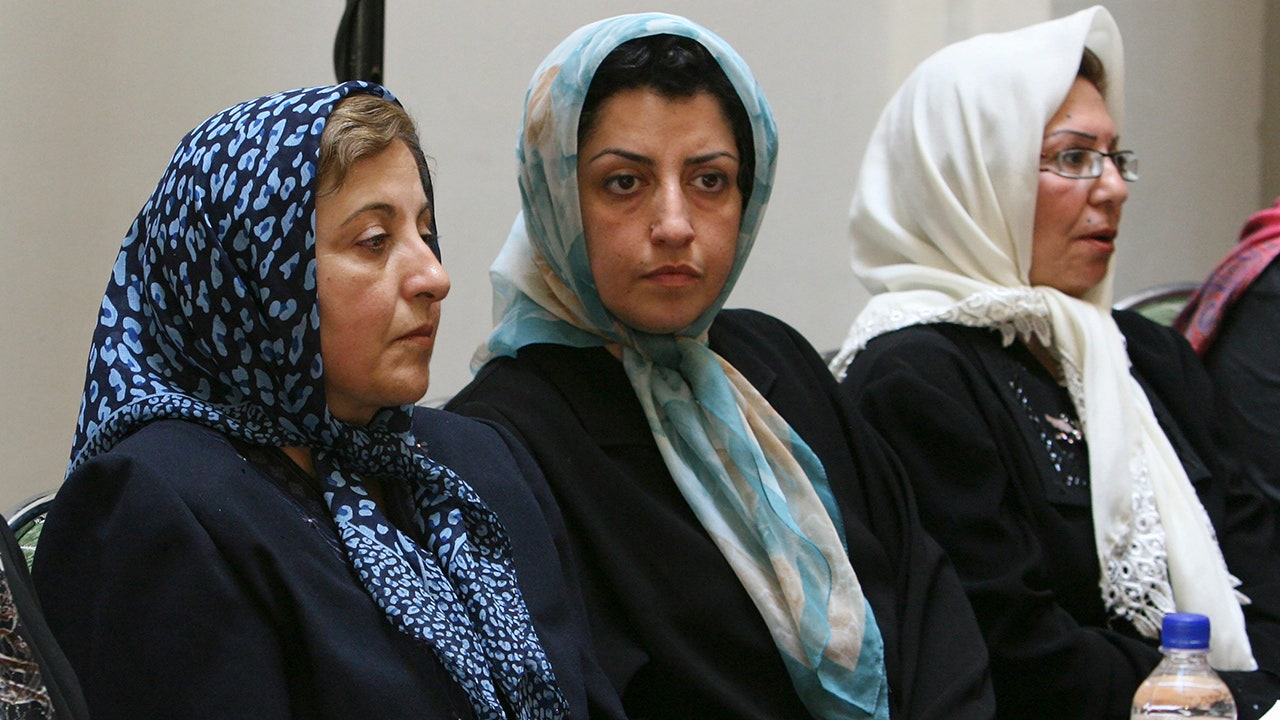
Narges Mohammadi is currently fighting for her life in a hospital bed in Zanjan, and the Iranian government is holding the oxygen mask. This isn't just another headline about a dissident in trouble. It’s a moment that defines whether the international community has any actual backbone when it comes to human rights. Berit Reiss-Andersen, the head of the Norwegian Nobel Committee, didn’t mince words when she said Mohammadi’s life is quite literally in Iran's hands.
If you’ve been following the "Woman, Life, Freedom" movement, you know Mohammadi isn't just a name. She’s the pulse of it. Even from behind the gray walls of Evin Prison, she’s managed to lead, write, and scream for justice. But right now, her body is failing. After a "catastrophic deterioration" in her health—including multiple heart attacks and a collapse that left her unconscious—she’s finally been moved to an intensive care unit.
The Cost of Staying Defiant
Iran’s judiciary system isn't just punishing Mohammadi for what she says; they’re punishing her for refusing to break. People often think Nobel laureates are protected by some invisible shield of global prestige. They aren't. In fact, for the regime in Tehran, the Nobel Peace Prize was an insult that made them dig their heels in deeper.
Since winning the prize in 2023, Mohammadi has faced even more charges. She’s been sentenced to a total of 31 years and 154 lashes across her lifetime. Think about that for a second. That’s more than three decades of a life spent in and out of cells for things like "spreading propaganda" and "collusion against national security."
- 13 arrests throughout her career.
- 5 convictions that have kept her from her children for years.
- Ongoing medical neglect that led to her current critical state.
The most recent escalation happened because she wouldn't stop. Even while on medical furlough in late 2025, she showed up at a funeral for another activist and spoke out. Most people would take the "get out of jail" card and lay low. She didn't. She went right back to work, and the state went right back to arresting her.
What the Nobel Committee is Really Saying
Berit Reiss-Andersen’s statement wasn't just a plea; it was an indictment. By saying Mohammadi’s life is in Iran’s hands, she’s stripping away the excuses. If Mohammadi dies in custody or because of delayed treatment, there’s no "natural causes" narrative that will fly.
The Nobel Committee is essentially calling out the "medical hostage-taking" that happens in Iranian prisons. You see it all the time. A prisoner gets sick, the authorities deny them a specialist, and by the time they’re moved to a hospital, the damage is permanent. Mohammadi suffered a heart attack in March 2026. Did they rush her to a specialist in Tehran? No. They kept her in a provincial hospital in Zanjan, despite her legal team begging for a transfer to better facilities.
Why the Hijab Debate Isn't Just About Clothes
It’s easy to dismiss the mandatory hijab laws as a cultural dispute, but for Mohammadi, it’s the front line of state control. In 2025, she and several other female prisoners went on a hunger strike for three days. Why? Because the guards refused to take her to the hospital for heart surgery unless she wore a hijab.
She chose to risk a heart attack rather than submit to the dress code. That’s the level of commitment we’re talking about. It’s a refusal to acknowledge the state's authority over her body, even when that body is literally failing.
The Global Silence is Deafening
While Mohammadi fights for air, the rest of the world is largely distracted. With conflict bubbling across the Middle East, the plight of individual activists often gets buried in the noise of geopolitics. But ignoring Mohammadi is a mistake. She represents a massive segment of the Iranian population that hasn't given up on the 2022 protests.
If you think the "Woman, Life, Freedom" movement died out, you’re wrong. It just moved into the prisons. Every time Mohammadi sends a smuggled letter or refuses to wear a headscarf during a trial, she’s telling the regime that they haven't won.
What Actually Happens Next
Don’t expect the Iranian government to suddenly have a change of heart because of a press release from Oslo. That’s not how they operate. They view international pressure as a nuisance, not a mandate.
If you want to actually do something, you have to keep the pressure on the governments that still talk to Iran. The only thing the regime cares about is its survival and its leverage. When Mohammadi’s name stays in the headlines, she becomes a more expensive prisoner to keep.
- Demand transparency regarding her current medical status through human rights organizations like Amnesty International.
- Pressure local representatives to raise her case in diplomatic circles.
- Support the Narges Mohammadi Foundation, which is the primary source for verified updates on her health.
Her family hasn't seen her in years. Her children, who live in France, had to accept her Nobel Prize on her behalf because she’s been locked away for so long they barely know her voice. This isn't just about politics; it’s about a family being ripped apart because one woman dared to say "no."
Mohammadi is 54 years old. She has a history of heart issues and has already survived cancer surgery. The clock isn't just ticking; it’s running out. Whether she makes it out of that Zanjan hospital depends entirely on whether the world decides her life is worth more than a footnote in a news cycle.
Iranian Nobel laureate Narges Mohammadi hospitalised
This video provides a direct update from France 24 on Mohammadi's recent hospitalization and the critical state of her health as reported by her family and legal team.
http://googleusercontent.com/youtube_content/1