The United States military’s transition from static monitoring to active escorting of distressed vessels in the Strait of Hormuz signals a breakdown in the unspoken "stability of the status quo" that has governed the Persian Gulf’s littoral waters for decades. While diplomatic channels remain open, the shift in operational posture reveals a fundamental reassessment of the risk-reward calculus regarding Iranian maritime interference. This is not merely a tactical pivot; it is an acknowledgment that the cost of inaction now exceeds the logistical burden of direct protection.
The Mechanics of the Choke Point Constraint
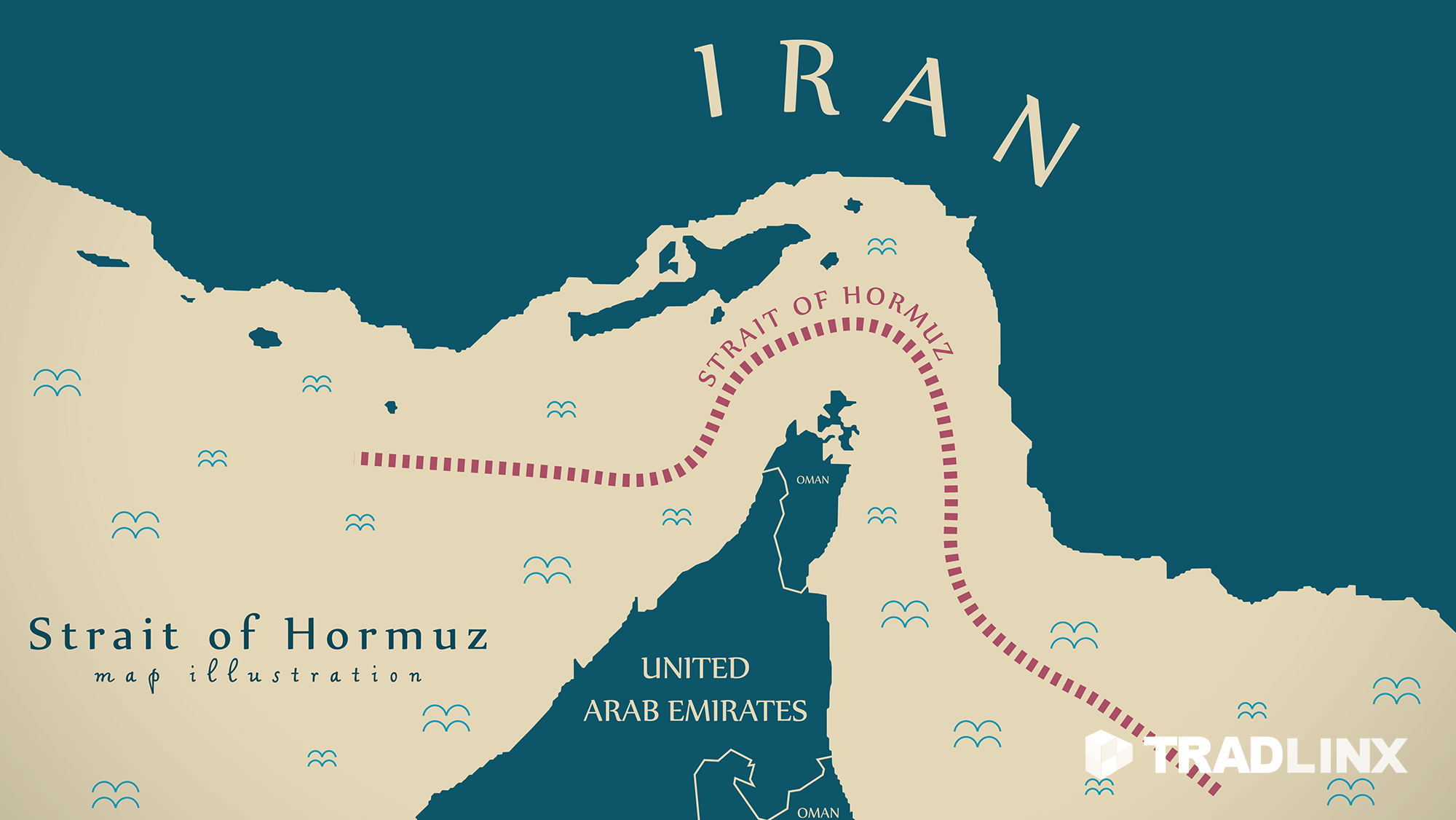
The Strait of Hormuz functions as a physical and economic bottleneck where 21% of the world’s petroleum liquid consumption passes daily. Its geography dictates a rigid operational environment. The shipping lanes, divided into inbound and outbound corridors only two miles wide, are separated by a two-mile buffer zone. This narrowness creates a high-density target environment where speed of response is the primary variable in preventing a seizure. Read more on a related topic: this related article.
The maritime security architecture in this region relies on three distinct layers:
- Surveillance and Early Warning: Utilizing UAVs and satellite telemetry to track Iranian Revolutionary Guard Corps Navy (IRGCN) fast-attack craft as they depart from bases such as Bandar Abbas.
- Proactive Presence: Positioning destroyers and littoral combat ships within a "rapid-intervention radius" of the most vulnerable commercial assets.
- Active Escort (The Current Shift): The physical shadowing of high-value or high-risk vessels to eliminate the "interception window" where a vessel can be boarded before a coalition response arrives.
The Cost Function of Interference
Iranian maritime strategy operates on the principle of asymmetric escalation. By seizing a commercial tanker, the state creates a high-leverage bargaining chip at a relatively low kinetic cost. The US decision to begin escorting stranded or high-risk ships—specifically those that have previously been targeted or are stalled due to mechanical failure—directly attacks the "low cost" variable of this equation. Additional analysis by BBC News explores related perspectives on this issue.
When a ship is "stranded" or stationary, its defensive posture drops to zero. It becomes a static target. The escort protocol transforms a static target into a defended node. For the IRGCN, the risk of a seizure now shifts from a simple boarding exercise to a direct confrontation with a US naval asset. This forces a recalculation in Tehran: is the political value of a seized tanker worth the risk of a kinetic exchange with a guided-missile destroyer?
Quantifying the Escort Burden
Moving from a general patrol to a specific escort mission imposes a significant readiness tax on the US 5th Fleet. The logistical requirements of an escort mission are governed by three primary constraints:
- Temporal Displacement: For every hour a destroyer spends shadowing a slow-moving commercial tanker (often traveling at 12–15 knots), it is unavailable for broader regional surveillance or multi-national exercises.
- Asset Dilution: The number of available hulls in the region is finite. If the frequency of "positive discussions" does not result in a measurable decrease in harassment, the US will be forced to either increase its regional hull count or prioritize which vessels receive protection based on a proprietary risk-rating system (e.g., flag state, cargo type, and owner's history).
- Rules of Engagement (ROE) Clarity: The escort mission requires tighter ROE. A shadow escort must define the "exclusion zone" around the commercial ship. Any fast-attack craft entering this zone must be met with a graduated response—from bridge-to-bridge warnings to non-lethal deterrents, and finally, defensive fire.
Strategic Ambiguity vs. Operational Certainty
The "positive discussions" mentioned in official briefings often serve as a diplomatic dampener to prevent market panic. However, market volatility is more sensitive to operational reality than diplomatic rhetoric. The insurance industry—specifically the Lloyd’s Market Association Joint War Committee—views the Strait of Hormuz as a high-risk area.
The introduction of US escorts serves to stabilize "War Risk" premiums, which spike whenever a vessel is seized. By providing a physical guarantee of passage, the US is effectively subsidizing the security of global energy markets. This creates a moral hazard: if the US Navy provides free security, ship owners may have less incentive to invest in private maritime security teams (PMSCs) or hardened ship defenses.
The Bottleneck of Port Facilities and Mechanical Failure
A critical vulnerability often overlooked in general news reporting is the correlation between mechanical failure and seizure risk. A "stranded" ship is often one experiencing engine trouble or awaiting parts. In the high-heat, high-salinity environment of the Gulf, mechanical wear is accelerated.
The second-order effect of the US escort policy is the creation of "safe zones" for repairs. If a ship loses propulsion in the outbound lane, it can no longer defend its position via maneuver. The US Navy’s role here is to provide a perimeter, essentially turning a tactical liability into a temporary fortress until tugs or repair crews can reach the vessel.
Analyzing the Signal-to-Noise Ratio in Diplomatic Channels
While the US military prepares for physical defense, the State Department maintains a parallel track of communication. These "positive discussions" are likely focused on the release of previously seized vessels or the establishment of a "hotline" to prevent miscalculations. However, the efficacy of these talks is hampered by the dual-track nature of the Iranian military, where the regular Navy (Artesh) and the IRGCN often operate under different command philosophies.
The IRGCN is more ideologically driven and frequently acts as a disruptor to diplomatic progress. Therefore, the US escort protocol must be viewed as a hedge against the IRGCN’s potential to act independently of Tehran’s official diplomatic stance.
The Logistical Threshold for Escalation
The transition to escorting represents the final step before the "convoy system" utilized during the 1980s "Tanker War." We are currently in a "Targeted Escort" phase. The move to a full convoy system—where multiple tankers are grouped and moved as a single unit—would signal a total collapse of diplomatic deterrence.
Current satellite imagery and AIS (Automatic Identification System) data suggest that the US is utilizing a "hub-and-spoke" model of protection. Rather than staying with one ship for the entire transit, naval assets are positioned at high-risk transit points (the spokes) to meet ships as they enter the most dangerous segments of the Strait.
Identifying the Break Point
The sustainability of this escort mission depends on the "Harassment Rate" variable. If the IRGCN maintains its current frequency of approaches, the US can manage the escort burden with existing regional assets. If the rate of interference increases, the US faces a binary choice:
- De-escalate: Reducing the escort footprint to avoid friction, thereby accepting a higher risk of commercial seizures.
- Surge: Deploying an additional Carrier Strike Group (CSG) or Amphibious Ready Group (ARG) to provide the necessary hull density for a permanent escort presence.
The current strategy suggests a preference for the latter, albeit in a measured capacity. By integrating "stranded" ship protection into its standard operating procedure, the 5th Fleet is removing the easiest targets from the board. This forces the adversary to either escalate to a much riskier level of provocation or concede that the "seizure-for-leverage" tactic has reached a point of diminishing returns.
The move is a calculated play to restore the balance of power by narrowing the operational space available for non-state-style tactics by a state actor. The strategic success of this initiative will be measured not by the number of successful escorts, but by the eventual absence of the need for them. Until that data point is reached, the maritime corridor remains a zone of high-stakes theater where physical presence is the only reliable currency.