The cancellation of high-profile military exhibitions across the Russian capital reveals a profound structural vulnerability at the heart of the Kremlin's security apparatus. When organizers abruptly pulled the plug on marquee patriotic spectacles like the historic Spasskaya Tower International Military Music Festival on Red Square, citing circumstances beyond their control, it signaled an undeniable reality. Russian President Vladimir Putin can no longer guarantee the absolute safety of his nation's political epicenter against long-range uncrewed aerial systems.
For years, the architecture of modern Russian statecraft relied on an unbroken projection of domestic invulnerability. The ordinary citizen was encouraged to view the state as an impenetrable fortress, shielded by multi-layered air defense networks and an omnipresent security state. Yet, the steady escalation of deep-penetration drone incursions has methodically dismantled that illusion. Airspace closures, intercepted projectiles raining down near vital transport hubs, and the silent retreat from traditional public pageantry demonstrate that aerial asymmetry has breached the capital's perimeter. Discover more on a related subject: this related article.
The Mechanics of Aerial Disruption
Strategic airspace management under persistent asymmetric threat profiles involves complex compromises. When a modern capital city faces recurring low-altitude airborne incursions, military planners confront an impossible economic and operational imbalance. Firing multi-million-dollar surface-to-air interceptor missiles at low-cost commercial composites packed with explosives drains strategic stockpiles at an unsustainable rate.
Furthermore, activating electronic warfare countermeasures to blind incoming navigation systems introduces severe collateral friction. Civilian GPS jamming disrupts commercial aviation, grounds logistics networks, and paralyzes municipal infrastructure. Moscow airports face repeated suspensions not merely from falling debris, but from the defensive electronic shield itself. The collateral cost of protecting the skies over Red Square begins to outweigh the value of the events held beneath them. Additional journalism by NBC News explores related views on this issue.
This dynamic exposes the core dilemma facing modern territorial defense. Traditional military parades rely on concentration. Bringing thousands of troops, heavy armored hardware, and foreign dignitaries into a single tight geographical footprint creates a high-value target profile. In an era where commercial guidance systems and inexpensive airframes enable long-range precision strikes, massed formations transform from displays of strength into severe security liabilities.
The Erosion of State Mythology
Political legitimacy in centralized authoritarian systems depends heavily on unbroken narrative control. Public spectacles are not mere celebrations; they function as core pillars of regime reinforcement. When these events are quietly postponed or scaled back to empty plazas, the psychological contract between the ruler and the ruled fractures.
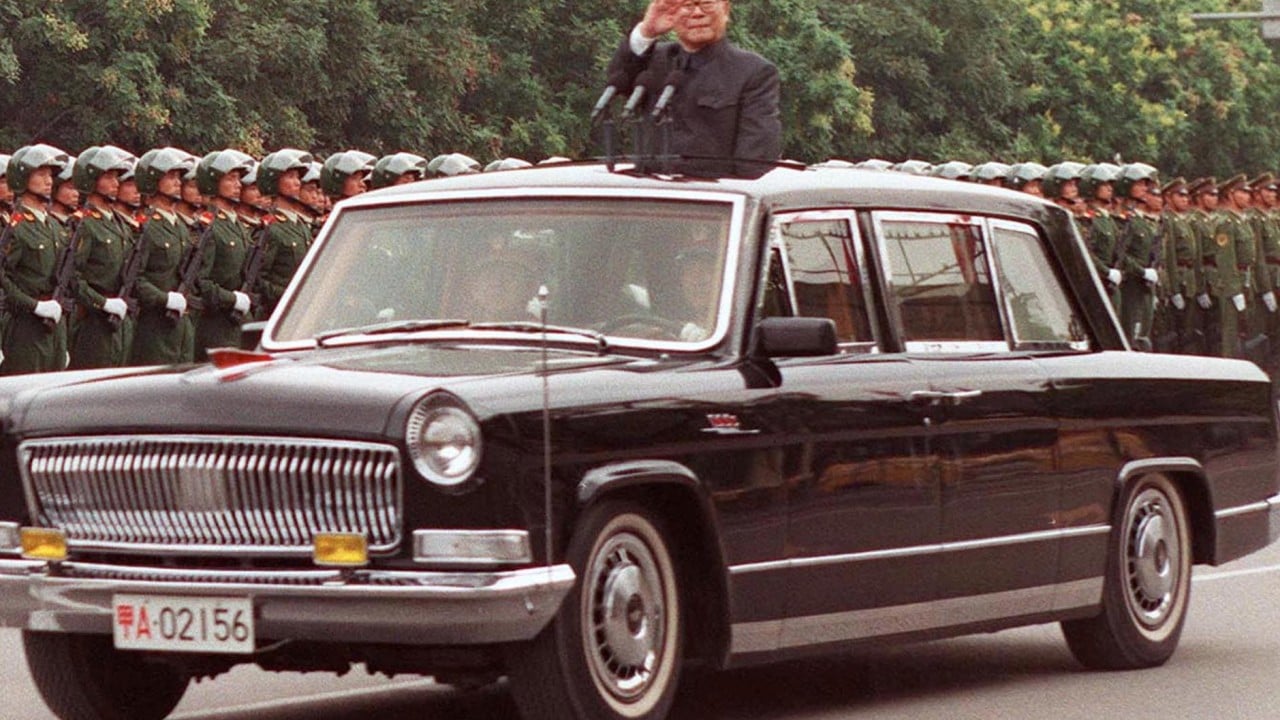
Consider the historical weight embedded in Moscow's seasonal displays. From the iconic May commemorations to late-summer military music festivals, these gatherings serve to link contemporary geopolitical ambitions directly to past triumphs. Stripping the hardware from the processions or canceling them outright forces the domestic audience to confront the limitations of state power.
An illustrative hypothetical scenario clarifies this psychological shift. If a municipal government announces that a major national holiday will proceed without its central attraction due to unforeseen safety protocols, citizens immediately recognize the gap between official rhetoric and operational capability. The absence of the parade speaks louder than any televised broadcast. It transforms anxiety from a private emotion into a shared, undeniable public fact.
Strategic Implications for the Security State
The tactical adaptation of long-range aerial strikes has forced a radical redistribution of Russian air defense assets. Systems originally stationed along primary frontlines or reserved for strategic nuclear deterrence now face pressure to redeploy toward major urban centers. Protecting industrial hubs, oil terminals, and political command nodes requires an immense concentration of mobile anti-drone teams, electronic countermeasures, and kinetic interceptors.
Every battery pulled back to shield the capital leaves operational gaps elsewhere along an expansive national territory. This creates a strategic feedback loop. The more resources the Kremlin dedicates to securing Moscow against persistent harassment, the more exposed peripheral logistics and regional infrastructure become.
Observers tracking the trajectory of modern conflict note that the psychological impact of these disruptions far outweighs their immediate physical damage. A single burning oil terminal or a canceled national festival disrupts the rhythm of governance far more effectively than distant skirmishes. The capability to project power into the adversary's capital alters the political calculus of leadership, forcing defensive posture adjustments that drain both financial capital and institutional prestige.
The steady retreat from public pageantry highlights a turning point in how territorial security is maintained under fire. As long as asymmetric aerial capabilities continue to evolve faster than traditional defense economics can adapt, the physical and symbolic vulnerability of centralized power centers will remain a defining vulnerability of the conflict
The Impact of Drone Strikes on Moscow's Security
This video provides an investigative breakdown of how recent security threats and targeted aerial attacks forced high-level political shifts and public event cancellations in Russia.