When people picture a modern military conflict across the Taiwan Strait, they usually imagine fighter jets screaming across radar screens, missile batteries firing from coastal launchers, and grey-hulled warships locking horns in the open sea. But military planners know that wars aren't just won with high explosives and titanium hardware. They are won with logistics, supply chains, and cold hard cash.
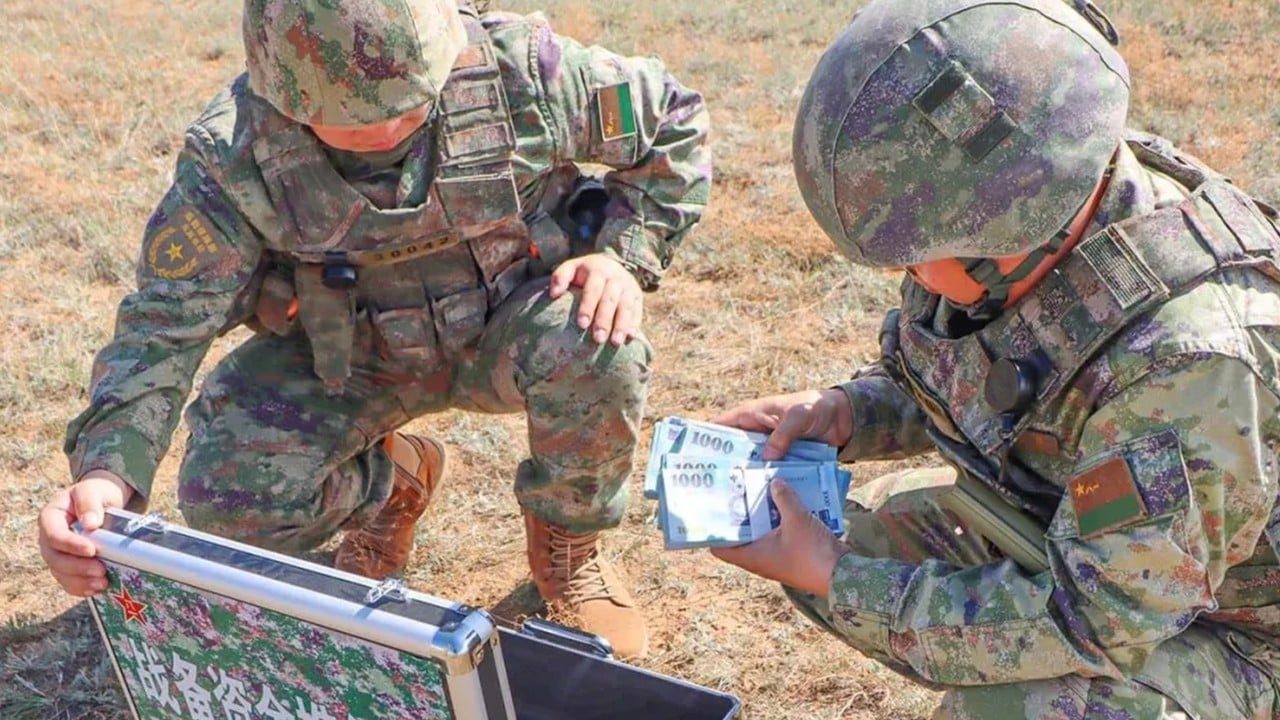
Recent exercises by the Chinese People's Liberation Army revealed a chillingly pragmatic facet of modern contingency planning: practicing how to move actual physical wealth into contested environments. State media reports highlighted drills featuring drones delivering camouflage cases packed with gold bars and bundles of New Taiwan and US dollars. It sounds like a scene pulled straight from a geopolitical thriller, but it signals a massive shift in how military strategists think about financial resilience during a blockade.
The Logistics of Cash Under Fire
Why would an advanced military force bother dropping physical currency and precious metals during a live-fire exercise? Digital payment networks are fragile. Modern economies rely almost entirely on fiber-optic cables, localized server farms, and uninterrupted power grids. The moment an armed conflict starts, digital infrastructure is usually the first casualty.
If electronic banking collapses, consumer trust evaporates instantly. Troops need to pay local assets, secure operational supplies in occupied or contested zones, and maintain basic economic functionality where fiat currencies fail. Gold and foreign reserve currencies like US dollars remain the ultimate liquid assets when electronic ledgers go dark.
Think about what happens when a banking network goes offline for even forty-eight hours. Panic spreads faster than any wildfire. By testing drone-delivered cash containers, the PLA is working out the operational kinks of tactical asset distribution. They aren't just practicing how to break a territory; they are figuring out how to manage the financial vacuum left in the wake of a blockade.
Moving Past Traditional Military Thinking
Most defense analysts spend their time counting fighter jets, tracking ballistic missile silos, and calculating naval tonnage. They miss the mundane, unglamorous side of warfare. Money is ammunition. Securing local monetary systems or injecting alternative tender into a combat zone is a classic strategy of control, updated with twenty-first-century delivery systems like heavy-lift autonomous drones.
Drones change the risk equation entirely. Instead of risking manned transport helicopters or vulnerable ground convoys in hostile urban canyons, military logistically sound minds can program unmanned aerial vehicles to drop secure financial payloads precisely where needed. This operational flexibility shows an evolution in joint-theater planning that goes far beyond standard amphibious assault scenarios.
You have to look at the broader picture. When state actors start practicing wartime financial support with physical bullion and hard currency, they are preparing for a total systems disruption. They expect digital infrastructure to fail. They expect traditional banking channels to freeze. And they are building the workaround right now, out in the open.
Keep an eye on how logistics evolve from here. The real friction points of future conflicts won't just be fought over territory; they'll be fought over the tools required to keep society functioning when the screens go black.
The real message behind PLA drills around Taiwan
This video provides an in-depth discussion and expert analysis regarding the strategic messaging and operational scope behind the recent PLA joint exercises around Taiwan.