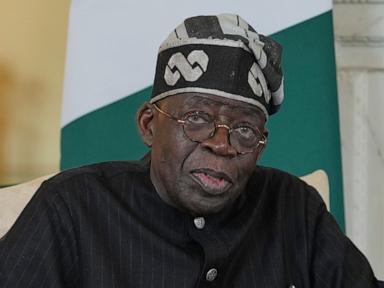
The fault lines running between Dhaka and New Delhi have widened into a diplomatic chasm following a public media appearance orchestrated from the heart of the Indian capital by ousted former Prime Minister Sheikh Hasina.
Bangladesh erupted in official fury after Hasina—condemned and sentenced in absentia by domestic tribunals for crimes against humanity—addressed journalists in a live virtual interaction hosted by the Foreign Correspondents' Club of South Asia. Timed precisely to coincide with the second anniversary of the July Revolution that shattered her fifteen-year authoritarian grip, the event served as a high-stakes provocation. Dhaka's Ministry of Foreign Affairs issued an immediate, blistering rebuke, terming the platform an explicit affront to national sovereignty and a direct sabotage of ongoing efforts to reset bilateral ties.
Geopolitics rarely operates in a vacuum. To understand why a press conference in New Delhi can instantly paralyze neighborly relations, one must examine the heavy baggage of regional hegemony, porous borders, and unresolved legal reckonings.
The Anatomy of a Diplomatic Collision
When a deposed leader finds sanctuary across an international border, the host nation walks a diplomatic tightrope. India chose to host Hasina following her dramatic helicopter evacuation in August 2024, a move dictated by historical loyalty and strategic calculation. Yet, granting her access to a public communication channel inside New Delhi crosses an unwritten line of diplomatic prudence.
Dhaka had warned Indian counterparts ahead of the scheduled audio-only broadcast. Those warnings were dismissed under the technical defense that private entities—such as press clubs—operate independently of direct government censorship.
This distinction falls flat in South Asian diplomacy.
To the interim administration in Bangladesh, allowing a convicted mass murderer to broadcast political vitriol on the anniversary of a bloody national uprising is not an exercise in free speech. It is viewed as an active endorsement, or at minimum, a negligent sheltering of a hostile political actor plotting a counter-offensive.
Rewriting History Under Protection
During her address, Hasina discarded any conciliatory tone. She rejected United Nations documentation detailing the systemic slaughter of up to fourteen hundred citizens during the 2024 crackdown, painting the student-led democratic revolt instead as an invisible, organized conspiracy aimed at dismantling the state.
Denying documented atrocities while sitting comfortably in a neighboring capital strikes raw nerves among a populace that buried its dead little more than two years ago. Families of the victims, alongside student leaders who spearheaded the July movement, viewed the broadcast as psychological warfare.
The strategy behind Hasina's sudden return to the public eye is transparent. By utilizing Indian soil to project her voice back into domestic Bangladeshi households, she aims to maintain political relevance for a fractured Awami League network. She seeks to challenge the legitimacy of the interim government, test the resolve of regional security analysts, and signal to her remaining loyalists that her political chapter is far from closed.
Yet this gamble carries steep collateral damage.
The Extradition Impasse
At the core of the friction lies the dormant 2013 bilateral extradition treaty. Dhaka has formally requested Hasina's return to face execution and imprisonment rulings handed down by domestic courts. New Delhi has stonewalled these requests, creating an intractable legal deadlock.
Refusing to extradite a fallen authoritarian ally is one layer of bilateral strain; allowing that same ally to launch political counter-attacks against the current sovereign government is an entirely different escalation.
India faces a complex strategic dilemma. Clinging to past political investments in a single leader risks alienating an entire generation of Bangladeshis who now view New Delhi not as a democratic partner, but as a protector of fallen autocrats. Public sentiment in Bangladesh has shifted decisively, hardening against external interference.
By allowing Hasina a megaphone, the architects of India's neighborhood policy have miscalculated the cost. They have galvanized anti-Indian sentiment in Dhaka, handing populist factions a potent narrative regarding national dignity and regional sovereignty.
The path forward requires more than routine diplomatic communiques expressing mutual desire for stability. As long as New Delhi serves as a staging ground for a fugitive leader's political resurrection, the bilateral relationship will remain hostage to the ghosts of 2024, sliding deeper into permanent mistrust