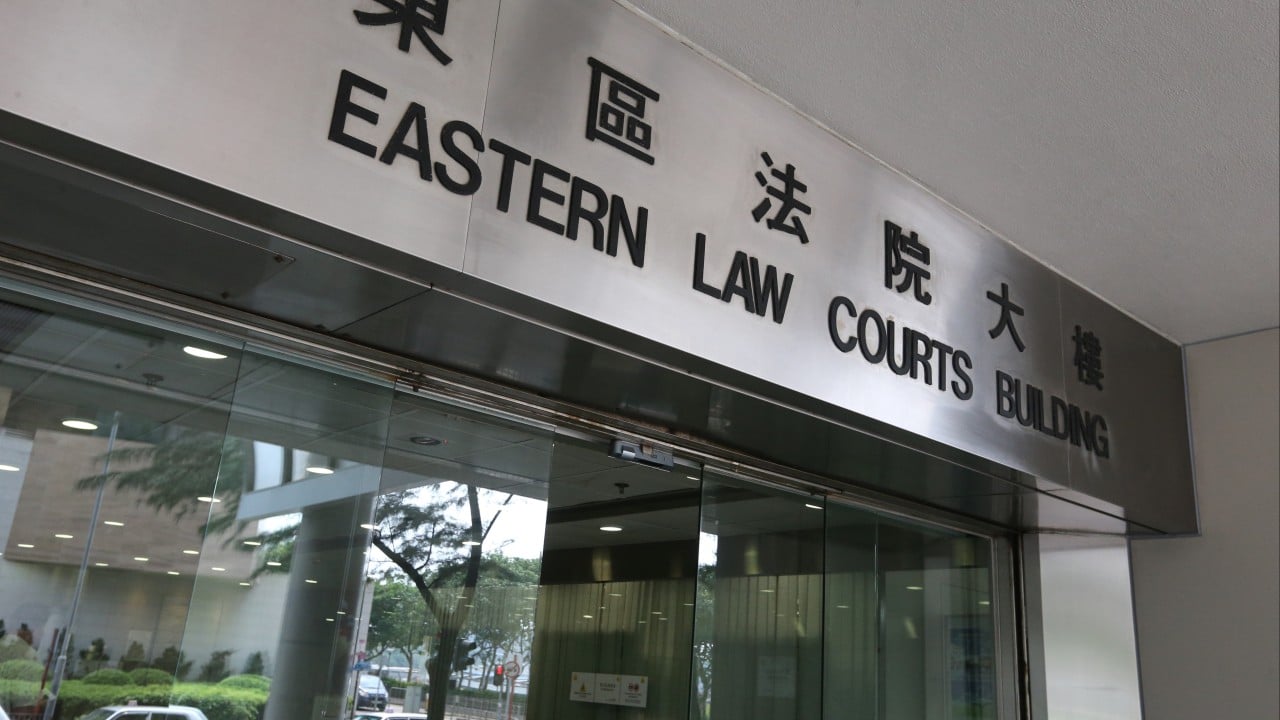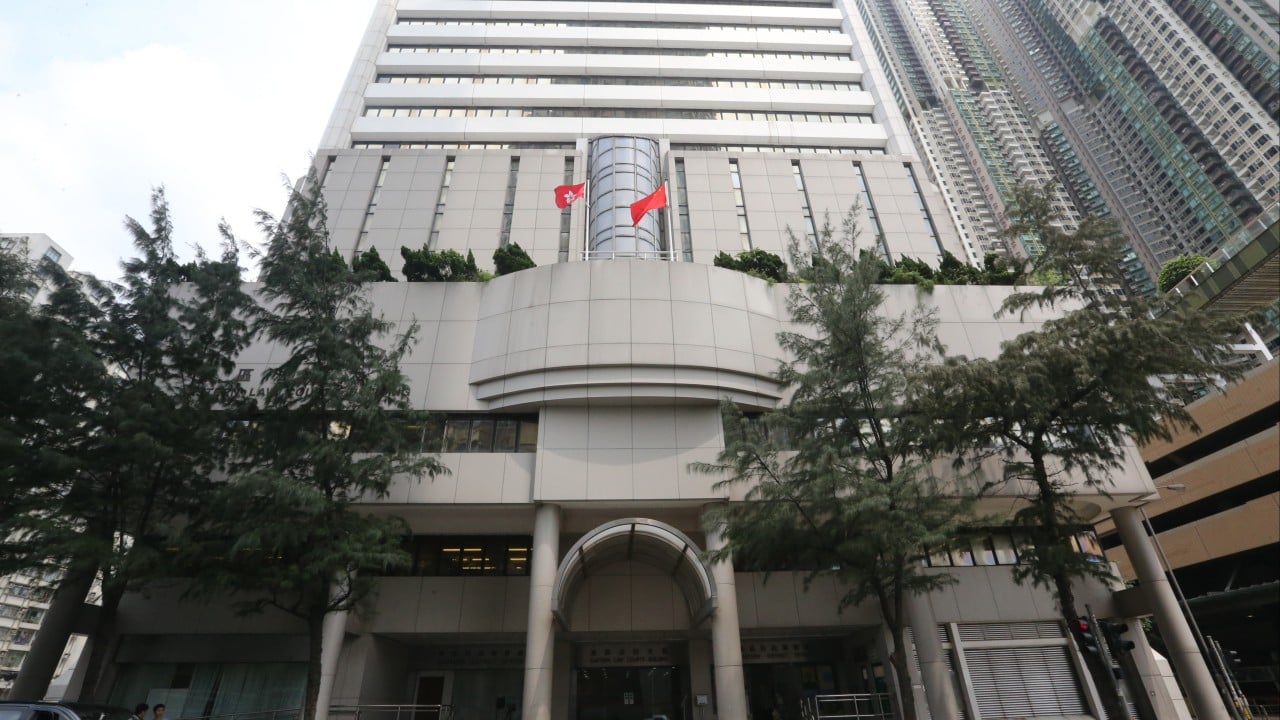
The headlines are screaming about a "bomb plot" and "terrorism charges" in Hong Kong like it is a script from a low-budget political thriller. Two people, a fresh charge under the United Nations (Anti-Terrorism Measures) Ordinance, and a narrative of imminent chaos. The media is eating it up. They are focusing on the drama of the courtroom and the severity of the life sentence hanging over the defendants.
They are missing the real story. Discover more on a similar issue: this related article.
This is not about a sudden surge in domestic insurgency. It is about the absolute failure of traditional surveillance in a post-digital age and the legal gymnastics required to keep up with decentralized, uncoordinated dissent. If you think these charges represent a "tightening net," you are looking at the wrong net.
The mainstream narrative suggests that the authorities have uncovered a sophisticated cell. Logic suggests something much more pathetic: a desperate attempt to use the highest possible legal stakes to compensate for a lack of actionable intelligence. When you cannot stop a thought, you prosecute the intent with the loudest possible vocabulary. More analysis by NPR delves into comparable perspectives on the subject.
The Myth of the Sophisticated Plot
Most "terror plots" reported in the current Hong Kong climate lack the one thing required for actual terrorism: scale. We are seeing cases built on small quantities of chemicals, 3D-printed components, and Telegram chat logs. To call this a coordinated threat to the "safety of the city" is a stretch that would make a yoga instructor wince.
I have spent years analyzing how security apparatuses react to asymmetric threats. Real terror cells—the kind that actually keep intelligence officers awake—do not leave breadcrumb trails on public-facing encrypted apps. They do not rely on hobbyist chemistry.
What the police are calling a "bomb plot" is often the digital equivalent of a backyard science project fueled by political frustration. By labeling it "terrorism," the state elevates a localized criminal act into a grand existential threat. This isn't just about punishment; it is about narrative control. If it is "terrorism," then any level of digital intrusion, any amount of pre-trial detention, and any suspension of typical judicial norms becomes justifiable to the public.
The Forensic Gap Strategy
Why the fresh terrorism charges now? Because the previous charges under the National Security Law (NSL) or sedition acts are becoming administratively "routine."
To maintain the same level of psychological deterrence, the prosecution has to escalate the terminology. The UN Anti-Terrorism Ordinance is a heavy hammer. It was designed for global networks with massive funding and military-grade hardware. Applying it to local cases involving small-scale hardware suggests a massive overreach.
- The Intent Trap: Under these laws, the prosecution does not need to prove the defendants could have carried out an attack, only that they intended to.
- The Definition Drift: What constitutes a "terrorist act" is being stretched to include almost any form of disruption that targets the government's sense of order.
I’ve seen legal teams struggle when the state moves the goalposts mid-game. You prepare a defense against "possession of explosive substances," which is a forensic battle over chemistry and storage. Then, suddenly, you are fighting a "terrorism" charge, which is a battle over the defendant's entire worldview and digital history. It is a pivot designed to drain the defense's resources and moralize the prosecution.
The Telegram Delusion
Let’s talk about the evidence. Almost every one of these "plots" hinges on Telegram. The "lazy consensus" among pundits is that the police are geniuses at cracking encryption. They aren't.
They are geniuses at exploiting human stupidity.
The "sophisticated" surveillance state usually just finds a phone that wasn't wiped or a participant who flipped. These "bomb plots" are rarely dismantled through high-level signals intelligence. They are dismantled because someone used a "secret" chat to brag.
The tragedy—or the comedy, depending on your level of cynicism—is that the authorities then frame this as a victory for high-tech national security. It isn't. It’s a victory for the basic police work of catching people who are bad at being criminals. By labeling these people "terrorists," the police are actually giving them too much credit. It creates an illusion of a formidable enemy to justify a formidable budget.
The Cost of the Labels
There is a downside to this contrarian view that even I have to acknowledge: the human cost is real, regardless of whether the "plot" was viable or not.
When you charge someone with terrorism, you aren't just putting them in jail; you are erasing their ability to ever return to a normal life. You are creating a class of political untouchables. This serves a specific function in Hong Kong's current ecosystem: it forces the moderate population to distance themselves.
If the charge was "possession of illegal materials," people might still offer some level of sympathy. Once the "T-word" is used, the social circle evaporates. The state is using language as a chemical agent to dissolve social solidarity.
Stop Asking if They Are Guilty
The question "Are they guilty?" is the wrong question. In the current judicial environment, the verdict is often a foregone conclusion based on the broadness of the statutes.
The right question is: Why does the state need these people to be terrorists?
The answer is simple. A government that rules through a "security-first" mandate requires a constant supply of threats. If there are no real bombs, the potential for a bomb must be treated with the same weight as a nuclear strike.
If you are following these cases, stop looking at the "fresh charges" as new evidence. Look at them as a strategic update to a failing software. The old charges weren't generating enough fear, or they were proving too difficult to manage under the existing legal scrutiny. The terrorism charge is the "v2.0" update designed to patch the holes in the prosecution's narrative.
The Reality of "Chemicals and Components"
The media reports often list items found during raids: circuit boards, wires, household chemicals.
In a vacuum, these are the contents of a cluttered garage. In a "terrorism" trial, they are the harbingers of doom. We are witnessing the criminalization of potential.
Imagine a scenario where a person has a 3D printer and a PDF of a manual. Ten years ago, that was a curious hobbyist. Today, in Hong Kong, that is a "bomb-making factory" waiting to happen. This shift in perception is the real victory of the security apparatus. They have successfully convinced the public—and perhaps themselves—that the distance between a disgruntled citizen and a terrorist is zero.
The Irony of the UN Ordinance
The use of the United Nations (Anti-Terrorism Measures) Ordinance is particularly rich. An ordinance born out of global cooperation to stop groups like Al-Qaeda is being used to prosecute locals for internal political grievances.
It is a masterful bit of "legal laundering." By using an ordinance tied to international standards, the Hong Kong government can claim they are merely following global best practices. It’s a shield against international criticism. "We are just using the UN-sanctioned tools," they say, while using those tools to dismantle local dissent.
The Industrialization of Prosecution
We are no longer seeing individual cases; we are seeing a production line.
- Identify a group in a chat room.
- Wait for them to buy something—anything—that can be construed as a component.
- Raid, arrest, and lead with the most sensational charge possible.
- Leaked photos of the "cache" to friendly media outlets.
- Escalate to terrorism charges when the news cycle dips.
This is a business model. The "security industry" in Hong Kong is the only growth sector currently booming. It requires "terrorists" to justify the sprawling offices, the new hardware, and the legislative overrides.
If these two individuals were actually a threat to the city, they would have been handled quietly and efficiently months ago. The fact that this is being dragged into the spotlight with "fresh charges" proves that the spectacle is more important than the security.
Stop reading the charge sheet as a list of crimes. Read it as a marketing brochure for a state that has decided its only path forward is through the perpetual management of fear. The "bomb plot" isn't the story. The "bomb plot" is the tool used to ensure you never ask what happened to the city that didn't need a terrorism ordinance to keep the peace.
Don't look at the defendants. Look at the judge's bench and the prosecutor's table. That is where the real explosion of power is happening.
Stop pretending this is about safety. It's about the math of control, and right now, the variables are being rigged.
Go look at the list of "seized items" again. Then look at your own kitchen. In the eyes of a desperate state, we’re all just one "intent" away from a life sentence.