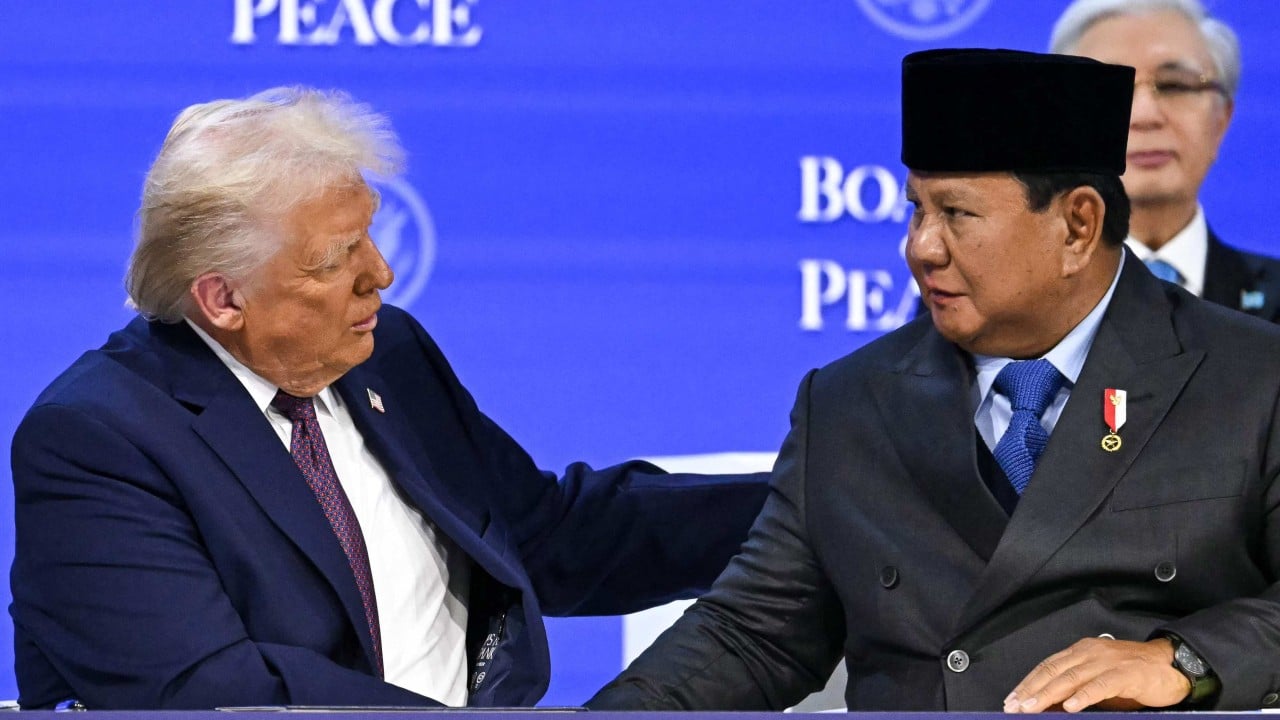
Prabowo Subianto just saved Indonesia a billion dollars, and the international "peace industrial complex" is having a collective meltdown. The headlines are painting this as a snub or a retreat from the global stage. They are wrong. This isn't a retreat; it’s a refusal to pay a protection racket fee for a seat at a table that serves nothing but overpriced appetizers and toothless resolutions.
The "Board of Peace"—that nebulous, high-society collective of nations and NGOs—expected Jakarta to cough up $1 billion for the privilege of "membership." They marketed it as a "strategic investment in global stability." In reality, it’s a vanity project for Western bureaucrats who want emerging economies to subsidize their social calendars. Prabowo’s refusal to pay isn't an isolationist whim. It is a cold, calculated assertion of sovereignty that more developing nations should emulate.
The Billion Dollar Membership Trap
Let’s look at the "lazy consensus" first. Traditional foreign policy analysts argue that by refusing to pay, Indonesia loses its "voice" in global peacekeeping. They claim that $1 billion is a small price for "geopolitical influence."
That is absolute nonsense. I have spent years watching middle-market nations bleed capital into international organizations only to be ignored when the actual G7 or G20 decisions are made. Influence isn't bought through membership fees; it’s built through trade leverage, domestic manufacturing, and military readiness.
When you pay a billion dollars to a body like the Board of Peace, you aren't buying influence. You are buying a subscription to a newsletter. You are paying for the right to send a diplomat to a room where they will be told what the "global standards" are—standards usually written by countries that don't share Indonesia's demographic or economic challenges.
The ROI of Sovereignty
Imagine a scenario where Indonesia actually paid the money. That $1 billion leaves the treasury in Jakarta and enters the "Peace Fund." Where does it go?
- Administrative Overhead: 30% vanishes into "operational costs" (fancy offices in Geneva or New York).
- Consultancy Fees: 20% goes to Western "experts" who fly in to tell Indonesians how to manage their own borders.
- Symbolic Projects: The rest is spent on "awareness campaigns" that result in zero tangible security improvements.
Now, look at what Prabowo can do with that same $1 billion domestically.
- Downstream Industry: Investing in domestic nickel processing to dominate the EV battery supply chain.
- Infrastructure: Hard-linking the outer islands to reduce logistics costs.
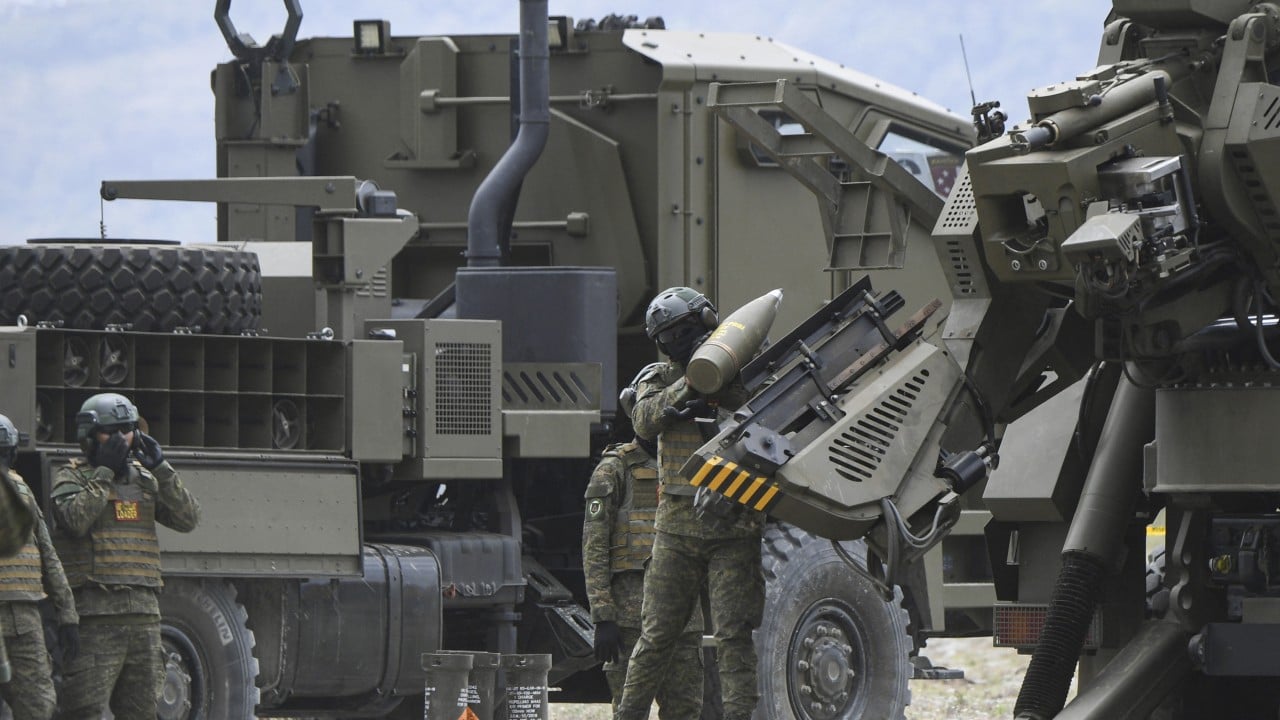
- Defense Modernization: Buying actual hardware that deters aggression, rather than paying for "peace workshops."
The "Board of Peace" advocates operate on the flawed premise that peace is a product you buy from a central vendor. It isn't. Peace is the byproduct of a balance of power. By keeping that billion at home, Indonesia increases its internal strength, which does more for regional stability than any signed certificate from a multi-lateral board ever could.
The Myth of Global Governance
We are currently witnessing the slow death of the post-WWII institutional order. Organizations that once had teeth are now just debating clubs. The Board of Peace is the latest iteration of this zombie bureaucracy. Its proponents argue that "multilateralism is the only way forward."
This is a lie. The world is moving toward multi-polarity, not multilateralism. In a multi-polar world, bilateral deals—country to country—are where the real power lies. If Indonesia wants to secure its borders or mediate a regional conflict, it doesn't need a "Board" permission slip. It needs a strong relationship with its neighbors in ASEAN and a military that command respect.
The critics say Indonesia is "turning its back on the world." In reality, Indonesia is turning its face toward its own people. For a developing nation, "prestige" is a luxury good. You don't buy luxury goods when you still have millions to lift into the middle class.
The Hypocrisy of "Fees"
Why is the entry fee $1 billion? Who set that price? These figures are often arbitrary, scaled to what the organization thinks they can squeeze out of a "rising star" economy. It’s a tax on ambition.
The Board of Peace targets nations like Indonesia because they know these countries are desperate for "validation" on the global stage. They use the language of "responsibility" and "global citizenship" to guilt-trip leaders into signing checks. Prabowo, with his military background, sees through the flowery language. He knows a bad deal when he sees one. He understands that in the theater of international relations, if you are at the table and you’re paying for everyone's lunch, you aren't a guest—you’re the mark.
Strategic Autonomy is the New Gold Standard
This move is a signal to the rest of the Global South. It says: "We are no longer paying for the privilege of being lectured."
For decades, the standard playbook for an emerging power was:
- Grow the economy.
- Join every international body available.
- Adopt Western-defined "best practices."
- Pay the dues.
Prabowo is rewriting the playbook. The new strategy is Strategic Autonomy.
- Don't join organizations that offer no tangible benefit.
- Don't pay fees that could be used for domestic industrialization.
- Keep your capital. Build your own strength. Let the "global community" come to you because they need your resources, not because you paid for a membership card.
Why the "Experts" are Scared
The reason the foreign policy establishment is so loud in its condemnation is simple: Contagion. If Indonesia—the largest economy in Southeast Asia—proves that it can thrive while ignoring these vanity boards, other nations will follow. Nigeria, Brazil, and Vietnam might start asking why they are paying millions to organizations that offer nothing but "policy frameworks." If the money stops flowing from the emerging world, the "Peace Industrial Complex" collapses.
They need Indonesia’s billion more than Indonesia needs their approval.
The "People Also Ask" Reality Check
Does this make Indonesia less safe?
No. Safety comes from a well-equipped TNI (Indonesian National Armed Forces) and robust trade ties that make conflict too expensive for neighbors. A "Board of Peace" membership hasn't stopped a single modern conflict.
Is Prabowo being a populist?
Even if he is, it’s the right move. Using taxpayer money to fund a foreign-led NGO is a betrayal of the public trust when that money could be spent on schools, roads, or energy security.
Will this hurt foreign investment?
Investors don't care about "Board of Peace" memberships. They care about rule of law, infrastructure, and market access. In fact, seeing a leader prioritize domestic fiscal responsibility over international vanity projects is a buy signal, not a sell signal.
The Brutal Truth About International "Clout"
Clout isn't a badge you wear. It’s the ability to say "no" and have the world still show up at your door the next day.
By refusing to pay the $1 billion, Indonesia has exerted more real power than if they had joined the board and sat silently in the back of the room for a decade. They have signaled that they know their worth. They have signaled that their capital is reserved for Indonesian interests, not for the maintenance of a failing global bureaucracy.
The era of "pay-to-play" diplomacy is over for Jakarta. The "Board of Peace" can keep its seat. Indonesia will keep its billion, build its refineries, and wait for the world to realize that the center of gravity has shifted.
Stop asking if Indonesia can afford to leave the table. Ask if the table can afford to lose Indonesia.