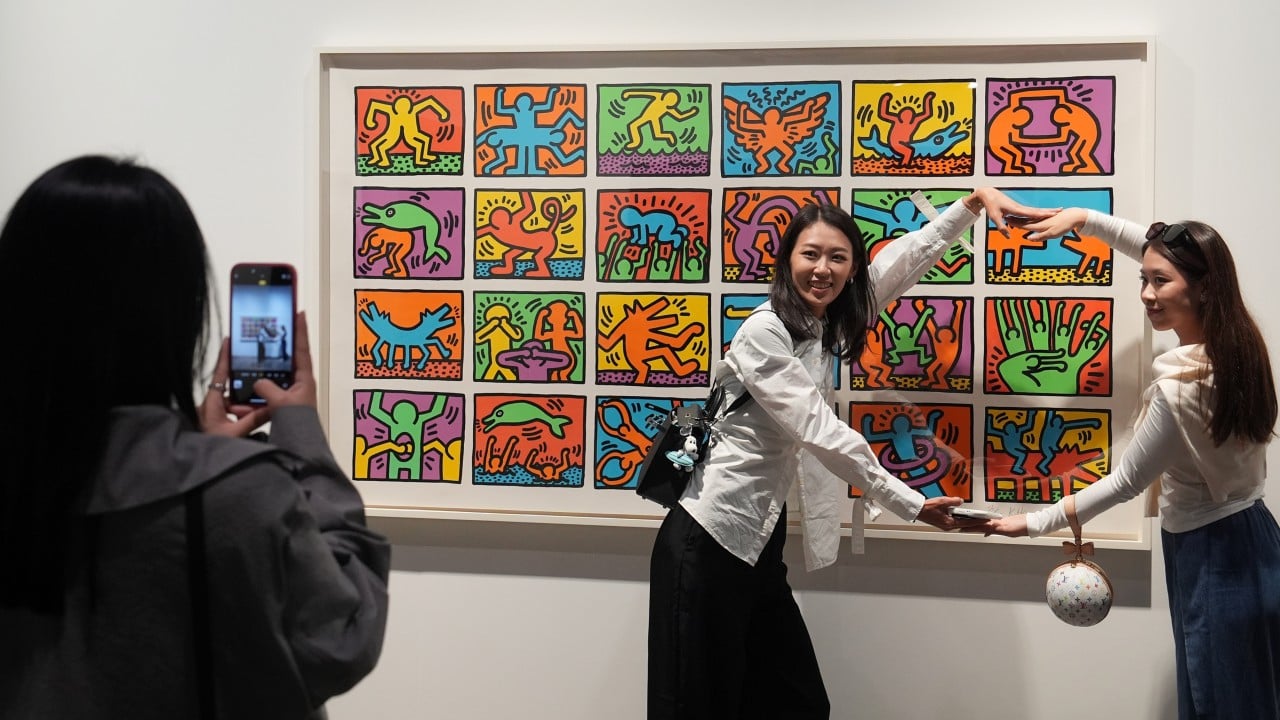
Hong Kong is currently a neon-lit contradiction. While headlines across the globe focus on escalating Middle East conflicts and the logistical nightmare of Red Sea shipping disruptions, the city is doubling down on its identity as a global cultural hub. It's not just "business as usual." It's a calculated, high-stakes attempt to prove that the international art market can operate independently of geopolitical tremors. If you thought the "Art March" festivities would quiet down because of global instability, you haven't been paying attention to how badly Hong Kong needs this win.
The sheer volume of events is staggering. We aren't just talking about Art Basel and Art Central. We're looking at a city-wide takeover involving the M+ Museum, the Palace Museum, and dozens of satellite galleries in Wong Chuk Hang and Central. The reality is that the art world doesn't stop for war, even when the shipping containers carrying the multi-million dollar canvases have to take the long way around the Cape of Good Hope.
The logistics of high value art in a fractured world
Shipping a Picasso isn't like ordering something off Amazon. It requires climate-controlled environments, specialized security, and precise timing. The current maritime instability in the Middle East has sent insurance premiums through the roof. Most people assume this would lead to empty walls at the Hong Kong Convention and Exhibition Centre. They're wrong.
Wealthy collectors and major galleries planned for this months ago. I've spoken with logistics coordinators who shifted to air freight weeks earlier than usual to bypass sea route risks. It's expensive. It's a headache. But in the high-end art world, the cost of missing Art Basel Hong Kong is higher than the cost of a chartered cargo plane. The city serves as the primary gateway to the Mainland Chinese market, which remains the ultimate prize for Western galleries despite the cooling economy.
The resilience of Art March shows a shift in how we view "safe havens." Hong Kong is positioning itself as a place where the movement of culture remains fluid even when the movement of commodities is stalled. It's a bold play. The city is currently navigating its own complex political transition, yet it's using these massive installations—like the giant "TeamLab" eggs on the harbor—to signal a return to normalcy.
Why the Middle East conflict matters to the Asian market
You might wonder why a conflict thousands of miles away impacts a gallery opening in West Kowloon. It’s about the flow of capital. The Middle East has become a massive player in the art market over the last decade, with Qatar and the UAE spending billions on acquisitions. When tensions rise there, the "center of gravity" for liquidity often shifts.
Hong Kong is trying to capture that wandering capital. While some European fairs have seen a dip in attendance due to proximity to regional conflicts and economic stagnation, Hong Kong is leaning into its "East-meets-West" cliché with renewed vigor. The goal is to make the city indispensable. If you want to sell to the new generation of Asian billionaires, you have to be here in March. Period.
Breaking down the Art March highlights
The scale of this year's events feels different. It’s more aggressive.
- Art Basel Hong Kong: The undisputed heavyweight. This year features 242 galleries from 40 countries. That’s a massive jump from the "recovery years" following the pandemic.
- Art Central: Usually the "younger sibling" to Basel, this year it moved back to Central Harbourfront. The focus here is on edgy, emerging talent from the Asia-Pacific region.
- ComplexCon: For the first time, this massive street culture festival landed in Hong Kong. It brought a completely different demographic—younger, hype-beast focused, and high-spending.
- M+ Museum: The "Apichatpong Weerasethakul" and "Madame Song" exhibitions are drawing crowds that aren't just there for the parties. They're there for the prestige.
This isn't just about looking at pretty pictures. It's about urban branding. The Hong Kong government is throwing serious money at these events through the Mega Arts and Cultural Events Fund. They know that a successful Art March counters the "dying city" narrative that has circulated in international media lately.
The invisible hurdles no one talks about
It's not all champagne and smooth sailing. Beyond the shipping delays, there's the looming shadow of the newly enacted Article 23 legislation. Critics warned it would stifle creativity. Supporters say it won't affect the commercial art world.
The truth lies somewhere in the middle. Most of the art you see at the big fairs is commercially "safe." You'll see plenty of abstract expressionism, blue-chip sculpture, and "safe" contemporary works. You won't see much that challenges the local political status quo. That’s the trade-off. Hong Kong is cementing its status as a commercial art hub, but the days of it being a platform for radical political expression are largely in the rearview mirror.
Collectors don't seem to mind. Money is quiet. As long as the transactions are smooth and the logistics hold up, the market will continue to thrive. The "disruptions" from the Middle East are seen as tactical challenges, not existential threats to the trade itself.
How to navigate the madness
If you're actually on the ground, don't just stick to the main fairs. The real energy is in the industrial lofts.
Go to Wong Chuk Hang. The galleries there, like de Sarthe or Rossi & Rossi, offer a much more intimate experience than the crowded aisles of the HKCEC. You get to actually talk to the gallerists without being shoved by a tour group.
Also, check out the public art. The "Continuous" installation by TeamLab at Tamar Park is a spectacle, but it's also a lesson in crowd management. You need to book a slot. Don't just show up and expect to get in.
The city is packed. Hotels are at capacity. Restaurants in Wan Chai and Central are booked out weeks in advance. It’s a return to the frantic, high-octane Hong Kong that many feared was gone forever. The global conflict might be causing ripples in the supply chain, but it hasn't dampened the appetite for luxury goods and high-priced aesthetics.
What this means for the rest of 2026
The success of Art March is a leading indicator for the rest of the year. If the sales numbers from Basel are strong, expect a ripple effect through the local economy. It signals to investors that Hong Kong is still the place to do business in Asia.
Don't wait for the official press releases to tell you how it went. Look at the secondary market. Look at the auction results from Sotheby’s and Christie’s later this season. That’s where the real story is.
If you're looking to get involved in the Hong Kong art scene, now is the time to start tracking specific Asian artists who are gaining traction. Names like Nara and Kusama are the staples, but the real growth is in Southeast Asian contemporary art. That's where the smart money is moving.
Make your way down to the harborfront before the month ends. See the scale of the installations for yourself. It’s the best way to understand why this city refuses to be sidelined by global chaos. Wear comfortable shoes and bring a portable charger. You're going to need it.