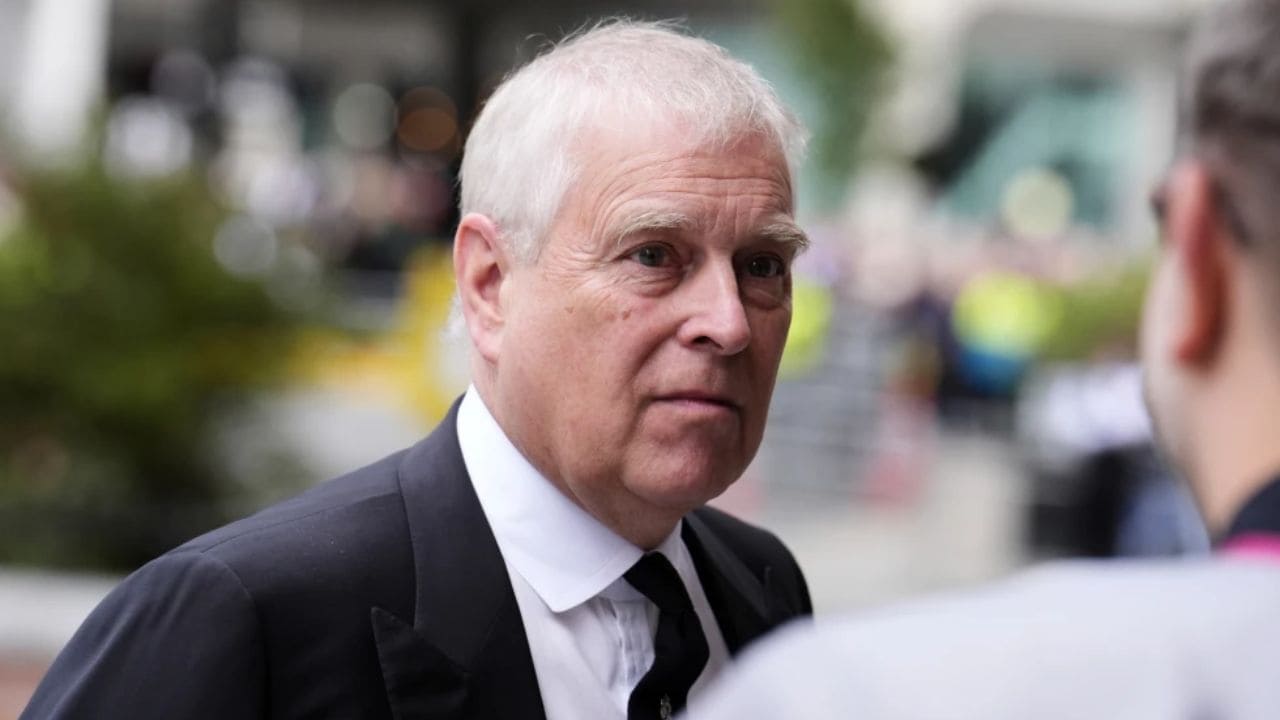
British lawmakers have finally stripped away the protective layer of bureaucracy shielding the Duke of York, voting to approve the release of long-hidden government files detailing his controversial international role. This isn't just a standard records request. It is a calculated strike against the tradition of "royal silence" that has historically buried embarrassing state secrets for decades. By forcing the hand of the Cabinet Office, Parliament is signaling that the era of treating the monarchy as an untouchable extension of the state is effectively over.
The documents in question center on Prince Andrew’s decade-long tenure as a special representative for international trade and investment. While the public knew of his frequent-flyer diplomacy, the inner workings of his office—and the specific nature of his interactions with foreign regimes—remained locked behind the 1958 Public Records Act. Normally, sensitive royal correspondence is kept under wraps for at least 20 years, often longer. This vote bypasses that waiting period, suggesting that the information contained within is too vital to the public interest to remain obscured.
Why the Palace Can No Longer Hide
The push for transparency was led by a cross-party coalition of MPs who argued that the Duke’s activities were funded by the taxpayer and therefore subject to the same scrutiny as any cabinet minister. For years, the government used a "neither confirm nor deny" policy regarding the existence of specific briefings. That wall has crumbled. The decision to release these files reveals a growing rift between the executive branch and a Parliament increasingly unwilling to tolerate the "men in grey suits" who manage the royal image.
There is a technical mechanism at play here that most observers miss. The Cabinet Office didn't just decide to be helpful. They were backed into a corner by a series of Freedom of Information appeals that reached a tipping point. When the lawmakers stepped in, they weren't just asking for papers; they were asserting parliamentary sovereignty over royal prerogative. It is a power move that has been brewing since the Duke’s disastrous television interview years ago, which turned him from a minor liability into a central threat to the institution's survival.
The Trade Envoy Years Under the Microscope
To understand the weight of these documents, one must look at the specific period of 2001 to 2011. This was the window when Prince Andrew was the face of British business abroad. Critics dubbed him "Air Miles Andy," but the reality was far grittier. He was frequently dispatched to regions where the line between state business and private wealth was non-existent.
The files are expected to detail his movements in Kazakhstan, Libya, and Azerbaijan. In these territories, the Duke wasn't just shaking hands; he was acting as a bridge for British defense contractors and energy giants. The investigative trail suggests the documents will show:
- Internal warnings from diplomats who felt the Duke's personal associations were compromising British foreign policy.
- The exact cost of security details for non-official visits that were later retroactively categorized as "trade missions."
- Minutes from meetings where the Duke allegedly bypassed standard diplomatic channels to communicate directly with autocratic leaders.
The sheer volume of correspondence is staggering. We are talking about thousands of pages of memos, cables, and handwritten notes that provide a granular look at how the monarchy was used as a tool for "soft power" that often looked suspiciously like hard lobbying.
The Epstein Shadow and the Paper Trail
While the release focuses on trade, the specter of Jeffrey Epstein looms over every page. Investigative journalists have long suspected that the Duke’s official travels provided a convenient cover for private excursions that led him into Epstein’s orbit. If the released manifests show discrepancies between where the Duke was supposed to be and where he actually landed, the legal implications could be severe.
The Cabinet Office has tried to redact names of third parties to protect "national security" and "personal privacy." However, lawmakers have insisted on a "minimal redaction" policy. This means the public might finally see the names of the intermediaries who facilitated the Duke’s social and professional life. It’s not just about the Prince anymore. It’s about the network of fixers, billionaires, and enablers who utilized his royal status to bypass international norms.
The Mechanism of the Release
The process will not be an overnight data dump. The documents will be transferred to the National Archives in Kew, where they will undergo a final review. This is where the real battle begins. The Palace has historically exercised a "royal veto" over certain types of information. But with Parliament’s explicit approval of the release, that veto is on shaky ground.
Technically, the government could still try to delay the process by citing Section 37 of the Freedom of Information Act, which provides an absolute exemption for communications with the Sovereign. But Prince Andrew is not the Sovereign. He is a younger son whose public duties have been stripped. The legal consensus is that he no longer enjoys the "absolute" protection afforded to the King. This creates a precedent. If Andrew’s files can be opened, what stops a similar inquiry into the financial dealings of other minor royals?
A Precedent for the King
King Charles III finds himself in an impossible position. Supporting the release looks like a betrayal of his brother; blocking it looks like a cover-up for an institution he is trying to modernize. The King has built his brand on the idea of a "slimmed-down monarchy." Part of that process involves being more accountable to the people who pay for the palaces.
By allowing—or being unable to stop—this release, the King is effectively cutting the Duke of York loose. It is a survival tactic. The monarchy knows that the public’s patience for royal scandals is at an all-time low. If the price of maintaining the crown's integrity is the total exposure of Prince Andrew’s past, it is a price the King seems increasingly willing to pay.
The Geopolitical Fallout
We should not ignore the international consequences. These files contain sensitive assessments of foreign leaders. When a British royal meets a foreign head of state, the subsequent "wash-up" report usually contains blunt, often derogatory, assessments of the host’s personality and political stability.
If these reports are released, it could cause a diplomatic nightmare for the Foreign Office. Imagine a memo from 2008 where a Prince of the Realm describes a current Middle Eastern ally in terms that are less than flattering. This is why the civil service fought so hard to keep these boxes in the basement. They aren't just protecting a person; they are protecting the machinery of British diplomacy.
The Cost of Accountability
The financial audit included in these documents is expected to be a focal point for the anti-monarchy movement. For years, the Sovereign Grant has been a black box. The Duke’s office was a subset of that box. The documents will likely reveal the exact breakdown of:
- Travel Expenses: Luxury hotels and private jets funded by the public under the guise of "economic development."
- Staffing: The use of government-funded aides for private business ventures.
- Entertainment: The costs associated with hosting controversial figures at royal residences.
When the numbers are finally tallied, the "value" the Duke provided as a trade envoy will be weighed against the literal cost to the treasury. Most analysts expect the balance sheet to be deeply in the red.
The Transparency Trap
There is a risk that this release becomes a curated version of the truth. The government has a long history of "losing" files—the most famous example being the missing documents regarding colonial-era atrocities. Skeptics argue that any file released now has already been scrubbed of its most damaging content.
But the sheer pressure from Parliament makes a total whitewash difficult. There are too many eyes on this. If the released files are obviously incomplete, it will only trigger a more aggressive inquiry. The lawmakers have tasted blood, and they aren't looking for a summary; they want the raw data.
The Strategic Shift in Royal Reporting
This move marks a shift from gossip-column journalism to hard-nosed forensic accounting. The Duke’s legal team has remained silent, but the tension in his camp is palpable. For a man who has spent his life operating in the shadows of the "Great Office," the bright light of a parliamentary-mandated disclosure is a terrifying prospect.
The documents will likely be released in phases over the coming months. Each batch will provide a new wave of headlines, ensuring that the Duke remains in the public eye for all the wrong reasons. It is a slow-motion car crash that the Palace can no longer steer away from.
The most critical takeaway is the shift in the balance of power. For the first time in modern history, the "confidential" stamp on a royal document has been overruled by a simple majority in the House. This changes the rules for every member of the family. Privacy is no longer an inherent right of the British royalty; it is a privilege that can be revoked if the public interest demands it.
Keep a close eye on the Cabinet Office’s digital portal over the next sixty days. The first wave of memos will likely focus on the early 2000s, setting the stage for the more explosive years that followed. This isn't just about one man's fall from grace. It is the beginning of a systematic dismantling of the wall that has kept the British public in the dark about how their money and their name are used on the world stage.