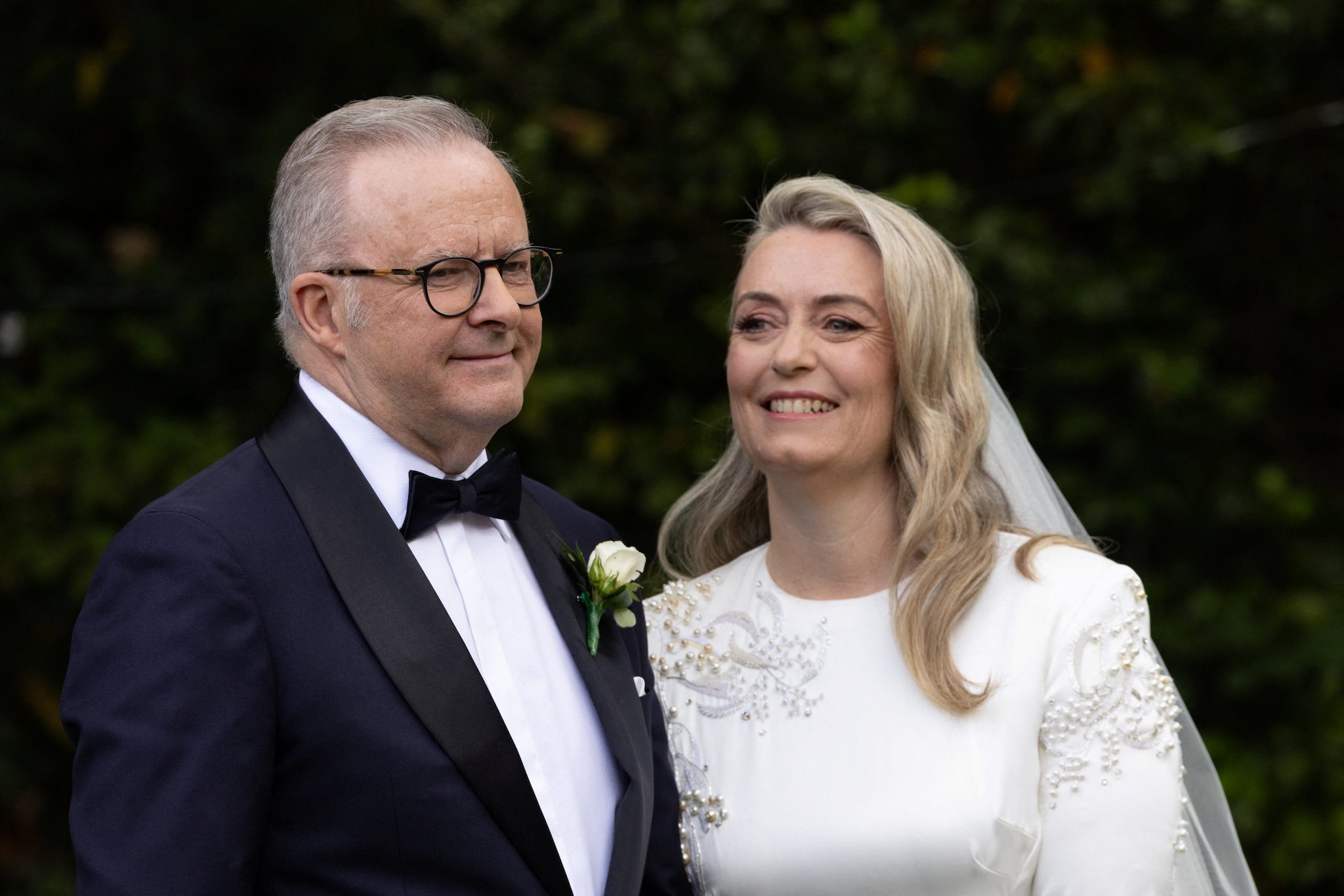
The sight of the Australian Federal Police swarming The Lodge in Canberra isn't something you see every day. It shouldn't be something we ever see. Yet, Prime Minister Anthony Albanese found himself evacuated from his official residence on a Tuesday night because of a bomb threat that turned out to be a hoax, but the message it sent was real and ugly.
If you're wondering why a dance troupe was at the center of a national security scare, you're not alone. The threat specifically targeted upcoming performances by Shen Yun, a classical Chinese dance group. The anonymous sender claimed they'd planted "large quantities of nitroglycerin explosives" around the PM's home and would blow it to ruins if the shows went ahead. It's the kind of extreme, unhinged rhetoric that's starting to feel worryingly common in our backyard.
The night The Lodge went dark
The evacuation happened around 6:00 PM. For three hours, the leader of the country was moved to a different location while police searched every corner of the property. They found nothing. No explosives, no nitroglycerin, just a lot of wasted time and resources.
Honestly, it's pretty disturbing that we've reached a point where people think this is a valid way to engage in political or cultural disagreement. Whether you're a fan of Shen Yun or not, or whether you have a stance on their link to the Falun Dafa movement, shouldn't matter. In a healthy democracy, we don't threaten to blow up the Prime Minister's house because we don't like a dance show.
Why the sudden surge in threats
It's not just a one-off event. The Australian Federal Police (AFP) have some pretty sobering numbers on this. Violent threats against federal politicians have basically doubled in the last couple of years. In the 2024-25 financial year alone, there were 951 reports investigated. That's almost three threats every single day.
- Death threats are becoming a regular part of the job for some MPs.
- People are feeling emboldened to harass and intimidate.
- The "online world" is acting like a pressure cooker for these tensions.
Turning the heat down is more than a slogan
The morning after his evacuation, the PM wasn't just talking about his own safety. He was talking about us. Speaking at an event in Melbourne, he told the room, "Turn the heat down, for goodness sake." He wasn't just asking for a bit of politeness; he was making a plea for social cohesion.
It's easy to dismiss this as just another politician's soundbite. But if you look at the current social climate, it's a legitimate warning. We're seeing more and more of this "imported" style of political anger. You've probably seen it on your own social feeds—arguments that start about one thing and quickly spiral into pure vitriol.
The danger of imported division
Finance Minister Katy Gallagher hit the nail on the head when she said, "This isn't our country." She's right. Australia has historically been a place where you can bump into your local member at the supermarket or have a respectful, albeit heated, debate at the pub. When we start seeing bomb threats and evacuations, that culture is under threat.
Social cohesion data from 2024 shows that while we're resilient, we're also feeling the strain. People are stressed about the cost of living, housing, and migration. When you add those real-world stresses to an online environment that thrives on outrage, you get the kind of explosive (pun intended) situation we saw at The Lodge.
What happens when we stop talking
The bomb threat against the PM wasn't really about explosives. It was about shutting down a conversation and a cultural event through fear. When one side of a debate decides that their view is so "correct" that it justifies violence—or the threat of it—the whole system breaks.
Think about what this does to our public life. If every MP has to worry about a bomb threat every time they take a stand, they're going to stop taking stands. Or worse, only the loudest, most extreme voices will be left in the room.
The rise of extreme views
Data from the McKinnon Poll shows that 72% of Australians want stronger action against extremism and intolerance. People are over the drama. They're over the constant "us vs. them" narrative that seems to be dominating the news.
The problem is that it's easy to be moderate in your head but much harder to speak up against the noise online. We've become a society that's "less partisan" in our memberships but much louder in our digital interactions. It's a weird paradox where we don't actually care as much about party lines, but we're angrier than ever about specific issues.
Reclaiming the "Fair Go" in debate
If we want to stop seeing the AFP searching the PM's house every few months, we have to change how we talk to each other. It sounds simple, but it's clearly not.
The next time you're about to fire off a comment or get into a digital shouting match, remember that these words have real-world consequences. They feed an atmosphere where someone, somewhere, thinks it's okay to send a bomb threat to a public official.
We can't take our stability for granted. It's something we have to actually work at every day. That means listening to people you don't agree with without reaching for the "nuclear" option in your rhetoric.
Keep an eye on the official AFP updates regarding these security incidents. If you see something that looks like radicalization or a threat of violence in your local community, don't just ignore it. Report it to the National Security Hotline at 1800 123 400. It's better to be cautious than to wait for the next evacuation.