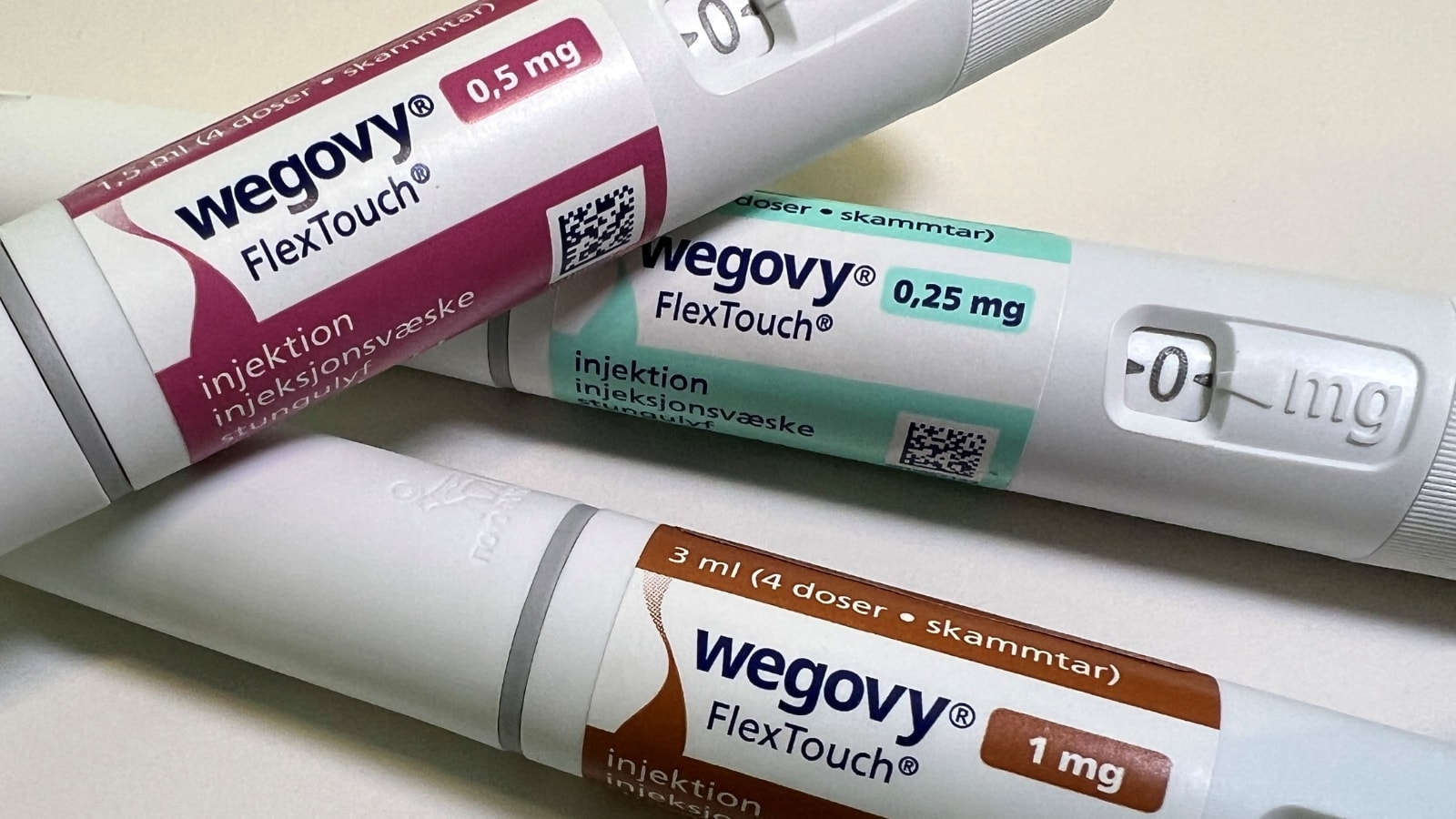
Novo Nordisk just flipped the script on how you buy weight-loss drugs. On March 31, 2026, the company launched a first-of-its-kind subscription model for Wegovy, slashing prices by nearly 30% for people paying out of pocket. If you've been priced out of the GLP-1 market or felt like a pawn in the "pharmacy hunger games," this is the shift you've been waiting for.
The strategy is simple: the longer you commit, the less you pay. By partnering with telehealth giants like Ro, WeightWatchers, and LifeMD, Novo is trying to bypass the insurance red tape that has kept these life-changing meds behind a $1,350-a-month paywall. You might also find this similar coverage interesting: The Middle Power Myth and Why Mark Carney Is Chasing Ghosts in Asia.
It's a bold play to snatch back the crown from Eli Lilly, whose Zepbound has been eating Novo's lunch lately. But don't be fooled—this isn't just about being nice. It's a calculated survival tactic.
The Math Behind the New Wegovy Tiers
Forget the confusing "savings cards" that may or may not work at your local CVS. The new subscription model is built on predictable, tiered pricing. Here’s how the monthly cost breaks down for the Wegovy injection pen if you’re a self-pay patient: As highlighted in latest articles by Harvard Business Review, the results are widespread.
- 3-Month Subscription: $329 per month
- 6-Month Subscription: $299 per month
- 12-Month Subscription: $249 per month
For context, the standard "discounted" cash price was previously hovering around $349. Dropping to $249 for a year-long commitment undercuts Eli Lilly’s Zepbound, which currently starts at $299 for lower doses and jumps to $449 for higher ones.
Novo is also applying this logic to its newer Wegovy pill. The oral version—which launched in January 2026—now ranges from $249 to $289 depending on the subscription length. If you hate needles, the price gap between the shot and the pill just got a lot smaller.
Why Novo is Slashing Prices Now
Honestly, Novo Nordisk had no choice. For the first time in the GLP-1 era, the pioneer is looking like the underdog.
By the end of 2025, Eli Lilly’s Zepbound and Mounjaro had grabbed roughly 60% of the market share, leaving Novo with 40%. Investors noticed. Novo’s stock has taken a beating recently, dropping nearly 30% this year while Lilly has stayed relatively flat.
Lilly moved faster on the direct-to-consumer front with "LillyDirect," and they’ve been more aggressive with supply chain stability. Novo is tired of losing. By locking you into a 12-month subscription, they aren't just selling a drug; they're buying your loyalty. It’s a lot harder to switch to a competitor's product mid-year when you’ve already signed up for a discounted plan.
The Telehealth Partnership Strategy
You won't find these prices by walking into a neighborhood pharmacy with a paper script. This is a digital-first rollout.
Initial partners include Ro, WeightWatchers, and LifeMD. Expect Hims & Hers and Sesame to join the fray shortly. This setup solves two major headaches for Novo:
- Adherence: People stop taking these drugs when they get expensive or hard to find. Subscription models encourage "staying the course," which is better for your health and Novo’s bottom line.
- The Compounding Threat: Thousands of people have turned to "compounded" (off-brand) semaglutide because the brand-name stuff was too expensive. At $249 a month, the price of "real" Wegovy finally starts to compete with the pharmacy-mixed versions.
What This Means for Your Wallet
If you have great insurance that covers weight-loss meds for a $25 co-pay, keep doing what you're doing. This news isn't for you.
This is for the "coverage gap" crowd—people whose employers exclude obesity care or those with high-deductible plans. In the past, you were stuck paying over $1,000 or hunting for coupons like it was a full-time job.
Now, you have a clear choice. You can commit to a year of treatment and pay less than $3,000 annually. That’s still a lot of money, but compared to the $16,000 "sticker price" we saw a few years ago, it's a massive shift in the right direction.
The Catch You Need to Watch For
There's always a catch. With these subscriptions, you're usually tied to a specific telehealth provider. That means you might have to pay their monthly membership fee on top of the drug cost.
Before you sign up, check the total cost. If the telehealth platform charges $99 a month for "coaching" and "labs," your $249 Wegovy subscription actually costs you $348. Always read the fine print on the "platform fee" before you commit to a 12-month contract.
Practical Steps to Get the $249 Rate
Don't wait for your doctor to bring this up. Most primary care physicians aren't even aware of the subscription tiers yet.
- Check Your Eligibility: These plans are strictly for self-pay patients. If you're on Medicare or have insurance that already covers the drug, the terms change.
- Compare Telehealth Fees: Visit Ro, WeightWatchers (found through their "Clinic" section), or LifeMD. Compare their monthly membership fees.
- Calculate the 12-Month Total: Don't just look at the monthly price. Multiply the drug cost plus the platform fee by 12 to see your true annual investment.
- Ask About the Pill: If you're a new patient, ask your provider if the Wegovy pill is a better fit for your lifestyle than the weekly injection.
Novo Nordisk is betting that by making the price "predictable," they can win back the millions of people who gave up on the brand. It’s a smart move in a crowded market, and for once, the price war is actually benefiting the person holding the pen.