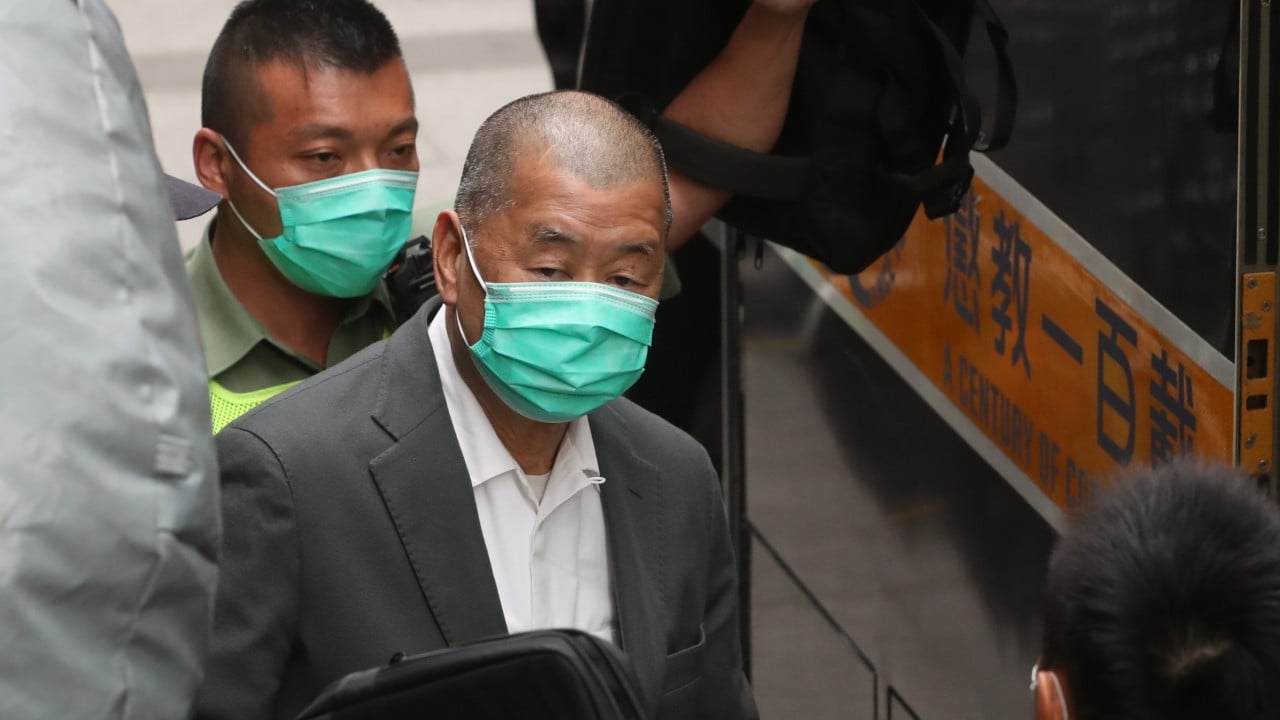
Geopolitical friction between Washington and Beijing just entered a sharper phase. The introduction of the Jimmy Lai Hong Kong Political Prisoner Accountability Act of 2026 has reignited a fierce diplomatic clash over the rule of law, national security prosecutions, and human rights in Hong Kong.
If you've been following how western lawmakers interact with Beijing's tightening control over the territory, this latest move is not just symbolic posturing. It marks a systematic effort to target individual officials and dismantle specific diplomatic privileges. Hong Kong authorities have hit back hard against the U.S. panel proceedings, setting the stage for an escalating standoff that impacts international trade, consular ties, and the global financial hub's reputation.
What Triggered the Latest Clash
The immediate catalyst centers on the ongoing legal fallout surrounding Jimmy Lai, the 78-year-old pro-democracy activist and founder of the now-defunct Apple Daily. Following his high-profile trial and subsequent sentencing to a lengthy prison term under Hong Kong's National Security Law, Western governments and human rights bodies voiced sharp condemnation.
Lawmakers in the United States didn't stop at verbal criticism. Led by bipartisan figures on the Congressional-Executive Commission on China (CECC), including Senator Dan Sullivan and Representative Chris Smith, Washington advanced targeted legislation designed to enforce strict accountability.
The proposed legislation introduces acute pressure points:
- Mandatory Sanctions: It forces the U.S. Secretary of State, in coordination with the Treasury, to determine within strict timeframes whether detained political prisoners face life-threatening conditions, abuse, or medical neglect. If credible evidence points to state responsibility, sanctions under the Global Magnitsky Act must follow within 60 days.
- Visa Restrictions: Immediate restrictions targeting adult family members of foreign persons designated under the sanctions framework.
- Consular and Health Tracking: Mandates annual reports tracking the physical health, medical access, and legal treatment of high-profile prisoners.
Hong Kong's Defiant Response
Hong Kong's government reacted with swift indignation, rejecting foreign interference in its judicial processes. Officials in the SAR administration dismissed international commentary and sanctions bills as political theater designed to undermine the city's judiciary.
Local authorities maintained that the Correctional Services Department provides adequate medical care and that all legal proceedings strictly adhere to domestic jurisprudence. From Beijing and Hong Kong's perspective, external panels holding hearings on local criminal cases represent a direct violation of sovereignty and an improper attempt to pressure judges and prosecutors executing national security mandates.
Beyond Jimmy Lai: The Broader Legislative Strategy
The Jimmy Lai Hong Kong Political Prisoner Accountability Act is only one piece of a broader legislative puzzle moving through Washington. Lawmakers have bundled several related measures to increase pressure across multiple fronts:
- The Hong Kong Judicial Sanctions Act: Aims directly at judges and prosecutors involved in national security trials.
- The HKETO Certification Act: Targets the continued operation, privileges, and immunities of Hong Kong Economic and Trade Offices (HKETOs) operating within the United States.
For multinational businesses and expatriates operating in the region, these bills signal a permanent shift. The traditional firewall separating Hong Kong's economic policy from mainland China's legal framework continues to blur, forcing compliance officers and corporate strategists to constantly reassess operational risk.
What This Means for Global Observers
The battle lines over Hong Kong are entrenched. Washington sees these measures as essential tools to deter further erosion of civil liberties, while Beijing and Hong Kong view them as hostile encroachment by foreign actors. As these bills make their way through committee reviews and legislative debates, the economic and diplomatic fallout will reverberate well beyond East Asia, shaping how international capital and talent evaluate the long-term viability of the region.