Don't believe the victory laps just yet.
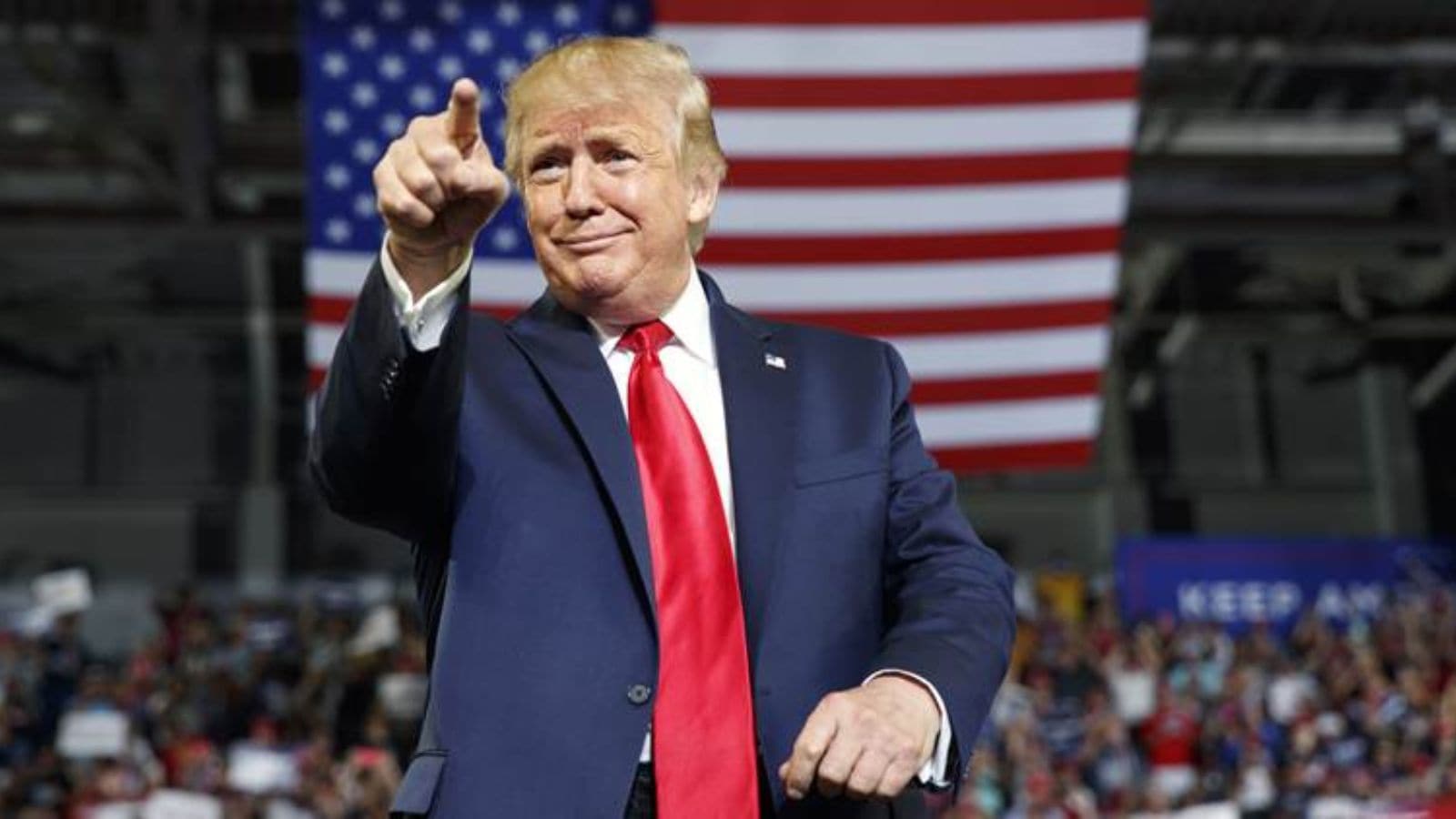
The global markets are celebrating because Donald Trump announced a "great settlement" to stop the maritime war in the Persian Gulf. Oil prices dipped over two percent, equities surged, and diplomatic circles are buzzing about a potential signing ceremony in Geneva this coming Sunday, June 14. You might also find this similar story useful: The Heavy Silence of an Internal Matter.
The core of the chatter centers on a proposed 60-day memorandum of understanding designed to pull the region back from the brink. It promises to end the US blockade of Iranian ports, pause the direct military strikes that started in February, and reopen the choked Strait of Hormuz.
But if you look past the initial euphoria, this deal is already coming apart at the seams. While Washington and various international mediators talk about a breakthrough, the actual terms being leaked by Tehran read like a total American capitulation. Trump knows it, which is why he spent Friday morning blasting Iran's state media leaks on Truth Social, calling them "weak, pathetic," and completely unrelated to the written truth. As highlighted in latest articles by Reuters, the effects are worth noting.
We are looking at an incredibly fragile truce, not a permanent fix. If you expect a seamless return to stable global energy markets by Monday morning, you are misreading the entire situation.
The Massive Gulf Between Washington and Tehran
The fundamental flaw here is that both sides are reading from completely different scripts. International mediators, including Pakistani Prime Minister Shehbaz Sharif, claim a final text has been reached. Yet, the moment the broad outlines hit the press, the consensus evaporated.
According to reports from Iran's state-run IRNA and Mehr news agencies, Tehran thinks it just won the jackpot. Their version of the draft includes:
- An immediate waiver on Iranian oil sanctions.
- The unfreezing of billions of dollars in blocked overseas assets.
- A complete US military withdrawal from the areas surrounding Iran.
- A bizarre demand for a $300 billion Western-led reconstruction fund to rebuild Iran's economy.
Worse for Washington, the Iranian version explicitly states that Tehran will not cede management of the Strait of Hormuz, nor will it return the waterway to pre-war conditions. They also claim the entire nuclear issue has been shelved for later discussions.
Trump's team hit back hard on Friday afternoon. A senior administration official clarified that any signed memorandum will be strictly performance-based. Translation: Iran doesn't get a single dime of its frozen assets or any lasting sanctions relief until it actually changes its behavior on the water.
This isn't just a minor disagreement over wording. It's a massive, structural divide. Iran thinks it's signing a victory pact that cements its control over global shipping chokepoints. The US thinks it's dictating terms to a battered regime. Both sides cannot be right.
Why the Strait of Hormuz Won't Just Snap Back to Normal
Even if US Vice President JD Vance and Iranian Parliament Speaker Mohammed Baqer Qalibaf sit down in Geneva this weekend to put pen to paper, reopening the Strait of Hormuz isn't as simple as turning on a switch.
The waterway has been a shooting gallery since February. Just hours before these peace leaks intensified, US naval forces had to shoot down two Iranian one-way attack drones targeting commercial vessels leaving the strait. There was also a highly volatile drone incident involving Indian merchant ships, which Trump directly labeled "totally unacceptable."
You can't expect commercial shipping lines to instantly send multi-million dollar tankers back into a narrow channel that was a warzone 48 hours prior. Insurers are going to demand prolonged periods of verified calm before war-risk premiums drop.
Furthermore, Iran's internal politics are working against a clean resolution. While Foreign Minister Seyed Abbas Araghchi urged media restraint and claimed a deal has never been closer, the ultimate authority rests with Supreme Leader Mojtaba Khamenei. He has yet to explicitly stamp his approval on this document. In Iran's fractured political structure, the diplomatic corps often negotiates terms that the hardline military elite and the Islamic Revolutionary Guard Corps have zero intention of honoring on the water.
The Lebanon Complication
You also have to look at what's happening outside the Gulf. Iran is digging its heels in on a key demand: any halt to hostilities in the Persian Gulf must be tied to a total cessation of military actions in Lebanon.
Right now, Israel is pressing ahead with its campaign against Hezbollah in southern Lebanon, hitting over 310 targets in a single week. Israeli Prime Minister Benjamin Netanyahu has explicitly stated he stands shoulder-to-shoulder with Trump regarding Iran's nuclear ambitions, but Israel isn't a party to this Geneva memorandum.
If Iran conditions the reopening of the Strait of Hormuz on Israel halting its campaign across the Lebanese border, the deal is dead on arrival. Washington cannot force Israel to abandon its northern border operations just to secure a short-term drop in global oil prices before an election cycle.
What Happens Next
If you are tracking this situation for its impact on global logistics or energy markets, stop watching the rhetoric and start watching the concrete actions over the next 48 hours.
First, watch for official confirmation of the Geneva travel schedules. If JD Vance actually boards a plane for Switzerland, a bare-minimum framework exists. If the trip is delayed, the text has collapsed over the sanctions dispute.
Second, monitor the maritime insurance indices. True stabilization won't be signaled by political tweets; it will be signaled when Lloyd's of London underwriters adjust their risk ratings for the Persian Gulf.
Don't buy into the weekend hype. Prepare for a bumpy, highly conditional 60-day pause that could shatter the moment a rogue drone flies off course. Ensure your supply chains and energy hedges account for continued volatility in the Gulf through the summer, regardless of what happens in Geneva this Sunday.