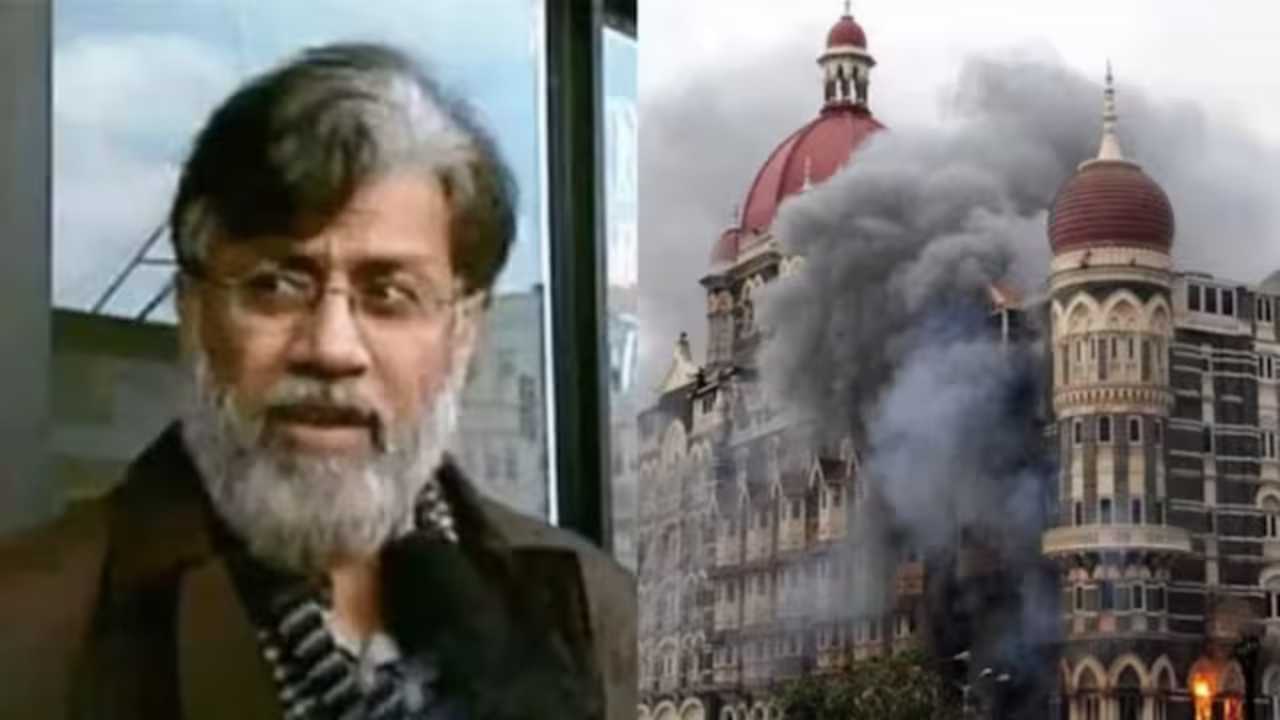
The headlines are shouting that Canada is finally "cleaning house" by moving to revoke Tahawwur Rana’s citizenship just as Mark Carney prepares for a high-stakes diplomatic trek to India. It looks like a masterclass in timing. It looks like a peace offering. It looks like Canada is finally taking the 2008 Mumbai attacks and global counter-terrorism seriously.
It’s none of those things.
If you think this move is about justice or a sudden shift in Canadian foreign policy, you’ve been sold a narrative designed for optics, not outcomes. Revoking citizenship from a man who has already spent the better part of two decades in the crosshairs of the FBI and the Indian legal system isn't a bold move. It’s a bureaucratic escape hatch.
The Myth of the "Diplomatic Peace Offering"
The media consensus is that Ottawa is tossing India a bone to smooth the way for Carney. This assumes the Indian government is easily distracted by low-hanging fruit. I’ve watched these diplomatic gears grind for years; New Delhi doesn’t trade long-term security grievances for symbolic administrative gestures.
Rana has been a pawn in a three-way legal tug-of-war between the U.S., India, and Canada for years. Revoking his citizenship now doesn’t actually expedite his extradition from the U.S. to India. In fact, it might complicate the legal standing of his remaining ties to the West.
The "lazy consensus" suggests this is a proactive strike. In reality, it’s a reactive scramble. Canada is currently dealing with a massive credibility deficit regarding its handling of extremists. This isn't a policy shift; it's a PR campaign masquerading as law enforcement.
Why Revocation is a Weak Tool
Citizenship revocation is often treated as the ultimate "nuclear option" in news cycles. It sounds tough. It feels definitive. But in the world of high-stakes intelligence and international law, it’s often a sign of failure, not strength.
- The Legal Quagmire: Stripping citizenship is notoriously difficult under Canadian law, requiring proof of "misrepresentation or fraud." If Canada knew about Rana’s ties years ago, why wait until a trade envoy needed a clear runway?
- The "Stateless" Problem: International law generally frowns upon making individuals stateless. By stripping his status, Canada risks pushing Rana into a legal limbo that actually delays his transfer to India, as defense lawyers will argue he now lacks a state to protect his basic human rights during transit.
- The Precedent Trap: If the government can fast-track a revocation to suit a diplomatic calendar, it admits that the process is political, not judicial. That is a gift to every defense attorney currently fighting similar cases.
The Carney Factor: Finance vs. Fragility
Mark Carney isn't going to India to talk about Tahawwur Rana. He’s going to talk about capital, carbon, and the crumbling infrastructure of global trade. The idea that Rana is a "pre-visit cleanup" item insults the intelligence of the Indian Ministry of External Affairs.
India wants tangible cooperation on current intelligence sharing and the curbing of active threats on Canadian soil. They don't want a 16-year-old cold case used as a "get out of jail free" card for modern diplomatic tensions.
I’ve seen this play before. A government under fire for its domestic security failures picks a "villain" that everyone already agrees is a villain, performs a public shaming, and hopes the distractions hold long enough to sign a few MOUs. It rarely works.
Stop Asking if Canada is "Getting Tough"
The "People Also Ask" section of the internet is currently flooded with variations of "Will Canada extradite Rana?" or "Is Canada fixing its relationship with India?"
You’re asking the wrong questions.
The real question is: Why does Canada consistently use administrative tools to solve criminal and diplomatic problems?
Revoking citizenship is an administrative act. It’s a paper-shuffling exercise. It doesn't put boots on the ground, it doesn't stop radicalization, and it certainly doesn't address the core complaints New Delhi has lodged against Ottawa for the last three years.
The Hidden Data of Delay
- 14 years: How long it took for the 26/11 masterminds to see even a fraction of the pressure being applied today.
- 0: The number of high-level extraditions successfully completed solely because of a citizenship revocation in the last decade.
- 100%: The probability that Rana’s legal team will use this "timely" move to claim political interference in his case.
The Counter-Intuitive Truth
If Canada were serious about India, they wouldn't be focusing on Rana. They would be focusing on the current logistical hubs of anti-India activity within their own borders.
By focusing on Rana, the government is actually protecting the status quo. It allows them to say, "Look, we are doing something," without actually touching the politically sensitive groups that are causing the current rift. It’s a classic bait-and-switch.
Rana is the perfect sacrificial lamb. He’s already in U.S. custody. He has no domestic political base in Canada. He’s a "safe" target. Taking him down doesn’t lose any votes, but it provides a convenient headline for the evening news.
The Practical Reality
If you are an investor looking at the Canada-India corridor, do not be fooled by this "thaw." This isn't a sign that the relationship is repaired. It’s a sign that the Canadian government is desperate to change the subject.
True diplomatic shifts happen in silence, through deep-tissue intelligence sharing and the quiet removal of funding for extremist elements. They don't happen via leaked reports about citizenship papers right before a former Central Bank governor hops on a plane.
The status quo isn't being disrupted; it's being polished.
Canada is playing a short-game strategy in a long-game region. India knows it. The U.S. knows it. And deep down, the bureaucrats in Ottawa know it too. They are hoping you don't notice that while they take away a passport from a man in a jail cell in Los Angeles, the actual fires they were supposed to put out are still smoldering.
Stop reading the press releases. Start watching the extradition treaties. If Rana isn't on a plane to Mumbai within six months, this entire revocation exercise was nothing more than a very expensive, very loud, and ultimately meaningless piece of theater.
The paperwork doesn't matter. The person doesn't even really matter anymore. Only the power dynamic matters, and right now, Canada is showing its hand: it has no real cards left to play, so it’s trying to flip the table and hope no one notices.
Don't look at what they are taking away from Rana. Look at what they are trying to hide from you.
The "move" to revoke citizenship is the diplomatic equivalent of a "thoughts and prayers" tweet. It costs nothing, changes nothing, and is forgotten by next Tuesday.
The circus is in town, and Mark Carney is just the lead act.
Stop falling for the optics. Demand the results.
The citizenship isn't the story. The cowardice to address the real friction is.
Take the headline, throw it in the trash, and wait for the actual policy change that isn't coming.