The United States has recently intensified its public accusations against Beijing regarding suspected low-yield nuclear testing at the Lop Nur site. This is not merely a diplomatic spat over transparency; it is the opening salvo in a new era of atomic competition that threatens to dismantle decades of global arms control. By declassifying specific concerns about "zero-yield" violations, Washington is attempting to corner China into a verification regime that Beijing has spent thirty years avoiding. The goal is to force a choice between total transparency or a return to a wide-open arms race that no one can actually afford.
The Lop Nur Shadow Play
For years, the remote desert of Xinjiang has been the focal point of a silent struggle between satellite surveillance and subterranean engineering. US intelligence reports now point to a series of activities at China’s Lop Nur testing base that suggest more than just routine maintenance. These activities include extensive excavation, the use of large explosive containment chambers, and a suspicious frequency of "heavy-duty" logistics movements that mirror the preparations for subcritical or low-yield nuclear tests.
Beijing denies everything. They maintain that they are in full compliance with the Comprehensive Nuclear-Test-Ban Treaty (CTBT), despite the fact that, like the United States, they have never actually ratified the document. This creates a legal gray area where both nations are bound by "intent" rather than strict, enforceable inspections.
The technical reality is that modern nuclear modernization doesn't require a mushroom cloud. Small-scale tests, which produce a "zero-yield" or extremely low nuclear energy release, are used to verify the reliability of aging warheads or to develop new, tactical designs. These tests are notoriously difficult to distinguish from conventional chemical explosions used in mining or seismic research. Washington’s decision to "shed light" on these allegations now is a calculated move to strip away the plausible deniability that has allowed China to expand its arsenal in the dark.
The New Triad Strategy
While the headlines focus on the "what" of the tests, the "why" is far more significant. China is currently engaged in what the Pentagon calls a "breathtaking" expansion of its nuclear forces. We are seeing the construction of hundreds of new silo fields in the western deserts, the deployment of more sophisticated road-mobile missiles, and the perfection of the "nuclear triad" through advanced submarine and bomber capabilities.
Historically, China maintained a "minimal deterrent" strategy. They kept a small number of warheads, enough to ensure that if they were hit, they could hit back once. That doctrine is dead. The current build-up suggests a shift toward "launch-on-warning" and a desire for parity with the US and Russia.
To achieve this, they need data. If you haven't conducted a full-scale atmospheric or underground test since 1996, your computer models eventually run dry. Low-yield testing provides the fresh physical data required to ensure that new, smaller warheads—the kind used on hypersonic glide vehicles—will actually work. By calling out these tests, the US is trying to freeze China’s technological progress before it can close the gap with American warhead sophistication.
The Verification Trap
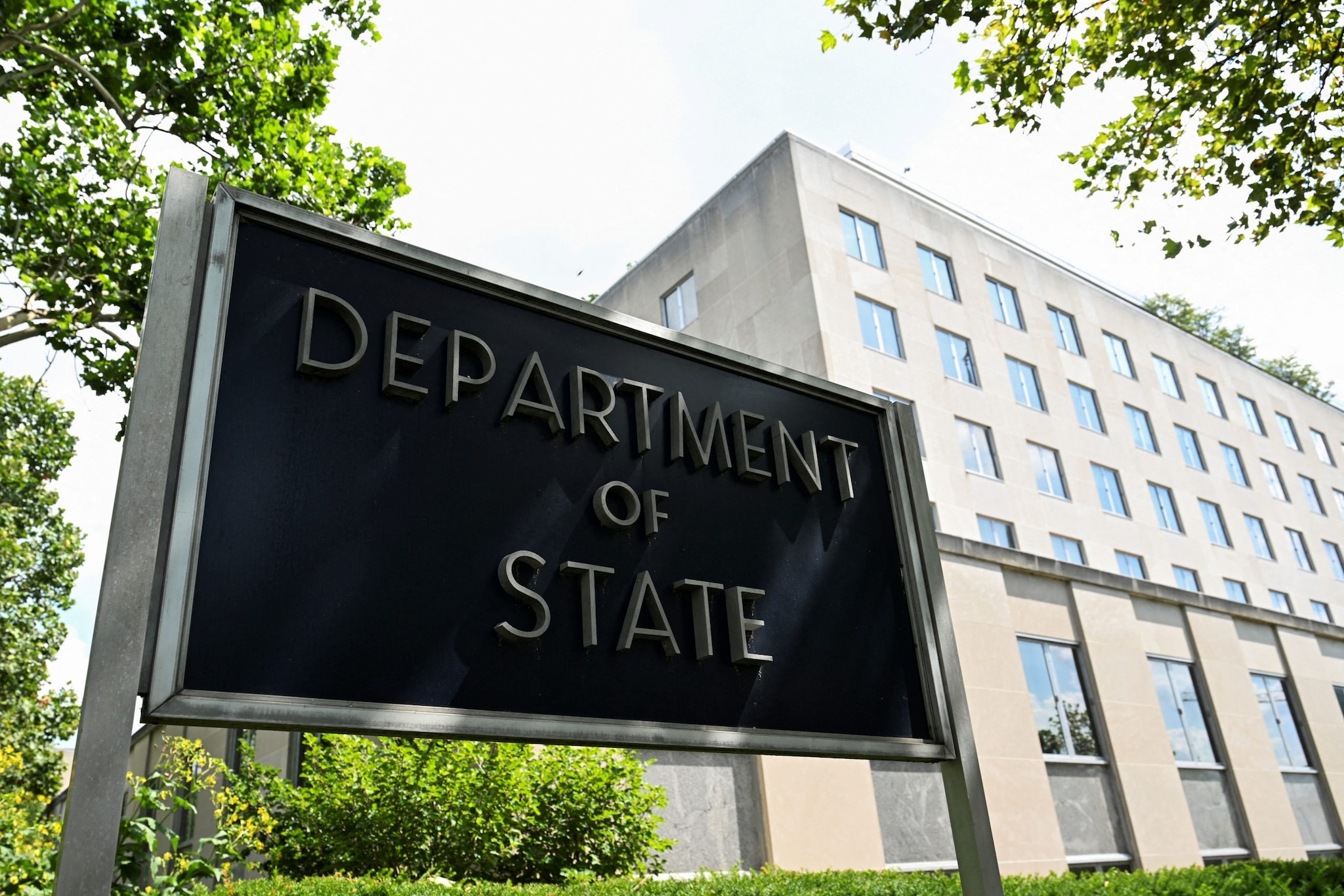
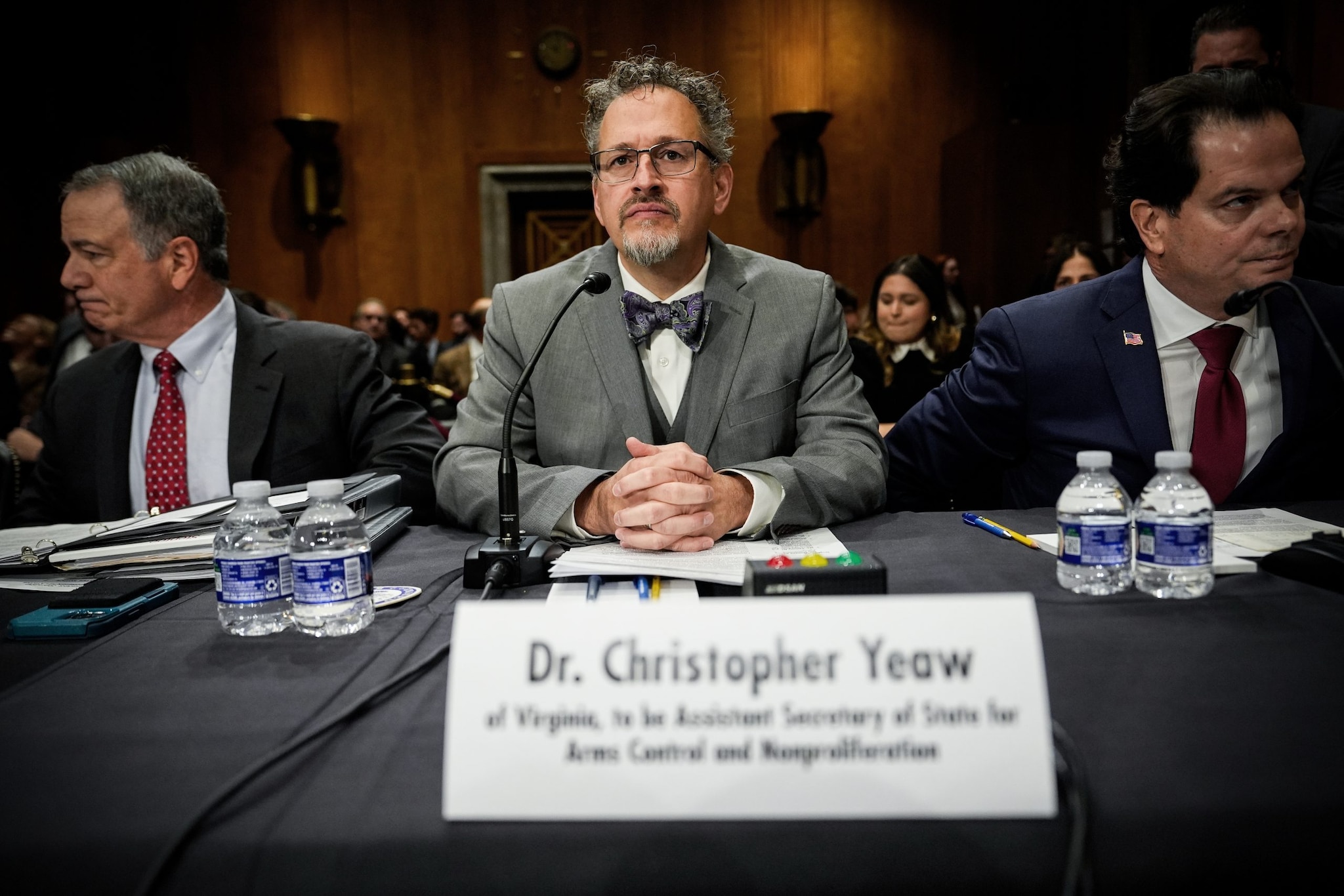
The US State Department is now urging nations to push for a more rigorous disarmament framework. On the surface, this sounds like standard diplomatic boilerplate. In reality, it is a strategic trap.
By demanding "transparency" and "verification," the US is highlighting the inherent weakness of the CTBT. The treaty relies on the International Monitoring System (IMS), a global network of sensors designed to detect the telltale seismic and radioactive signatures of a nuclear blast. However, the IMS is not perfect. It can be fooled by "decoupling"—conducting a test in a large underground cavity to muffle the vibration—or by timing the test to coincide with natural earthquakes.
The US is betting that if it can rally enough international pressure, it can force China into "confidence-building measures." These would include on-site inspections or the installation of US-made sensors near the testing shafts. China views such measures as a violation of sovereignty and a front for American espionage. By refusing, China looks guilty to the international community. By agreeing, they expose the inner workings of their weapons program.
The End of the Post-Cold War Peace
The tension over Lop Nur is a symptom of a much larger collapse. The architecture of arms control that kept the world relatively stable after the fall of the Soviet Union is effectively gone.
- The INF Treaty is dead, allowing for the deployment of intermediate-range missiles.
- New START is on life support, with Russia suspending its participation.
- The Open Skies Treaty has been abandoned.
We are left in a world where the three major nuclear powers are all modernizing their stockpiles simultaneously for the first time in history. This isn't just a bilateral competition anymore; it's a three-body problem, which is mathematically and diplomatically far more unstable.
In a three-way race, if the US builds more interceptors to stop Chinese missiles, it inadvertently threatens the Russian deterrent. If Russia upgrades its heavy ICBMs to counter the US, it puts China at a disadvantage. Every move triggers two counter-moves.
The Hypersonic Variable
One overlooked factor in the current outcry over nuclear testing is the role of hypersonic weapons. These missiles travel at more than five times the speed of sound and can maneuver during flight, making them nearly impossible for current missile defense systems to track or intercept.
China is currently leading the world in the deployment of these systems. However, a hypersonic missile requires a very specific type of compact, high-yield-to-weight ratio warhead. This is precisely the kind of hardware that benefits most from the low-yield testing suspected at Lop Nur. Washington isn't just worried about "nukes" in a general sense; they are worried about a specific technological leap that could make the multi-billion dollar US missile defense shield obsolete overnight.
The Risk of Miscalculation
The danger of publicizing these allegations is the "use it or lose it" mentality it fosters in Beijing. If China believes the US is preparing for a "pre-emptive" diplomatic or military strike against its testing infrastructure, it may accelerate its testing program even further.
There is also the risk of a "tit-for-tat" resumption of testing. Within the US, there are hawkish voices in the defense establishment arguing that if China is testing, the US should return to full-scale testing at the Nevada National Security Site to ensure American warheads are still functional. If the US goes back to testing, the CTBT is officially a dead letter, and every minor nuclear power—from North Korea to potentially Iran—will have the green light to follow suit.
The Cost of Silence
For decades, the global community preferred a "don't ask, don't tell" approach to low-yield testing. As long as there wasn't a massive crater or a radioactive cloud, everyone pretended the moratorium was holding. That era of willful ignorance is over.
The US allegations have forced the issue into the light, but the light is blinding. We are now in a period where transparency is treated as a weapon and disarmament is used as a rhetorical shield. The push for nations to demand "accountability" is less about saving the world from nuclear fire and more about slowing down an adversary that is moving too fast for comfort.
The next phase of this conflict won't be fought at the UN. It will be fought in the silicon and code of simulation supercomputers, and in the deep, silent shafts of the Xinjiang desert. If the world cannot find a way to verify "zero," then the number of warheads on the global stage will only continue to climb.
Check the seismic data from the latest International Monitoring System reports to see if the "anomalies" at Lop Nur are increasing in frequency.