The morning air in coastal Australia usually greets the sunrise with a deafening, joyful chaos. Gulls wheel through the salty spray, corellas shriek from the eucalyptus crowns, and pelicans glide with ancient, effortless grace above the surf. It is a soundtrack of abundance. A living baseline that reminds anyone listening that the wild edges of this continent are fiercely, beautifully alive.
Then, the quiet comes.
It does not arrive all at once. First, the perches empty. Then, the shoreline grows strange, littered not with the usual driftwood and shells, but with stillness. Finality.
When more than one thousand birds were found dead across three separate mass mortality events, the official reports called it a significant H5 escalation. The spreadsheets categorized them as data points, epizootic anomalies, surveillance metrics. But spreadsheets cannot capture the heavy, suffocating weight of walking a tide line and finding hundreds of creatures—creatures that once owned the wide, open sky—now reduced to fragile, broken feathers on the sand.
We talk about outbreaks like abstract weather patterns. We watch the maps from a safe distance, tracking lines and arrows that point across oceans and continents, as if the virus were a storm front moving harmlessly over empty paddocks. It is easy to detach ourselves from the reality of avian influenza. It is easy to view it as a problem for the poultry farms, the biosecurity ministers, the distant laboratories where scientists lean over microscopes under harsh fluorescent lights.
Consider what happens closer to home.
Imagine walking along a familiar wetland at dawn, a place where you have watched black swans paddle through the mist for decades. Now, picture the water unnaturally vacant. Picture a field officer in protective gear, moving methodically through the reeds with heavy bags and stern protocols. This is not a movie scene. This is the new baseline of a warming, hyper-connected natural world where invisible pathogens cross oceans on the wings of migratory wanderers.
The H5 strain of highly pathogenic avian influenza is not merely a livestock issue. It is a slow-moving ecological earthquake. For years, Australia remained an isolated sanctuary, a lucky island geography that managed to dodge the devastating waves of the virus that decimated wildlife across Europe, the Americas, and parts of Asia. That geographic armor has cracked. When wild seabirds and raptors begin dropping from the sky in clusters numbering in the hundreds, the warning lights are flashing red.
Why does a dead pelican on a remote beach matter to someone sitting in a high-rise office in Sydney or Melbourne?
Because nature is a web, not a collection of isolated threads. When you pull hard on the avian thread, the entire ecosystem begins to fray. Raptors that keep rodent populations in check disappear. Scavengers vanish. Wetlands lose their biological pulse. And underneath the ecological anxiety lies a darker, more pressing human concern: spillover.
Every single time this virus replicates in a new mammalian or avian host, it rolls the genetic dice. It tests combinations. It looks for keys to unlock new doors. While current strains primarily target animal populations, the sheer volume of circulation increases the evolutionary pressure. We are watching a slow-motion collision between wild biodiversity and a microscopic predator that treats borders as mere suggestions.
To understand the panic in the biosecurity sector, you have to look past the bureaucratic language. You have to look at the people whose entire lives are tied to the land.
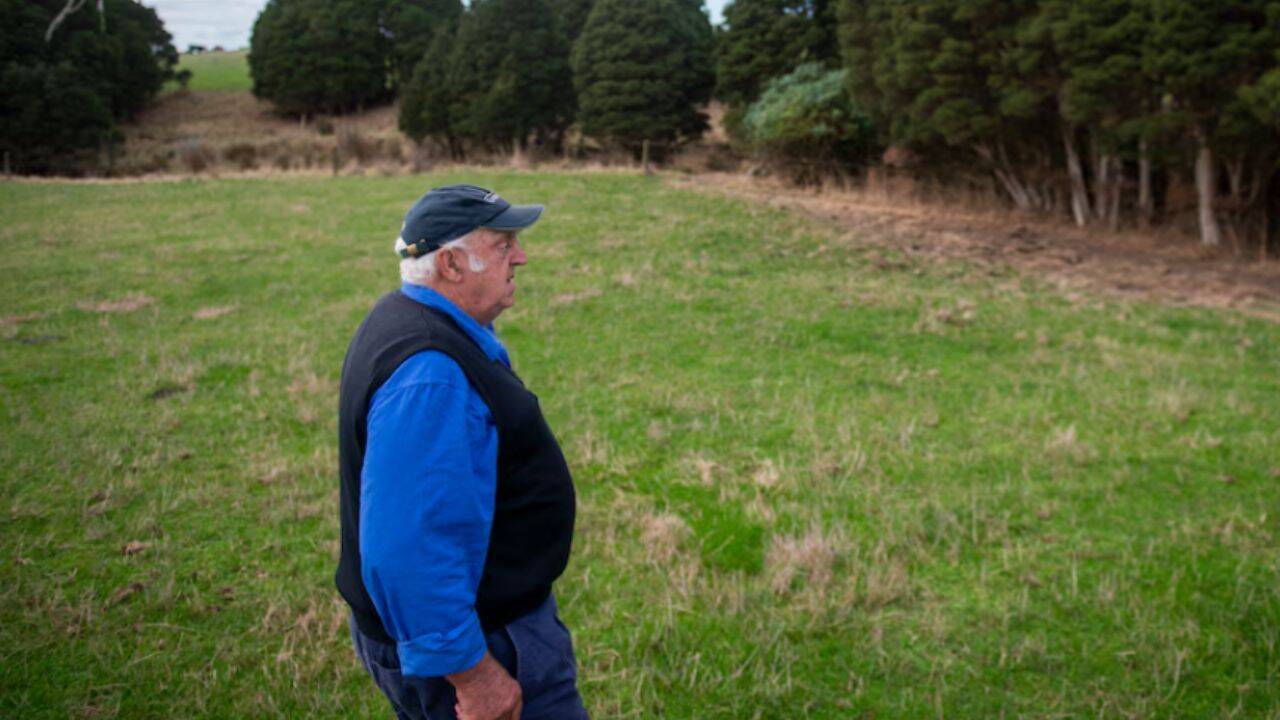
Talk to a poultry grower whose grandfather cleared the very soil they now farm. For generations, their worst enemy was the weather—drought, flood, fire. Those were visible demons. You could see the storm clouds gathering; you could watch the river rise. You could fight back with sandbags, irrigation, and insurance.
Against H5, the enemy is a ghost.
It arrives on the feathers of a wild duck passing overhead during the night. It sits quietly in the dust of a feed shed. It transforms a livelihood into a biohazard zone in a matter of days. The emotional toll on these communities is immense, marked by sleepless nights, empty coops, and the grim necessity of culling healthy flocks just to stop a wildfire from spreading further through the valley.
We are living through a pivot point in our relationship with the natural world. For too long, humanity has operated under the illusion that we are separate from the biosphere—that we can watch its collapse from the balcony like an unfolding tragedy on a screen. But the shorelines of Australia are telling a different story now. They are reminding us that when the wild things fall silent, we are next in line to feel the chill.
The thousand dead birds found in those recent mass mortality events are not just statistics in a weekly health bulletin. They are the canaries in the global coal mine. They are telling us that the invisible walls protecting our isolated ecosystems have fallen, and that the path forward will require a fundamental shift in how we monitor, protect, and respect the living world around us.
The tide rolls in, washing the footprints away from the wet sand. Out on the horizon, the wind picks up, carrying the salt and the cold, indifferent sea. The sky remains wide, vast, and waiting to see who will fly next.