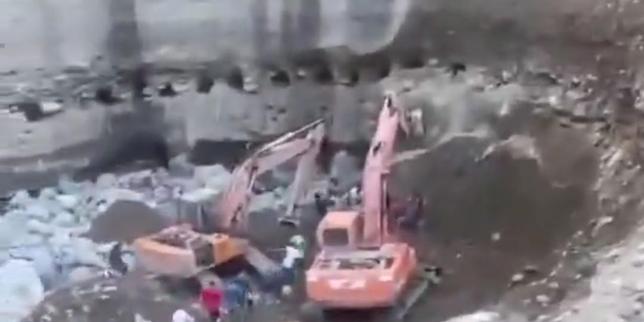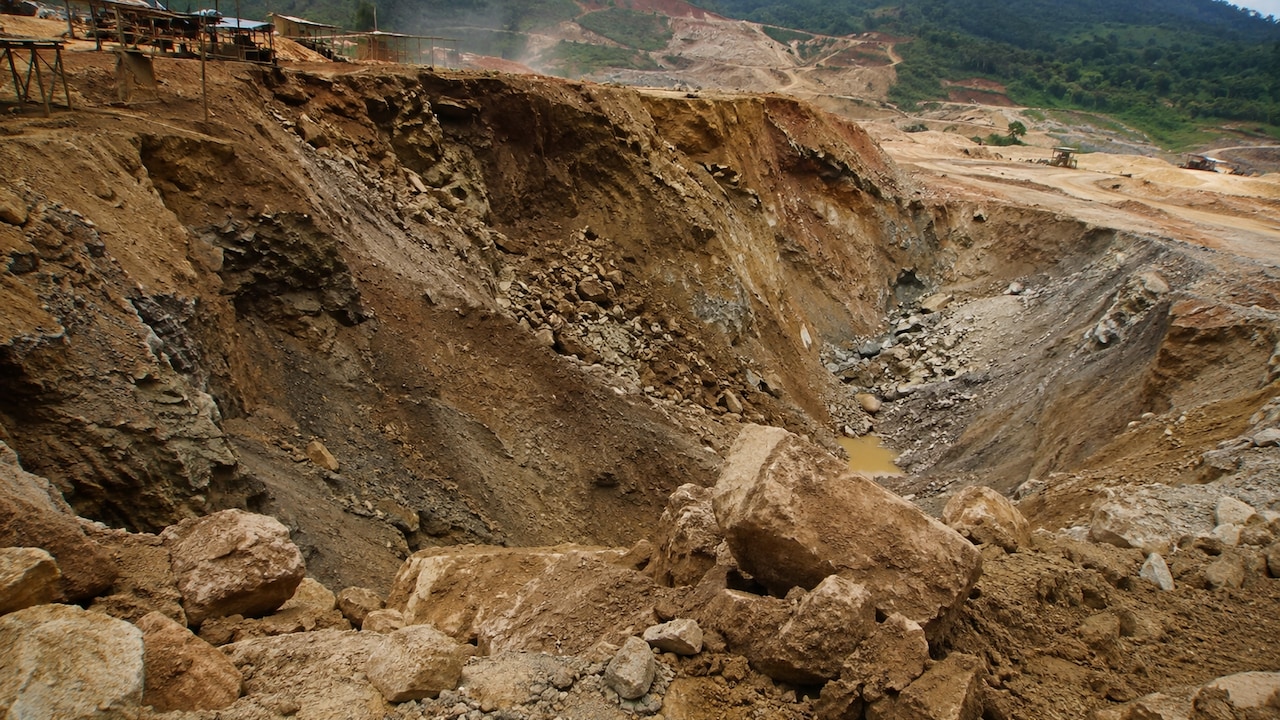
Thirteen miners die in a shaft collapse in Colombia. The headlines scream the same predictable horror, framing the tragedy as yet another indictment of criminal enterprise, rogue cartels, and environmental vandalism. The state responds with its favorite hammer: military raids, dynamite on tunnel mouths, and self-congratulatory press conferences about cracking down on illegal extraction.
Everyone nods in solemn agreement. Everyone demands stricter enforcement. Everyone misses the entire economic reality on the ground.
I have spent years walking the red dirt tracks of Antioquia and the Cauca valley, watching the machinery of artisanal mining up close. I have seen governments burn million-dollar backhoes while starving local communities of their only viable lifeline. The lazy consensus says illegal mining is a plague of lawlessness that needs a heavier police boot. The brutal truth is that illegal mining is a symptom of a bureaucratic state that has outlawed survival, creating a black market by design through impossible permitting hurdles.
Stop trying to eradicate informal extraction with rifles and paperwork. You cannot regulate poverty out of existence with a twelve-year waitlist for an environmental license.
The Permitting Trap That Builds Criminal Cartels
Let us look at the structural machinery behind these disasters. Why do men crawl into unsupported tunnels with wooden props and hand tools? Because the formalization process in Colombia is engineered to fail anyone who does not possess a battery of corporate lawyers and deep pockets.
To mine legally, an artisanal miner must navigate an labyrinthine agency that demands environmental impact studies costing tens of thousands of dollars—sums equivalent to a small village GDP in these rural corridors. The state forces a binary choice: starve slowly through legal exclusion or dig illegally to feed your family tonight.
When you criminalize an entire regional economy, you do not stop the extraction. You simply drive it underground, literally and figuratively. You hand the keys of the industry straight to armed groups and transnational cartels who charge protection money, because informal miners can no longer rely on state courts to enforce contracts or protect claims. The state creates the very mafia it claims to fight, then sheds crocodile tears when a poorly shored shaft caves in during the rainy season.
The Myth of the Green State Crusader
Environmental ministers love to stand in front of smoldering excavators and talk about protecting the Amazon basin and Andean watersheds. But let us be painfully honest about the alternative they are offering these communities. When the army blows up an informal operation, the local economy does not suddenly pivot to eco-tourism or tech startups.
There is no venture capital fund waiting in the hills of Segovia. There are only empty stomachs, mounting debts, and teenagers with few options outside of joining the very armed factions that parasitically tax the black market.
Imagine a scenario where the government spent a fraction of its military intervention budget on mobile technical support teams, low-cost safety compliance grants, and rapid-processing cooperative permits.
Instead, the official playbook relies on eradication theater. It looks decisive on evening television news, but it achieves zero structural change. The tunnels reopen three days after the soldiers pull out. The miners take greater risks, hiding deeper in the mountains to avoid detection, which directly leads to higher casualty rates and catastrophic cave-ins like the one making headlines today.
Safety Is a Function of Legality Not Morality
Safety gear costs money. Reinforced concrete liners cost money. Ventilation shafts and geological surveys cost money. You cannot amortize capital investments when your operation is classified as a felony and the state can seize your assets without due process at dawn.
When an operation operates in the shadows, investing in structural safety is an irrational economic choice. Why spend ten thousand dollars on steel beams for a tunnel that the military might dynamite next Tuesday?
The causality runs in the exact opposite direction of what the mainstream press reports. The tragedy in Colombia did not happen because artisanal miners are reckless fools who hate the environment. It happened because the legal framework makes operating safely a structural impossibility for anyone without a corporate ticker symbol.
We do not have a safety crisis in rural mining. We have a governance crisis dressed up as a safety issue.
What Actually Works
If policymakers genuinely wanted to stop miners from dying in collapsed shafts, they would do the one thing that goes against every bureaucratic instinct: they would grant amnesty, simplify micro-permitting, and treat artisanal miners as small business owners rather than domestic terrorists.
- Decouple size from corporate standards: Stop holding a three-person family operation to the exact same environmental compliance metrics as a Canadian multinational corporation moving millions of tons of ore.
- Incentivize cooperatives: Provide immediate tax incentives and safety subsidies to miners who organize into legal cooperatives willing to adopt basic geotechnical standards.
- Buy the gold locally: Create state purchasing hubs that buy gold directly from informal miners at fair market rates, provided they meet basic mercury-reduction benchmarks, cutting the cartels out of the supply chain entirely.
Until governments realize that you cannot police your way out of an economic necessity, these disasters will repeat with terrifying regularity. The blood of those thirteen miners is on the ledger of an indifferent bureaucracy that prefers a clean paper trail over messy human reality.