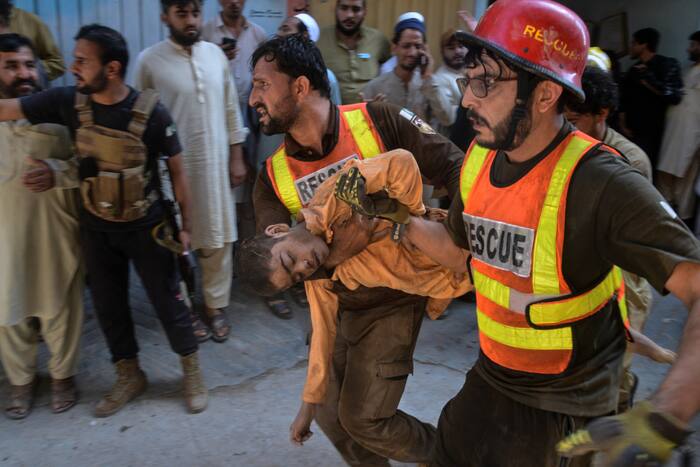
Thirty-four children and a teacher died in seconds. More than fifty others were injured, some critically, when the roofs of two classrooms gave way at a private school in the Dir Colony area of Peshawar, Pakistan, on October 15, 2026.
A school roof collapse in Pakistan is never just a freak accident. It's the predictable result of shortcuts taken years earlier, corners cut to save money, and building oversight that looks the other way until rubble covers a classroom floor. When a structure fails during morning lessons, the shock is immediate, yet the warning signs usually sat in plain sight for months or years.
What Happened in Peshawar and Why It Matters Now
Classes were underway on a Thursday morning when two classroom roofs caved in, trapping young students—most aged 13 or younger—and school staff beneath heavy debris. Emergency teams, including Rescue 1122 personnel, soldiers, and local volunteers, rushed in alongside distressed parents. Roughly 100 rescuers took part in the operation, pulling survivors out and helping evacuate at least 40 children and teachers as local hospitals declared medical emergencies.
Khyber Pakhtunkhwa Governor Faisal Karim Kundi ordered an investigation into the cause and directed authorities to prioritize care for the injured. Police also moved on accountability after the collapse.
Still, headlines about a single tragedy fade fast if people treat it as an isolated event. Earlier in 2026, in July, another roof collapsed at a tutoring center under construction in Lahore, killing four schoolchildren. Put those two incidents side by side and a pattern becomes hard to miss. Rapid urban growth, tight budgets in private and informal education spaces, and uneven enforcement of building codes create conditions where vulnerable roofs carry far more risk than families realize.
Why Classroom Roofs Fail Before Anyone Notices
When I look at structural failures in older or cheaply built commercial and educational spaces across South Asia, the same culprits show up again and again. Concrete slabs aren't magical. They rely on proper steel reinforcement ratios, adequate curing, sound load-bearing walls, and protection from water intrusion.
Skip one link in that chain and the damage often stays hidden until failure is close. Moisture seeping through unsealed roof membranes corrodes internal steel rebar over time. As rust expands, it cracks surrounding concrete and weakens bond strength from the inside out. Add an extra upper floor, heavy water tanks, or unapproved structural alterations to a building designed for lighter loads, and a margin of safety that was already thin can disappear completely.
Here's the uncomfortable truth about cost-cutting in construction: you don't see the savings on day one. You see it years later when a beam shears or a slab drops without warning. Substandard cement mixes, undersized reinforcement bars, and weak mortar don't announce themselves on a normal Tuesday morning. They just quietly wait for gravity and time to test them.
Private Schools and Informal Learning Spaces Face Unique Pressures
Demand for affordable schooling in fast-growing neighborhoods pushes many private operators into converted residential houses, rented storefronts, or hurriedly expanded buildings. Honestly, parents trying to give their kids an education often have limited choices nearby and low tuition budgets. Operators face pressure to pack more classrooms into tight footprints while keeping overhead low.
That mismatch creates a blind spot. A building might look sturdy enough from the street—fresh paint, bright signs, rows of desks—while hiding cracked lintels, damp plaster on the ceiling, or unverified structural additions upstairs. Without routine engineering audits and strict occupancy checks, minor cracks get patched with plaster instead of investigated by a structural engineer.
What Emergency Response Gets Right and Where Prevention Lags
Credit where it's due: when disaster strikes in a dense neighborhood, fast local mobilization saves lives. Officials noted that rapid evacuation efforts and coordinated rescue work helped bring dozens of children and teachers out of the Peshawar site. Having trained responders arrive quickly matters enormously during the golden hour after a collapse.
Yet rescue is the backstop, not the cure. Once rubble has fallen on classrooms full of six- to fourteen-year-olds, even the bravest rescue crew is fighting against physics. Prevention has to happen long before sirens sound—through transparent permitting, real inspections during construction, mandatory structural checks for schools, and real penalties when safety rules are ignored.
Some observers argue that stricter enforcement alone will shut down low-cost schools and hurt access to education. That's a fair concern to wrestle with—nobody wants fewer options for working families. Still, keeping kids under unsafe roofs isn't an acceptable trade-off. Practical public grants, phased structural retrofits, and clear safety checklists can help compliant schools upgrade without pricing out families overnight.
Practical Steps Parents, Educators, and Communities Can Take
You don't need a structural engineering degree to spot red flags or push for safer learning spaces. A few practical moves make a real difference right away:
- Walk the building with a critical eye: Look closely at classroom ceilings and beams for sagging, wide cracks, dark water stains, bubbling paint, or exposed steel. Don't brush off damp patches as "just monsoon marks."
- Ask direct safety questions: If you're enrolling a child or working at a school, ask when the building was constructed, whether extra floors or heavy fixtures were added later, and if a qualified engineer has signed off on structural safety.
- Watch for overcrowding and unauthorized changes: Notice if rooms have been subdivided with heavy masonry or if construction work is happening right above or beside active classes.
- Push local officials for public inspection records: Communities have every right to ask municipal authorities and education departments how school buildings are vetted and what happens when violations are found.
A safe classroom shouldn't depend on luck. Every child walking through a school door deserves a roof that holds—today, next term, and ten years from now.
Rescue 1122 operation after Peshawar school roof collapse
This news clip shows emergency responders, parents, and the aftermath at the Peshawar school site, helping visualize the scale and urgency of the rescue effort described in the article.


