Amin Nasser doesn't usually skip the big stage without a very good reason. When the CEO of Saudi Aramco, the world's largest oil producer, abruptly cancels a keynote appearance at a major international energy conference, the industry stops and stares. The official word points to the escalating conflict involving Iran, but the subtext is much louder. This isn't just about a scheduling conflict or a minor security concern. It's a calculated signal that the Middle East is entering a dangerously volatile phase where corporate diplomacy takes a backseat to national survival.
If you're watching the oil markets, you know that prices haven't just been twitchy; they've been waiting for a catalyst. Nasser's withdrawal is that catalyst. It tells us that the risk of infrastructure strikes is no longer a "what if" scenario discussed in think tanks. It's a "when" scenario that the Kingdom's top brass is actively prepping for.
The Reality Behind the Empty Chair
Aramco is more than a company. It's the central bank of oil. When Nasser stays home, it's usually because the risk of being away from the command center outweighs the benefit of shaking hands with global investors. The current friction between Israel and Iran, with the Kingdom caught geographically in the crossfire, has reached a boiling point that makes international travel a secondary priority for Saudi leadership.
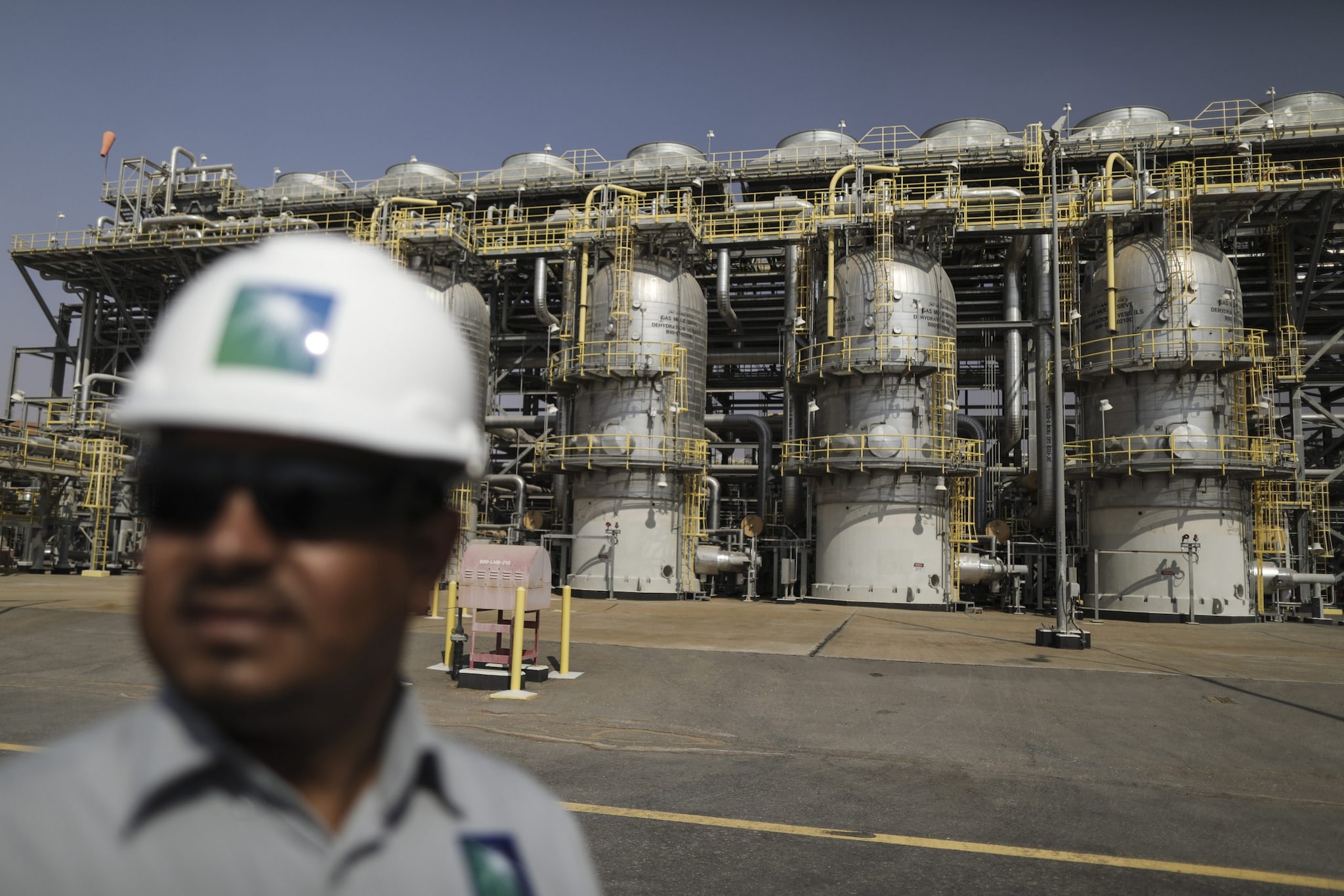
We’ve seen this play out before, but the stakes feel different now. In previous years, even during heightened tensions, Saudi officials maintained a presence to project a sense of stability. They wanted the world to believe the "oil must flow" mantra was untouchable. Pulling out now suggests that the internal assessment of a potential strike on energy facilities—specifically the Abqaiq processing plant or the Khurais field—is at its highest level in years.
I've talked to analysts who suggest this is also a move to avoid uncomfortable questions. On a public stage, Nasser would be grilled about Saudi Arabia’s exact contingency plans if the Strait of Hormuz is blocked. By staying in Dhahran, he avoids the soundbites that could further spook an already jittery market.
Security Threats to the Global Supply Chain
The primary concern isn't just a stray missile. It's the sophisticated drone and cyber capabilities that have been tested against Aramco in the past. Remember 2019? The strikes on Abqaiq took out 5% of the global oil supply in a single afternoon. Back then, the recovery was impressively fast. But a 2026 version of that conflict wouldn't be a one-off event. It would likely be a sustained campaign.
- Infrastructure Vulnerability: Despite billions spent on defense systems like the Patriot missiles and newer electronic warfare tech, the sheer scale of Aramco’s footprint makes it impossible to shield everything.
- The Drone Factor: Low-cost, high-precision drones change the math. You don't need a multi-million dollar jet to cause a billion dollars in damage.
- Regional Proximity: Iran and its proxies have a reach that spans the entire Gulf. This isn't a localized border dispute; it’s a regional shadow war that has finally stepped into the light.
The market hates uncertainty. When the man who controls the taps decides he needs to be in the bunker rather than the ballroom, the "risk premium" on a barrel of crude starts to look a lot more permanent. We're looking at a situation where $80 or $90 oil isn't about demand—it's about the cost of potential chaos.
Why Investors Should Be Worried About the Timing
The timing of this withdrawal is particularly brutal for global markets. We're currently seeing a delicate balance in supply. While the U.S. has ramped up production, it doesn't have the spare capacity that Saudi Arabia holds. If Aramco's production is throttled by conflict, there is no "Plan B" for the global economy.
Nasser’s absence also sends a message to OPEC+ partners. It signals that Saudi Arabia is shifting into a defensive posture. In this mode, the focus isn't on market share or price wars with American shale producers. It’s on maintaining the integrity of their own assets. You can't lead a cartel if your own refineries are under threat of fire.
Most people get this wrong. They think a CEO pulling out of a conference is just corporate theater. It's not. It's a risk management play. If Nasser is at a conference in London or Singapore when a major strike occurs, the optics are disastrous. He needs to be seen at the helm, literally and figuratively.
The Geopolitical Chessboard
The Saudi position has always been one of strategic ambiguity, but that’s getting harder to maintain. With Iran pushing its influence through various regional actors, Saudi Arabia is forced to pick a side or build a wall. The withdrawal from the energy conference is a brick in that wall.
It’s also a nudge to the West. By stepping back from the international stage, the Kingdom is silently reminding the U.S. and Europe that their energy security is tied directly to the stability of the House of Saud. If you want the oil, you have to help manage the threat. It’s a blunt, effective piece of diplomacy that doesn't require a single speech.
What Happens if the Conflict Escalates
We have to look at the worst-case scenario. If the Iran conflict moves from rhetoric to a full-scale maritime or aerial war, the conference Nasser missed will be the least of our problems.
- Immediate Price Spike: We’d see an instant jump in Brent crude, potentially hitting triple digits within 48 hours.
- Insurance Meltdown: Tanker insurance for the Gulf would skyrocket, effectively halting a significant portion of sea-borne trade.
- Global Inflation: Energy costs are the base layer for everything. Food, transport, and manufacturing costs would surge, undoing much of the progress made in stabilizing global economies over the last year.
Honestly, the "everything is fine" narrative is starting to fray. You don't see this level of caution from a company like Aramco unless the intelligence briefings are looking pretty grim.
How to Track the Next Moves
If you want to know what’s actually happening, stop watching the price of oil for a second and start watching the tanker movements and the flight paths of Saudi government aircraft. Actions always speak louder than a press release from a conference organizer.
You should also keep an eye on the official statements from the Saudi Ministry of Energy. They tend to be more stoic than the corporate side, but any shift in their language regarding "security of supply" is a red flag.
The move by Amin Nasser is a clear warning. The energy sector isn't operating in a vacuum of supply and demand anymore; it's operating in a war room. If you're invested in this space, you need to account for the fact that the world's most important oil executive just decided that the safest place for him to be was home.
Start reviewing your exposure to energy-dependent sectors and look for hedges. The volatility isn't going away. It's just getting started. Follow the movement of the big players—they usually see the storm coming long before the first drop of rain hits the ground. Keep your eyes on the Gulf's defense posture over the next two weeks to see if this was a temporary precaution or the start of a long-term hunkering down.