The headlines are lazy. You’ve seen them in every major financial outlet from Frankfurt to New Delhi. They claim Germany is "desperate" for Indian engineers, IT specialists, and healthcare workers to fill the void left by a graying workforce. They point to the 700,000 vacant positions as proof of a systemic collapse.
It is a comfortable narrative. It suggests that the problem is simply a math equation: Subtract one retiring German, add one recruited Indian, and the industrial machine keeps humming. If you enjoyed this piece, you should look at: this related article.
It is also wrong.
Germany doesn’t have a labor shortage. It has a management crisis and a technological refusal. The rush to import talent from India isn't a masterstroke of globalization; it is a desperate attempt to subsidize inefficient business models with cheaper, younger human capital because German boardrooms are terrified of actual innovation. For another look on this story, check out the latest update from MarketWatch.
The Empty Chair Fallacy
Economists love to talk about the "demographic cliff." They show you charts of the Erwerbspersonenpotenzial—the potential labor force—shrinking by seven million people by 2035. The "lazy consensus" says that if a chair is empty in a factory in Baden-Württemberg, the economy shrinks.
This assumes the chair needs to be there at all.
I’ve spent a decade watching Mittelstand companies—the supposed backbone of the German economy—throw money at recruitment agencies to find "affordable" talent abroad while their domestic processes are still stuck in 1998. They are looking for people to operate legacy systems that should have been automated out of existence ten years ago.
When a company says they can't find workers, what they usually mean is: "We cannot find workers willing to accept our rigid hierarchy, mediocre pay, and soul-crushing bureaucracy." By framing this as a "shortage," they shift the blame from their own lack of competitiveness onto the shoulders of demographics.
India Is Not Your Backup Hard Drive
The current strategy treats India like a vast, untapped warehouse of spare parts. It’s an insulting and structurally flawed approach.
The competitor articles focus on the "record numbers" of Indian professionals moving to Germany—now over 250,000. They celebrate the "Mobility Partnership" signed between Berlin and New Delhi. But they ignore the friction. Germany is currently the most difficult "easy" country to migrate to.
The Language Barrier Is A Productivity Tax
German leadership insists on Deutschkenntnisse (German language skills) even for roles that are entirely digital. This is a massive hidden tax on productivity. When you force a world-class cloud architect from Bangalore to spend six months mastering the genitive case before they can touch a server, you aren't "integrating" them. You are wasting their peak output years.
Countries like the UAE, Singapore, and even the US understand that English is the operating system of global business. Germany is trying to run modern software on a proprietary, localized OS and wondering why the system is lagging.
The Paperwork Fortress
I have seen brilliant developers wait nine months for a visa appointment, only to be told their degree needs a physical stamp from a specific office that only opens on alternate Tuesdays. The "Digitalization" of the German immigration office (Ausländerbehörde) is a joke that isn't funny anymore.
If Germany were truly desperate, the visa process would be a 48-hour digital handshake. Instead, it is a gauntlet designed to test the endurance of the applicant. We aren't attracting the "best and brightest" anymore; we are attracting the "most patient and desperate." Those are two very different groups.
The Automation Avoidance Syndrome
The real scandal isn't that there aren't enough people. It's that Germany's capital investment in robotics and AI is being outpaced by its neighbors.
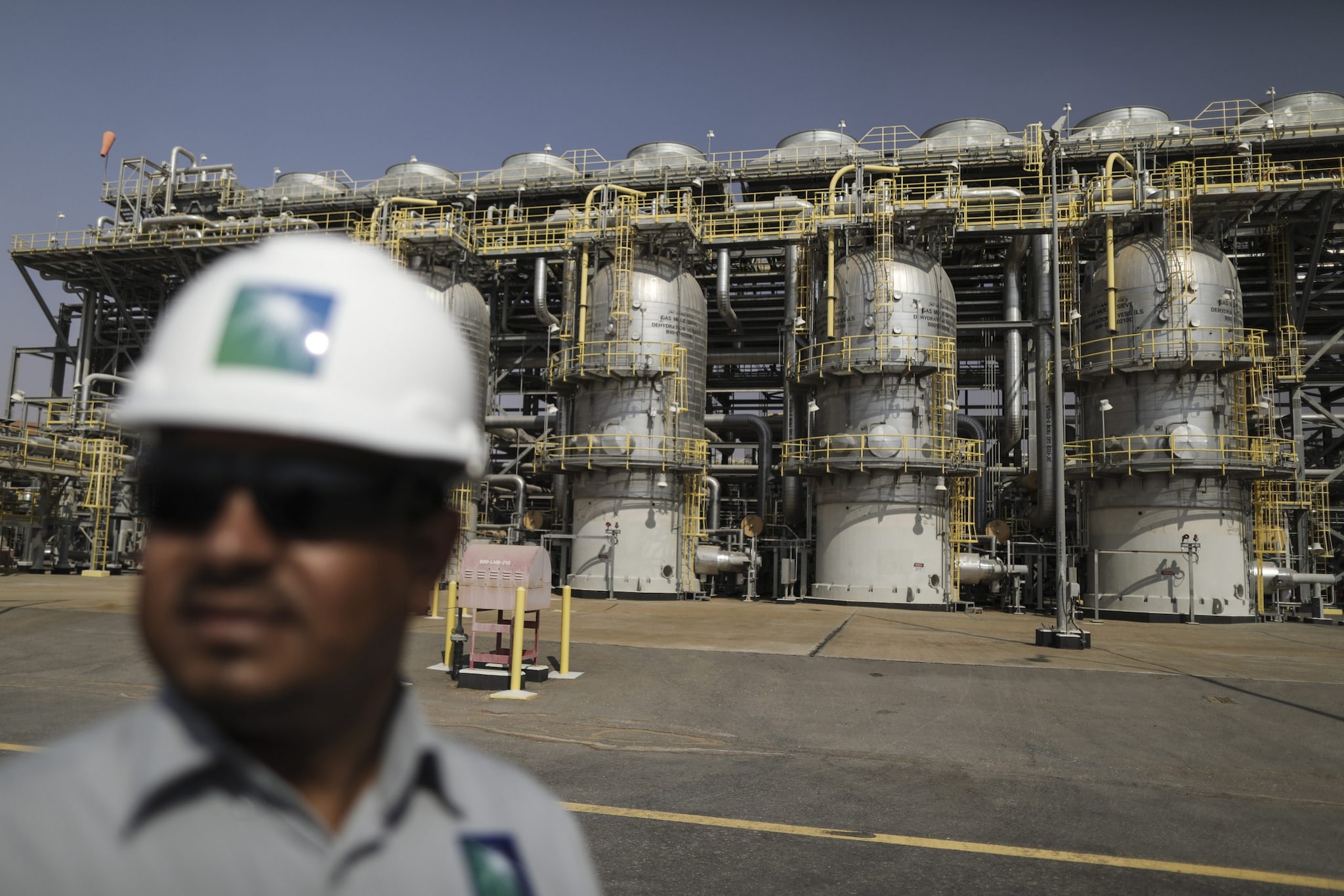
Instead of investing in the $Image of industrial automation system$ required to replace the retiring "Baby Boomer" generation, companies are trying to find humans to do the same manual tasks for less money. This is the "Low-Wage Trap."
In a healthy capitalist ecosystem, a labor shortage should drive wages up and force companies to automate. In Germany, the government is intervening to keep the labor supply "fluid" (read: cheap) so that companies don't have to face the hard truth: if your business model requires a constant influx of cheap foreign labor to survive, your business model is already dead.
The Myth Of The "Perfect Match"
The "People Also Ask" section of your search engine is filled with queries like "Which German industries need Indian workers most?"
The honest answer? None of them "need" them in the way they think.
- Healthcare: We don't need more nurses from Kerala; we need to digitize the 40% of a nurse's day that is currently spent on physical paperwork and manual data entry.
- IT: We don't need 50,000 more junior coders; we need to fire the middle managers who require three meetings to approve a single line of code.
- Manufacturing: We don't need more hands on the assembly line; we need lights-out factories.
The premise of the question is flawed because it assumes the work must be done by a human. By importing labor to fill these gaps, Germany is successfully delaying its own modernization. It’s like buying more horses because you’re too scared to learn how to drive a tractor.
The "Integration" Lie
Let’s be brutally honest about the "Experience" of the Indian worker in Germany.
You arrive in a country where the tax burden is among the highest in the OECD. You pay into a pension system that you might never benefit from. You face a housing market in cities like Munich or Berlin that is essentially a closed shop. And despite your high qualifications, you are often viewed through the lens of "functional migration"—you are here to work, not to belong.
I've talked to Indian engineers who left Germany after two years. Why? Not because of the work, but because of the "Glass Ceiling of Culture." The German corporate structure is still heavily based on "Stammbaum" (pedigree) and time served. The idea of a 30-year-old Indian CTO at a DAX company is still treated as a radical fantasy.
If you are a high-performer in Hyderabad, why would you choose the bureaucracy of Berlin over the dynamism of Dubai or the wealth-building potential of Texas? Germany is currently winning the "Middle-Tier Talent" war while losing the "Elite Talent" battle.
Stop Recruiting Start Retooling
If I were advising the German Ministry of Labor, my advice would be "stop."
Stop the marketing campaigns in India. Stop the "Join Germany" roadshows.
Instead, do three things that actually matter:
- Mandate English as a Second Official Language for Business: Make it illegal for a government office to refuse a visa application or a tax filing because it was submitted in English.
- The "Automation or Die" Tax Credit: Provide massive, immediate tax breaks for any company that replaces a retired worker with a machine or an AI agent rather than a new hire.
- Scrap the Degree Requirement: If an Indian developer can pass a high-level technical test, why do we care about their 15-year-old university certificate? The "Anabin" database is a relic of a time when credentials mattered more than capabilities.
The Cost of Being Wrong
The downside to my contrarian view is obvious: it’s painful. Automation is expensive. Transitioning to an English-first business culture is an ego-bruiser for a proud nation. Letting "uncompetitive" companies fail because they can't find workers is politically risky.
But the alternative is worse.
The alternative is a Germany that becomes a "Museum Economy." A place that looks impressive from the outside, but where nothing new is built, and where the only thing keeping the lights on is a rotating door of migrant workers who realize within eighteen months that they were sold a bill of goods.
Germany doesn't need more people. It needs more courage to let go of the way things used to be. The labor shortage is a ghost. Stop trying to hire it and start trying to outgrow it.
Fix your code. Fix your machines. Stop blaming the birth rate for your lack of imagination.