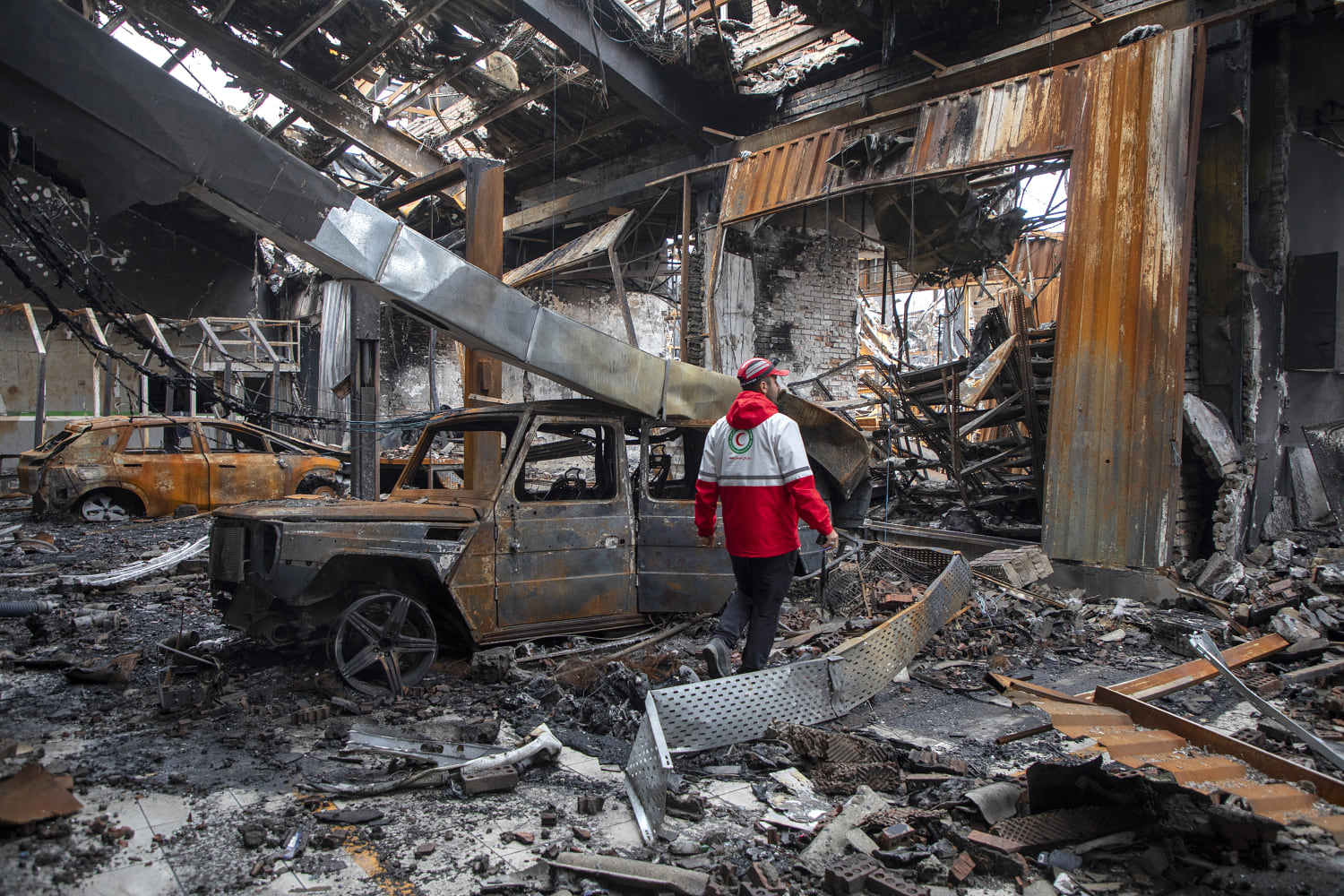
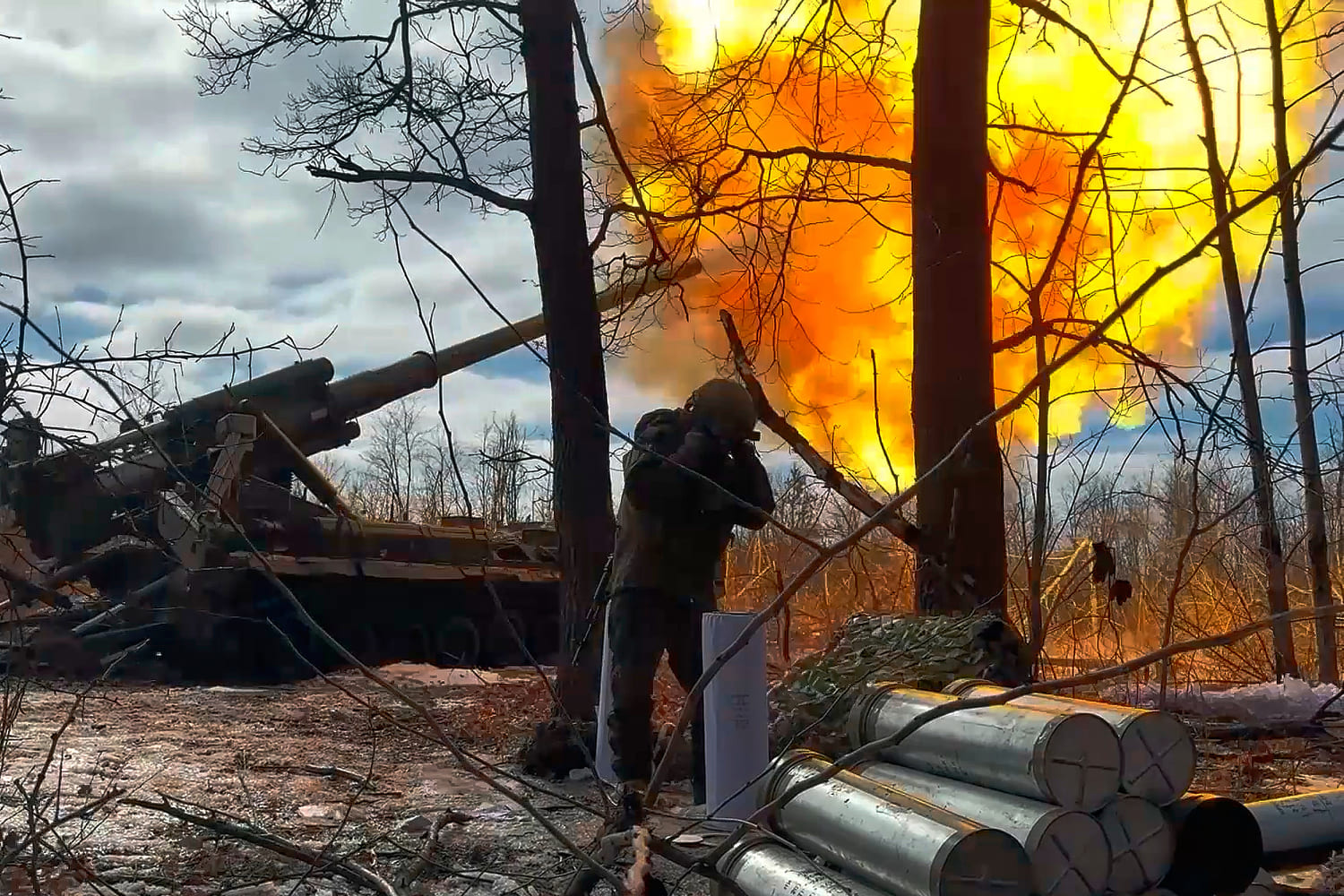
Vladimir Zelenskyy isn't just sounding an alarm; he's describing a tectonic shift in global security that most Western capitals are still trying to process. The Ukrainian President recently dropped a bombshell regarding the depth of the "partnership" between Moscow and Tehran. It's no longer just about cheap Shahed drones clattering through the midnight sky over Kyiv. We're looking at a sophisticated, high-stakes exchange where Russia is reportedly sharing sensitive intelligence and nuclear technology in return for Iranian ballistic missiles.
This isn't some vague diplomatic worry. It's a survival pact between two pariah states that have decided their best path forward is to set the world on fire together. If you think this is just a local problem for Ukraine, you're missing the bigger picture.
The Cold Math of the Russia Iran Intelligence Exchange
Russia needs boots on the ground and steel in the air. Ukraine’s defense has ground down the Russian military machine to a point where the Kremlin is desperate. Iran, meanwhile, has been itching for a seat at the big kids' table of military tech for decades. They’ve finally found their opening.
Zelenskyy’s recent briefings clarify that the "intel sharing" isn't just about troop movements or satellite photos. It involves Russia handing over data on Western weapon systems captured on the Ukrainian battlefield. Think about that for a second. Every piece of high-end American or European tech that falls into Russian hands is likely being studied, documented, and the blueprints or vulnerabilities are being shipped straight to Tehran.
Iran gets to learn how to defeat the very systems the U.S. and its allies rely on to keep the Middle East stable. In exchange, Russia gets the Fath-360 and other short-range ballistic missiles. These aren't drones you can shoot down with a heavy machine gun. They’re fast. They’re precise. They’re designed to overwhelm air defenses.
Why the Nuclear Angle Changes Everything
The most chilling part of Zelenskyy’s warning involves the "technical secrets" Russia is passing back. For years, the global community tried to keep a lid on Iran’s nuclear ambitions through the JCPOA and various sanctions. Russia was, at least on paper, part of that effort.
That’s over.
Reports now suggest Russia is assisting Iran with its nuclear program and space launch technology. This is a massive "thank you" for the thousands of drones and the fresh supply of missiles hitting Ukrainian cities. Russia has decades of experience in miniaturizing warheads and perfecting missile reentry. If they share even a fraction of that with the IRGC, the "breakout time" for an Iranian nuclear weapon doesn't just shrink—it effectively vanishes.
We’re seeing the birth of a new kind of proliferation. It’s transactional. Russia isn't doing this because they love the Iranian regime. They’re doing it because they’re broke, isolated, and need to kill Ukrainians today. They’re willing to gamble with the long-term stability of the Middle East to win a trench in Donbas. It’s short-sighted, reckless, and incredibly dangerous.
The Impact on Global Air Defense
When Russia fires Iranian missiles, they aren't just trying to hit a power plant. They’re conducting a live-fire laboratory test. They want to see how Patriot batteries or IRIS-T systems react to specific flight patterns.
Every launch provides data.
- Saturation Tactics: Using cheap drones to drain expensive interceptors.
- Trajectory Manipulation: Learning how to bypass Western radar.
- Electronic Warfare: Testing how Russian-Iranian jamming affects GPS-guided munitions.
Russia and Iran are essentially crowdsourcing a manual on how to break Western defense umbrellas. Zelenskyy has been blunt about this: Ukraine is the testing ground, but the results will be used elsewhere. Whether it’s the Persian Gulf or the South China Sea, the tactics being perfected in the skies over Kharkiv will be exported.
The West is Playing Catch Up
Let’s be honest. The response from the U.S. and Europe has been tepid. We see new sanctions every few months, but sanctions don't stop a missile from being loaded onto a cargo plane in Tehran. The "red lines" regarding long-range strikes into Russia have only emboldened the Moscow-Tehran axis.
By the time the West decides to get serious about these supply lines, the technology transfer will already be complete. You can’t "un-share" nuclear physics or satellite data. Once that information is in Iranian hands, the leverage the West once held is gone.
Russia has signaled that it no longer cares about the "rules-based order." They’ve traded their status as a responsible nuclear power for a crate of Iranian missiles. It’s a desperate move, but desperate moves are often the most lethal.
What Actually Needs to Happen
Stopping this isn't about more strongly worded letters from the UN. It requires a fundamental shift in how we view the Ukrainian front.
You have to treat the Iranian supply chain as a direct extension of the Russian military. That means targeting the logistics. It means making the cost of transporting these weapons so high that even the IRGC has second thoughts. It also means giving Ukraine the capability to destroy these missile caches before they’re even launched.
Waiting for "confirmation" or "further evidence" is a luxury we don't have. Zelenskyy’s intelligence isn't just a cry for help; it’s a roadmap of the next decade’s conflicts. If Russia succeeds in upgrading Iran’s military and nuclear capabilities in exchange for a temporary advantage in Ukraine, the world becomes a much more volatile place for everyone.
Keep an eye on the Caspian Sea shipping routes. That’s where the real damage is being done. Watch the flights between Moscow and Tehran. If the West doesn't find a way to sever that link, the "intelligence sharing" Zelenskyy describes will become the blueprint for a new, much darker era of international relations. The time for half-measures ended when the first Iranian missile touched down on Ukrainian soil. It's time to act like we understand the stakes.