Indonesia is purchasing Russian crude oil not because the government seeks to antagonize the European Union, but because the domestic arithmetic of fuel subsidies leaves them few alternatives. When the global price of energy spikes, the Indonesian state budget faces an existential threat. For Jakarta, importing cheaper Russian fuel is a mechanism to keep the domestic economy from stalling. It is an exercise in survival, not a geopolitical statement.
Western observers often mistake Indonesia’s independent foreign policy for a lack of alignment. This analysis misses the mark entirely. Indonesia operates on a doctrine of being "independent and active." The nation has maintained this stance since the Cold War. It refuses to pick sides because doing so would expose its fragile fiscal health to the volatility of global markets.
The Subsidy Trap
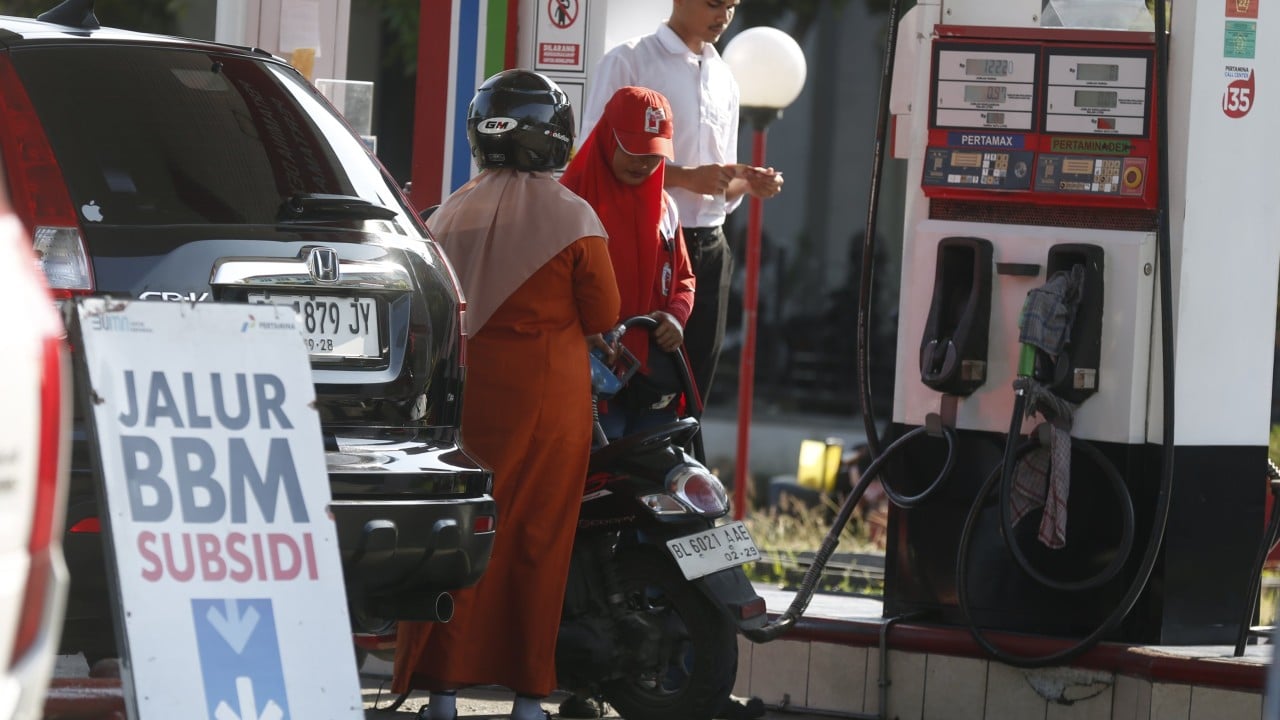
To understand why Indonesia defies Western calls to shun Russian energy, one must look at the state of the domestic fuel market. Pertamina, the state-owned oil and gas giant, acts as the primary firewall between global market prices and the Indonesian consumer. The government sets the price of gasoline and diesel at the pump. When global prices rise, the government must cover the difference between the actual cost and the price citizens pay.
This creates a massive fiscal burden. In 2022, as global energy markets entered a period of extreme volatility, Indonesia’s subsidy bill skyrocketed. The government was forced to increase fuel prices to avoid bankruptcy, triggering street protests and cooling economic activity. The political cost was high. President Joko Widodo and his successors understand that fuel prices are the primary driver of inflation in the archipelago.
If the government can source oil at a discount, it protects the national budget. Russian crude has been trading at a discount compared to Brent or Dubai benchmarks due to Western sanctions. For a price-sensitive importer, this discount is impossible to ignore. It is not an ideological endorsement of Russian policy. It is simple cost-management.
The Refinery Bottleneck
There is another, less discussed factor in this equation. Indonesia’s refining capacity is not built for high-end, light crude. Much of the nation’s aging infrastructure is optimized for heavier, sourer blends. Changing these operations takes years and billions of dollars in capital investment.
When Indonesia looks for suppliers, it is not just scanning a list of allies. It is scanning a list of refineries that can provide specific grades of crude compatible with its existing infrastructure. Russian suppliers, struggling to move their product elsewhere, have been willing to accommodate these specific needs at attractive terms. This is a technical alignment of supply and demand, not a political one.
Western pressure to divert these purchases to Middle Eastern or African suppliers ignores the physical reality of the Indonesian energy sector. Replacing those barrels requires time, new contracts, and, crucially, a willingness to pay higher premiums. The Indonesian finance ministry has no appetite for that added expense.
The Myth of Defiance
The narrative of "defiance" is a construct of Western media outlets that view global relations through a binary lens. They interpret the absence of sanctions as the presence of opposition. This ignores the reality of the Global South, where nations prioritize developmental goals over the security architecture of the Atlantic alliance.
Indonesia’s leadership views the conflict in Ukraine as a European tragedy, not an Asian one. They want the conflict to end, but they are unwilling to pay the bill for the sanctions regime. When the EU demands that Indonesia cut ties with Russian energy, the request lands on deaf ears in Jakarta. The Indonesian government argues that the European energy crisis should not become an Indonesian economic crisis.
There is also the matter of historical memory. Indonesia’s leadership remembers the 1998 Asian Financial Crisis. They remember what happens when the global financial system decides a nation is a risk. They value autonomy above all else. Relying on a single block of suppliers—even if those suppliers are Western allies—is viewed as a structural risk. Diversification, regardless of the political cost, is seen as the only way to ensure long-term energy security.
Assessing the Risks
This strategy is not without danger. Jakarta is aware that the United States and the EU could impose secondary sanctions. While there has been no official push to target Indonesia for buying Russian oil, the threat looms in the background of diplomatic meetings.
If the West decides to escalate, the cost of doing business with Russia could outweigh the savings. Indonesian banks, for instance, are cautious. They do not want to be cut off from the SWIFT system or face retaliatory measures from US regulators. This forces a delicate balance. Pertamina is careful to keep these transactions opaque. They use a range of intermediaries to ensure that payments do not trigger automatic red flags in the global financial system.
The government is also accelerating efforts to move toward renewable energy, specifically geothermal and solar. This is not driven by environmental idealism. It is driven by the desire to end the dependency on imported fossil fuels entirely. The goal is to reach a state where energy shocks from distant wars do not dictate the purchasing power of the average Indonesian citizen.
Until that transition is complete, the status quo will remain. Indonesia will continue to buy the cheapest oil it can find. It will continue to navigate the friction between its economic needs and its international obligations.
The pressure from the West will continue. So will the imports.
The policy of non-alignment has served Indonesia well for decades. It is unlikely to change now, regardless of the criticism from Brussels or Washington. Every cargo ship that arrives at an Indonesian refinery with discounted crude is a reminder that national interest almost always trumps geopolitical posturing. The government will take the fuel, keep the pumps running, and continue to prioritize the domestic bottom line above all else. This approach is not going to shift because of diplomatic pressure. It is baked into the foundation of Indonesian economic planning. The next shipment is likely already on its way, secured by the same cold, hard arithmetic that has defined Jakarta’s strategy from the start.