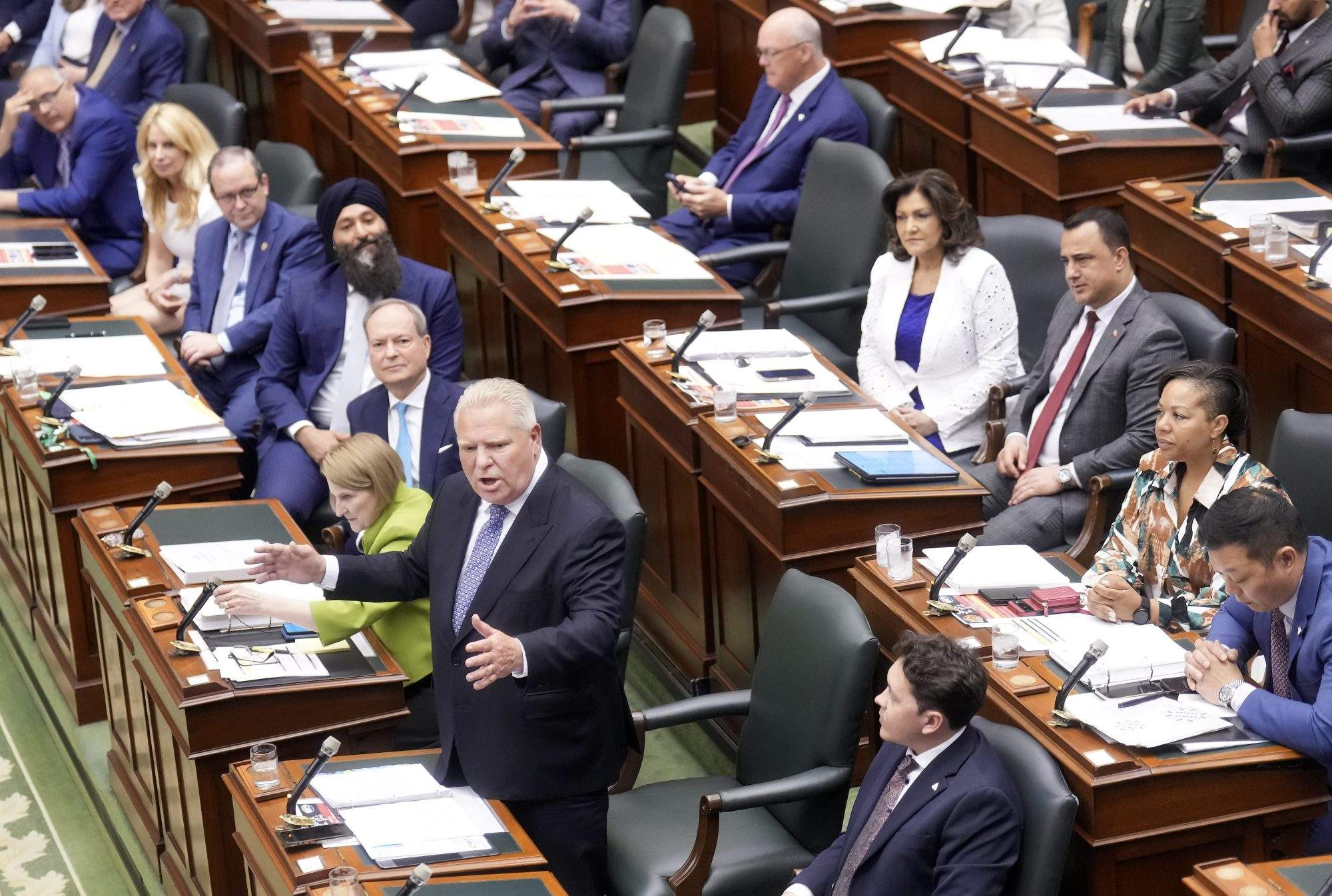
Elected officials in Ontario just clocked out for a staggering 21 weeks. While you figure out how to pay for groceries, gas, and soaring rent, your members of provincial parliament are ghosts at Queen's Park.
The Ford government shuttered the legislature in early June, locking the doors until late October. That amounts to nearly five months of radio silence from the people you hired to represent your voice. Premier Doug Ford defends the marathon recess as a chance to get actual work done outside Toronto. Opposition leaders call it something else entirely. They call it dodging accountability. Recently making headlines lately: The Empty Shelves of Empire.
The Mathematics of Missing in Action
Let us look at the raw numbers. Before heading off to their extended summer hibernation, the legislature sat for a remarkably brief window. Couple that with a 14-week winter pause, and you realize how little time your elected representatives actually spend debating laws on the floor.
When the house sits for only a few dozen days a year, the mechanics of democracy grind down. Critics point out that 124 MPPs are supposed to amplify the concerns of 16 million Ontarians. Shuttering the chamber removes the primary venue for direct, on-the-record questioning. More insights regarding the matter are explored by TIME.
Government House Leader Steve Clark argued that returning any earlier would interfere with municipal elections across the province. Critics find that explanation tough to swallow. Local municipal races happen every four years, and matching the legislative calendar to avoid lawn signs feels like a convenient excuse to dodge tough questions about healthcare, education funding, and cost-of-living pressures.
Accountability Evaporates in the Summer Heat
Every government hopes public attention drifts when the weather gets warm. People are camping, planning family road trips, and trying to forget about politics. But the timing matters because crises do not take a seasonal holiday.
When housing affordability remains a daily emergency and healthcare systems face acute strain, shutting down the legislature sends a terrible signal. Opposition figures like Interim Liberal Leader John Fraser and NDP Leader Marit Stiles have repeatedly hammered the administration for locking the doors. They argue that silencing the legislature silences everyday citizens who rely on question period to force transparency.
Ford insists his work ethic is unmatched, pointing to community events and constituency outreach. Traveling across the province has its place, but local tours do not replace the accountability of a legislative assembly. You cannot cross-examine a premier on a festival stage the same way opposition critics can across the floor of the legislature.
What This Means for You
Long recesses shift the political dynamic heavily toward the executive branch. Without the daily friction of question period, ministries operate with minimal immediate oversight. Decisions get made behind closed doors without the immediate threat of a legislative showdown.
If you want change in Ontario, waiting for politicians to return to Queen's Park is only part of the equation. Democracy happens between elections, and keeping pressure on local representatives while they are out of the office is the only way to ensure your voice does not stay locked out for five months.
Drop the passive approach to civic engagement. Call your MPP's local constituency office today, demand answers on local service cuts or cost-of-living relief, and let them know that a five-month vacation from accountability does not go unnoticed.