September smells like old paper and cooling asphalt. In school districts across the country, hallways bloom overnight with butcher-paper bulletin boards. Staplers click. Construction-paper sombreros go up next to die-cut guitars. Someone's aunt brings in a tray of store-bought pastelitos, and for four weeks, a continent's worth of complicated history is condensed into a calendar slot.
We call it Hispanic Heritage Month.
It starts on the fifteenth of September, slicing right through the middle of the calendar year like an afterthought, bridging the independence days of Costa Rica, El Salvador, Guatemala, Honduras, Nicaragua, Mexico, and Chile. The arithmetic of it was always bureaucratic. In 1968, Congress authorized a modest week. Twenty years later, they stretched it to thirty-one days. A worthy gesture, hatched in an era of demographic check-boxes, designed to quiet the rumblings of communities demanding to be seen by a state that usually only noticed them as census variables.
Yet, every autumn, a familiar fatigue settles over the people being celebrated.
Imagine standing in a room where everyone is applauding your shadow while you are trying to pay the rent. Imagine being told that your culture is a guest speaker invited for a single assembly period, after which the chairs are stacked against the gym wall and normal life resumes.
The idea wasn't doomed because the heritage is weak. It was doomed because containment is impossible. How do you cram five hundred years of overlapping Indigenous roots, African diasporas, European conquests, and modern immigrant grit into a designated corporate sprint? You cannot. The container bursts.
Consider what happens when a culture is treated as a seasonal product, much like pumpkin spice or winter coats. The edges get sanded down. The accents are either heavily caricatured or aggressively flattened. Complex political realities—the bitter fractures of colonial borders, the quiet dignity of domestic workers who keep urban centers breathing, the brilliant, fractured poetry of Spanglish—are ironed out into a safe, palatable menu of tacos, salsa, and sanitized biographies of dead heroes.
The architects of these commemorative months meant well. Recognition matters. When a child sees a surname like theirs printed in a textbook outside of a chapter on migrant labor or drug cartels, something shifts behind their ribs. A door cracks open.
But permanence cannot live in a month.
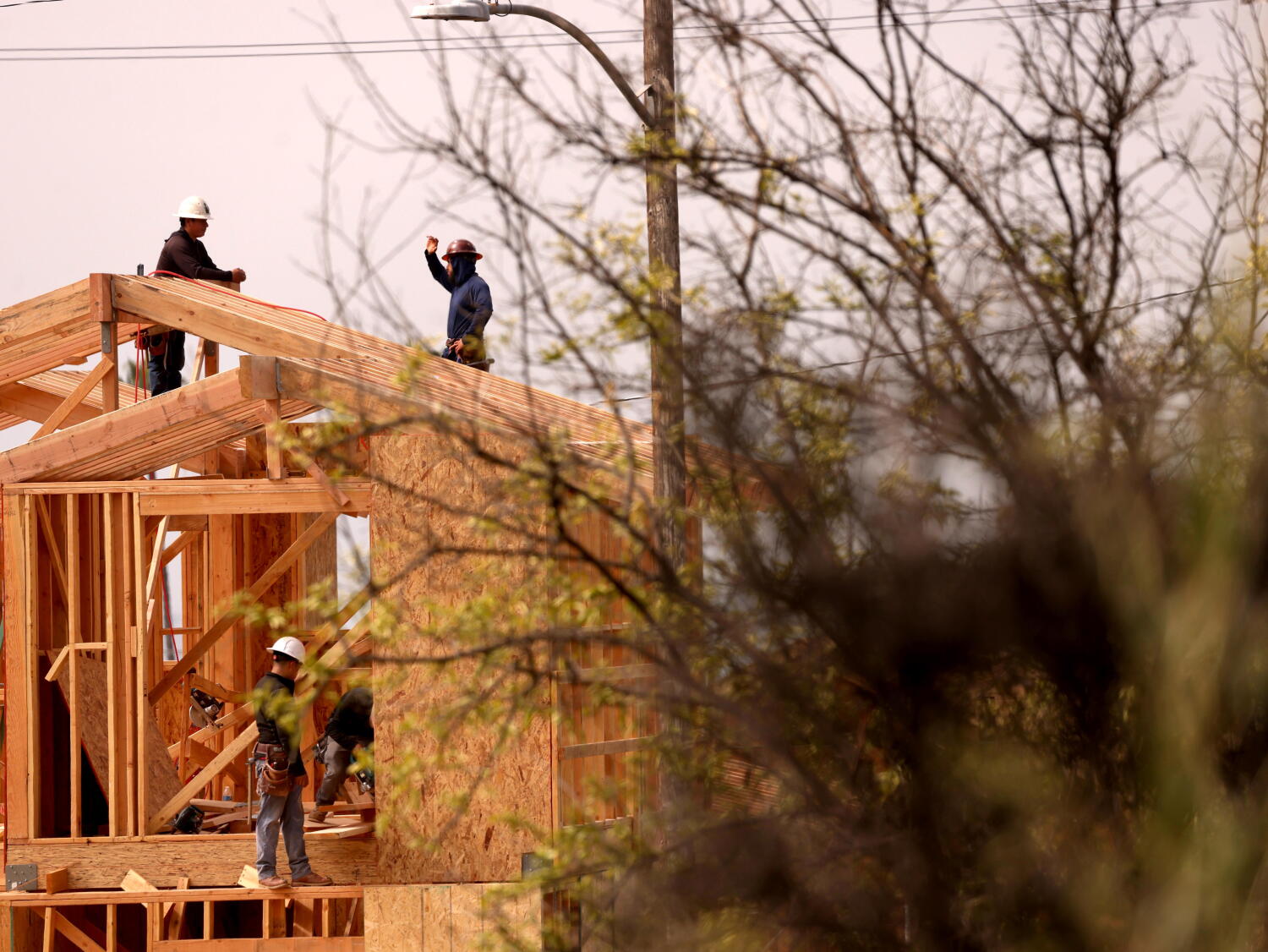
History is not a seasonal crop. It is the water in the pipes. It is the language whispered across linoleum kitchen tables at midnight. It is the calloused hands of a grandmother who crossed a desert with three words of English in her pocket and built a dynasty out of dry-walling and prayer.
When we reduce this massive, multi-hued mosaic to an annual observance, we invite erasure under the guise of inclusion. We let institutions off the hook. A corporation can buy a banner for thirty days, hand out churros in the breakroom, run a bilingual Instagram caption, and then spend the remaining eleven months donating to political candidates who treat those same employees as political footballs.
That is why the original premise feels hollow to those who live it. It asks for gratitude for a crumb while the bakery remains locked.
The antidote is not discarding the celebration. The antidote is refusing to let it be a cage.
We need to stop talking about Hispanic heritage as if it were a fragile antique brought out of a protective glass case once a year. It is loud. It is stubborn. It is Black, Indigenous, white, mestizo, queer, and traditional. It is the bodega owner in Queens who remembers every customer's name and credit history. It is the astrophysicist at NASA who grew up translating bills for her parents in a cramped apartment in Hialeah. It is the teenager in East LA mixing cumbia beats with trap rhythms because boundaries are meant to be crashed.
When the calendar flips to October, these lives do not evaporate. The language does not pack its bags. The contribution does not expire.
The mistake was ever thinking a month could hold all of that. You cannot bottle a hurricane. You can only learn to build better houses, or better yet, learn how to dance in the wind.
The bulletin boards will come down by November. The construction paper will fade in the autumn sun. But out in the streets, beneath the graying light of an early winter dusk, the kitchens are already warm, the radio is playing a scratchy vinyl record from 1974, and the conversation continues, entirely uninterrupted by permission.