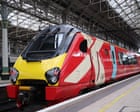
A single localized electrical failure can bring down a massive national transportation network in minutes. That is the harsh reality thousands of travelers faced when CrossCountry was forced to cancel nearly all of its rail services following a heavy power outage at its primary control hub.
When the building housing the Birmingham control centre lost power, it wasn't just the lights that went out. The vital digital infrastructure, signaling feeds, and coordination dashboards that dispatchers rely on went completely dark. Modern railways run on software and centralized data just as much as they run on steel tracks. Take away the screens, and the entire system grinds to an immediate halt.
The Domino Effect on National Travel
The disruption hit major arteries across Great Britain with brutal efficiency. Popular long-distance routes linking Manchester to Birmingham, Glasgow to Edinburgh, Cheltenham to Cardiff, and Newcastle to Edinburgh were effectively paralyzed. Commuters and ticket-holders stood stranded on platforms, staring at blank departure boards or getting error messages on mobile travel applications.
The fragility of centralized dispatch architecture becomes glaringly obvious during incidents like this. When a single control room acts as the choke point for an entire national franchise, any infrastructure failure in that specific building triggers a cascading collapse. Alternative manual workarounds exist, but safety regulations and the sheer velocity of modern timetables mean staff cannot safely run trains at full capacity without their digital tools. Network Rail rushed emergency power teams to the Birmingham site, but restoring high-tech administrative systems takes hours of diagnostic checks.
How to Protect Your Journey When the Network Fails
Mass cancellations throw schedules into total chaos, but knowing your passenger rights helps minimize the headache. If you are caught out by sudden network meltdowns, standard compensation and ticket-acceptance rules apply to keep you moving.
CrossCountry confirmed that tickets purchased for travel during the outage remain valid on alternative services operated by other companies. Major operators like London North Eastern Railway and Chiltern Railways stepped in to accept stranded tickets across reasonable alternative routes. Furthermore, tickets stayed valid for cross-network travel for a multi-day grace period, giving delayed passengers flexibility.
If your journey faces severe delays or total cancellation, you don't have to absorb the financial loss. Passengers experiencing delays exceeding thirty minutes can claim compensation through the Delay Repay scheme, while anyone opting out of travel entirely can secure a full refund directly from their point of purchase.
Check live National Rail updates before leaving home, keep your physical or digital receipts handy, and always look for cross-operator ticket acceptance agreements the moment a major line goes down.