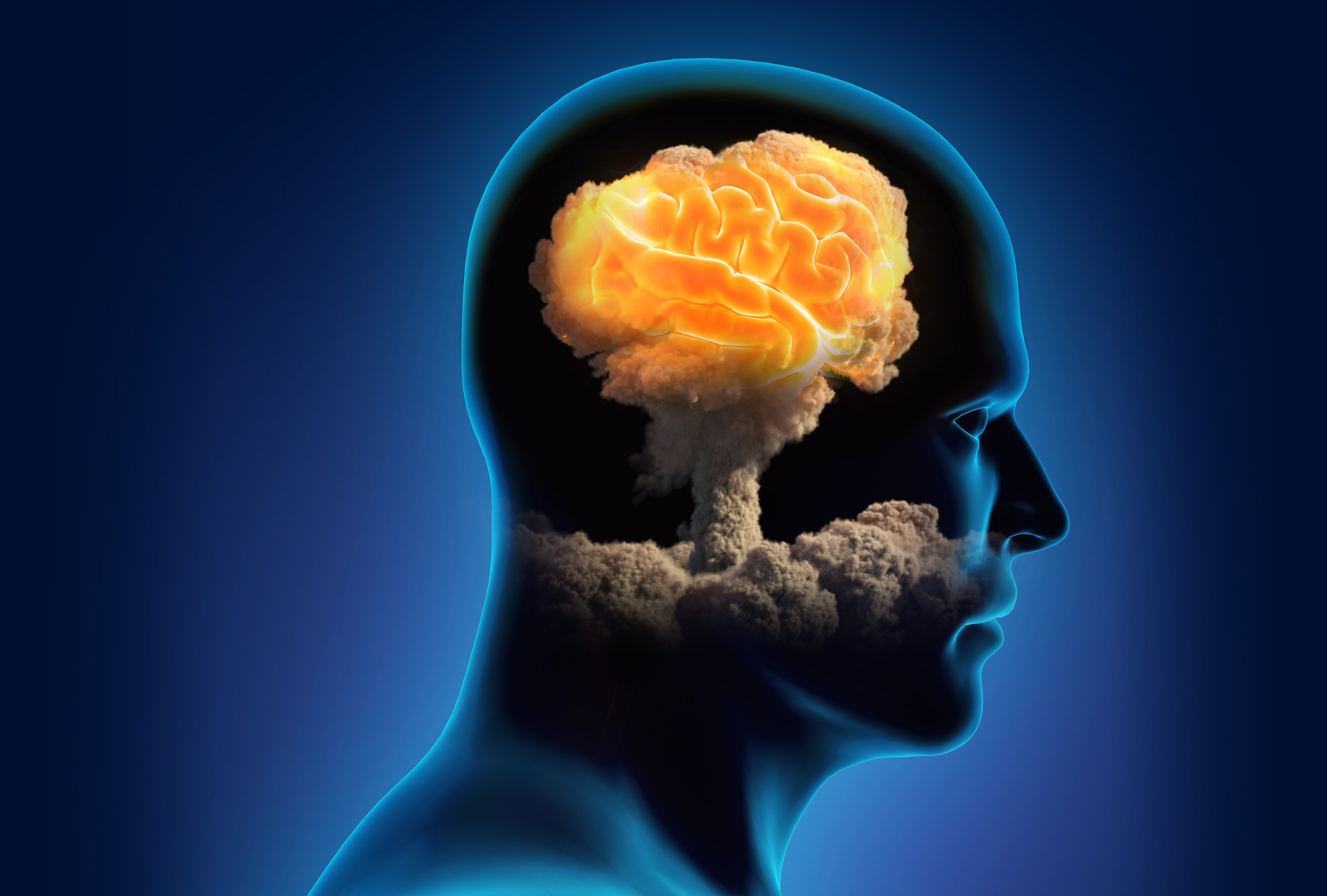
The sound did not belong to the desert. In Dubai, the nights are usually a symphony of humming air conditioners and the distant, rhythmic shush of tires on the Sheikh Zayed Road. It is a city that feels engineered for absolute control. But in the early hours of this morning, that control fractured. A series of loud explosions ripped through the silence, vibrating the glass of the Burj Khalifa and shaking the foundations of the villas in the suburbs.
People woke up. They didn’t wake up to an alarm; they woke up to the primal instinct that something had shifted in the air. On social media, the feed became a frantic scroll of "Did you hear that?" and "What was that flash?" It was the sound of geopolitical tension finally finding a voice, a physical manifestation of the shadow boxing that defines the modern Middle East. For a moment, the shimmering facade of the world’s most ambitious city felt fragile.
Imagine a hotel manager in the Marina. Let’s call him Omar. Omar has spent a decade building a life in a city that promises safety as its primary currency. When those blasts echoed across the water, his first thought wasn't about international relations. It was about his guests. It was about the breakfast service. It was about the thin, invisible thread of confidence that keeps a global hub spinning. If the world thinks Dubai is loud for the wrong reasons, the music stops.
The Anatomy of a Shockwave
The explosions weren't an isolated incident of chaos. They were a symptom. As the smoke cleared and the official reports began to trickle in—mentioning intercepted projectiles and drone activity—the reality of the conflict between regional powers and non-state actors became undeniable. This isn't just about military hardware. It is about the psychology of a marketplace.
Dubai and Abu Dhabi are built on the premise of being the "safe harbor." When that harbor sees ripples, the ripples move through bank accounts and supply chains across the globe. The noise wasn't just a physical event; it was a stress test for the entire United Arab Emirates.
Consider the sheer complexity of defending a skyline that reaches for the clouds. Every time a siren wails or a battery of interceptors fires, a massive invisible machinery of defense and diplomacy is grinding behind the scenes. The UAE has invested billions into a shield that most residents never have to think about. Until today. Today, the shield was audible.
The Central Bank’s Quiet Counter-Strike
While the military was looking at the sky, the bankers were looking at the screens. Fear has a specific smell in the financial world. It smells like a sell-off. It smells like capital flight.
The UAE Central Bank didn't wait for the dust to settle. They launched what they called a "resilience package." It’s a dry term for a desperate and vital operation. Think of it as a massive, digital adrenaline shot to the heart of the economy. They knew that the explosions could trigger a different kind of blast: a collapse in lending or a spike in interest rates driven by pure, unadulterated nerves.
They flooded the system with liquidity. They loosened the requirements for banks to hold onto cash, essentially telling the financial institutions, "Keep the money moving. Don't freeze." It was a message to every small business owner and every international conglomerate: the ground might have shaken, but the vault is steady.
Living on the Edge of a Miracle
There is a strange, haunting beauty to life in the Emirates. You are living in a miracle of glass and steel carved out of one of the harshest environments on Earth. But miracles require constant maintenance.
For the expatriates who make up the vast majority of the population, the news of explosions brings a specific kind of vertigo. They are here for the dream of the future. When the present starts to sound like a war zone, the dream flickers. You see it in the way people gathered at coffee shops later that morning. The conversations were hushed. There was a desperate need to normalize the abnormal.
"It was probably just a sonic boom," someone says, knowing full well it wasn't. We lie to ourselves to keep the gears turning. We have to. Because the alternative is acknowledging that we are all living within range of a history that refuses to stay in the past.
The resilience package is a bridge. It’s a bridge built of paper and policy to get the country across a canyon of uncertainty. But bridges only work if people are willing to walk across them. The real test isn't whether the Central Bank can print confidence; it's whether the person sitting in an office in Downtown Dubai believes that tomorrow will be as quiet as yesterday.
The Invisible Stakes
We often talk about "geopolitical risk" as if it’s a weather pattern. We see it on a map with colored arrows and shaded regions. But the risk is actually a human one. It’s the risk of a father deciding not to renew his lease. It’s the risk of an investor moving their portfolio to Singapore or London. It’s the risk of a city losing its soul to the gravity of conflict.
The explosions in Dubai and the subsequent financial maneuvering in Abu Dhabi are two sides of the same coin. One is the threat; the other is the response. One is the fire; the other is the blanket.
The sun set over the Gulf today just as it always does, casting long, orange shadows across the dunes and the highways. The malls were full. The fountains at the base of the Burj Khalifa danced to their scheduled music, oblivious to the fact that hours earlier, the air they sprayed had been thick with the scent of cordite.
Stability is an act of will. It is something that must be defended every single hour, not just with missiles, but with balance sheets and bravery. The explosions are a reminder that the desert is never truly silent. It is always waiting. And the city is always building, faster than the noise can catch up.
A single crane stood still against the darkening sky, its arm outstretched over a half-finished luxury tower, a silent skeleton waiting for the workers to return and prove, once again, that the future is worth the noise.