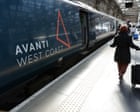
Commuters across Britain just dodged another travel nightmare. Avanti West Coast drivers accepted a brand new pay deal, stopping potential strikes on some of the busiest tracks in the country.
If you regularly travel between London, Manchester, Birmingham, and Glasgow, you can breathe a sigh of relief. The threat of widespread walkouts is off the table. But the story behind this settlement goes much deeper than a simple agreement on wages. It touches on political pressure, inflation math, and the changing reality of Britain's rail network.
Breaking Down the Numbers
The deal itself centers on a single-year wage increase of 3.6 percent. That figure sits 0.7 percentage points higher than the latest inflation rate, giving drivers an above-inflation bump that unions demanded.
Negotiated between Avanti West Coast and the Associated Society of Locomotive Engineers and Firemen (Aslef), the package includes specific operational changes:
- Time-and-a-half pay for working Sunday shifts.
- Up to £720 extra for drivers picking up a fifth working day in a week.
- Approval granted directly through the Department for Transport Operator (DFTO).
This agreement marks the first major train driver pay deal approved under the current premiership, landing right as attention focuses heavily on northern transit corridors.
Why This Route Matters So Much
Avanti West Coast handles some of the most critical economic arteries in the UK. The London-to-Manchester line carries heavy corporate and political traffic, especially with the establishment of the No 10 North office pulling ministers up from the capital.
When Aslef announced plans in late June to ballot members for industrial action, the prospect of canceled services triggered immediate panic among business groups and regular passengers alike. Avanti already faces intense scrutiny over punctuality metrics from the Office of Rail and Road. Adding strikes to chronic delays would have crippled travel schedules.
Critics have already jumped on the settlement. Shadow transport secretary Richard Holden argued that the administration is "totally capitulating to their union paymasters" and warned that taxpayers are footing the bill to avoid political embarrassment.
On the flip side, government representatives defend the move. Officials insist the priority was keeping the network functional and avoiding the hundreds of millions in lost economic revenue that comes with halted services.
The Broader Railway Picture
This deal doesn't exist in a vacuum. The wider backdrop involves the planned return of rail operators to public ownership, with Avanti scheduled for renationalization by spring 2027 and other operators following suit by the end of that year.
Union leaders view the agreement as a straightforward win for member conditions. Train operators and government transport bodies hope it buys stability on a network that desperately needs reliable day-to-day execution.
Check your timetables before heading to the station this week. Services are running normally, and the immediate threat of disruption has cleared. Expect negotiations across other operators to reference this 3.6 percent benchmark as unions eye upcoming contract renewals.