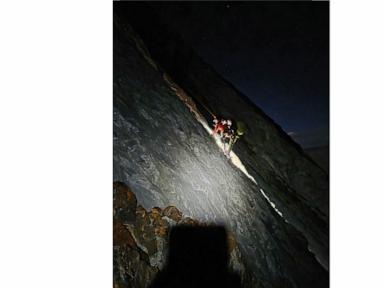
The phone rings at three in the morning. For a veteran mountain rescue coordinator in California's Sierra Nevada, that sound does not mean sleep; it means calculating odds against hypothermia, vertical rock, and diminishing daylight. A lone climber is stranded on a narrow granite ledge somewhere above ten thousand feet. Darkness has pinned them down. Wind is stripping the body heat away by the minute.
Volunteer rescue teams in the Sierra Nevada recently completed another harrowing extraction, plucking a stranded climber from a perilous ledge in California's high country. But this headline-grabbing save masks a more troubling reality. Backcountry emergencies across the Sierra Nevada mountain range are surging, stretching volunteer-led county sheriff posses to a breaking point.
The Anatomy of a High Sierra Emergency
Every season follows a rigid, brutal script. A weekend warrior packs a lightweight shell, downloads a trail app, and heads into the eastern escarpment of the Sierra Nevada. They miscalculate the snowpack, lose the route on exposed granite, or simply run out of daylight. When panic sets in, the satellite messenger goes off.
Enter the volunteers. Unlike urban fire departments or federal park rangers, county search and rescue squads in places like Inyo, Mono, and Fresno counties rely heavily on unpaid civilians. These are elite mountaineers, nurses, engineers, and local guides who drop their day jobs when a pager goes off. They train in sub-zero blizzards, haul heavy litters up vertical chutes, and risk their lives in black-hawk helicopters—all without a paycheck.
Yet the sheer volume of calls has turned these volunteer units into an overburdened emergency service. The modern crisis is not just about individuals getting lost. It is a systemic failure of preparation meeting an unprecedented surge in wilderness tourism.
The Illusion of Safety in the Digital Wilderness
Technology promised to make the backcountry safer. Instead, it created a false sense of security that lures unprepared people into catastrophic situations.
Modern navigation apps allow anyone with a smartphone to trace a red line across a topographic map. They encourage a dangerous form of passive adventuring. Users stare at small screens rather than reading the terrain, losing the fundamental situational awareness that older generations of mountaineers developed through years of apprenticeship. When the battery dies or the trail vanishes under an early season snow drift, absolute helplessness follows quickly.
Furthermore, the widespread adoption of satellite emergency notification devices has fundamentally altered the threshold for calling help. Twenty years ago, a stranded climber spent the night shivering on a ledge because they had no other choice. They waited out the weather, solved their own problems, or exercised basic self-reliance. Today, the SOS button is often pressed at the first sign of discomfort, fatigue, or minor gear failure.
This shift transforms inconveniences into full-scale emergencies. Search and rescue coordinators now spend critical hours vetting alerts from people who are merely cold, tired, or lost on a well-graded trail, diverting limited resources away from true life-or-death scenarios on technical walls.
The Cost of the Rescue Culture
California law maintains a long-standing tradition: search and rescue operations are provided free of charge to the public. The philosophy is sound. If victims feared receiving a five-figure bill for a helicopter hoist, they would delay calling for help until it was too late, driving up fatalities.
However, this policy creates a profound economic and logistical disconnect. County budgets bear the cost of fuel, aircraft maintenance, and equipment, while volunteer teams absorb the personal toll of lost wages, strained family relationships, and physical exhaustion.
The financial strain is exacerbated by climate volatility. Traditional seasonal boundaries in the Sierra Nevada have dissolved. Low snow years bring earlier spring access, while heavy precipitation cycles leave treacherous, icy couloirs lingering well into July. Rescuers face unstable rockfall, unpredictable weather windows, and increasingly hazardous flying conditions.
When a team of volunteers spends forty-eight hours searching for an unprepared hiker who ignored explicit weather warnings, the operational cost goes beyond dollars. It burns out the exact people holding the backcountry safety net together.
Shifting the Burden Back to the Adventurer
Fixing this broken ecosystem requires an honest reckoning with how we approach wilderness recreation. Education campaigns have failed to stem the tide of preventable incidents. Brochures at trailheads and viral safety videos on social media do not reach the demographic driving the surge: casual visitors who view the Sierra Nevada as an outdoor theme park rather than a dynamic, unforgiving alpine environment.
True reform demands structural changes in how backcountry access is managed. Land managers must implement stricter permit controls for high-risk zones, similar to the quotas used successfully in popular wilderness areas like the Mount Whitney zone. If a route requires technical mountaineering skills, proof of competence or mandatory gear checks should be part of the entry barrier.
Simultaneously, public messaging must pivot away from celebrating dramatic rescues. Every media report that frames a stranded tourist as a heroic survivor being plucked from the jaws of death by brave volunteers inadvertently incentivizes reckless behavior. It normalizes poor planning, operating under the assumption that an aerial taxi is always waiting just over the ridge.
The granite faces of the Sierra Nevada do not care about your app subscription, your gear list, or your weekend schedule. Until the culture shifts from entitlement to accountability, the middle-of-the-night phone calls will keep coming, and the volunteers will keep answering, walking willingly into the dark while the rest of the world sleeps.