Nepal is heading to the polls on March 5, 2026, but don't expect the usual backroom deals to go unnoticed this time. The country is still reeling from the "Gen Z Revolution" of September 2025, a massive youth-led uprising that didn't just rattle the windows of the Singh Durbar—it burned the whole house down. After 74 deaths and the total collapse of the previous government, this isn't just another routine vote. It’s a survival test for the three men who think they can lead a nation that has clearly run out of patience.
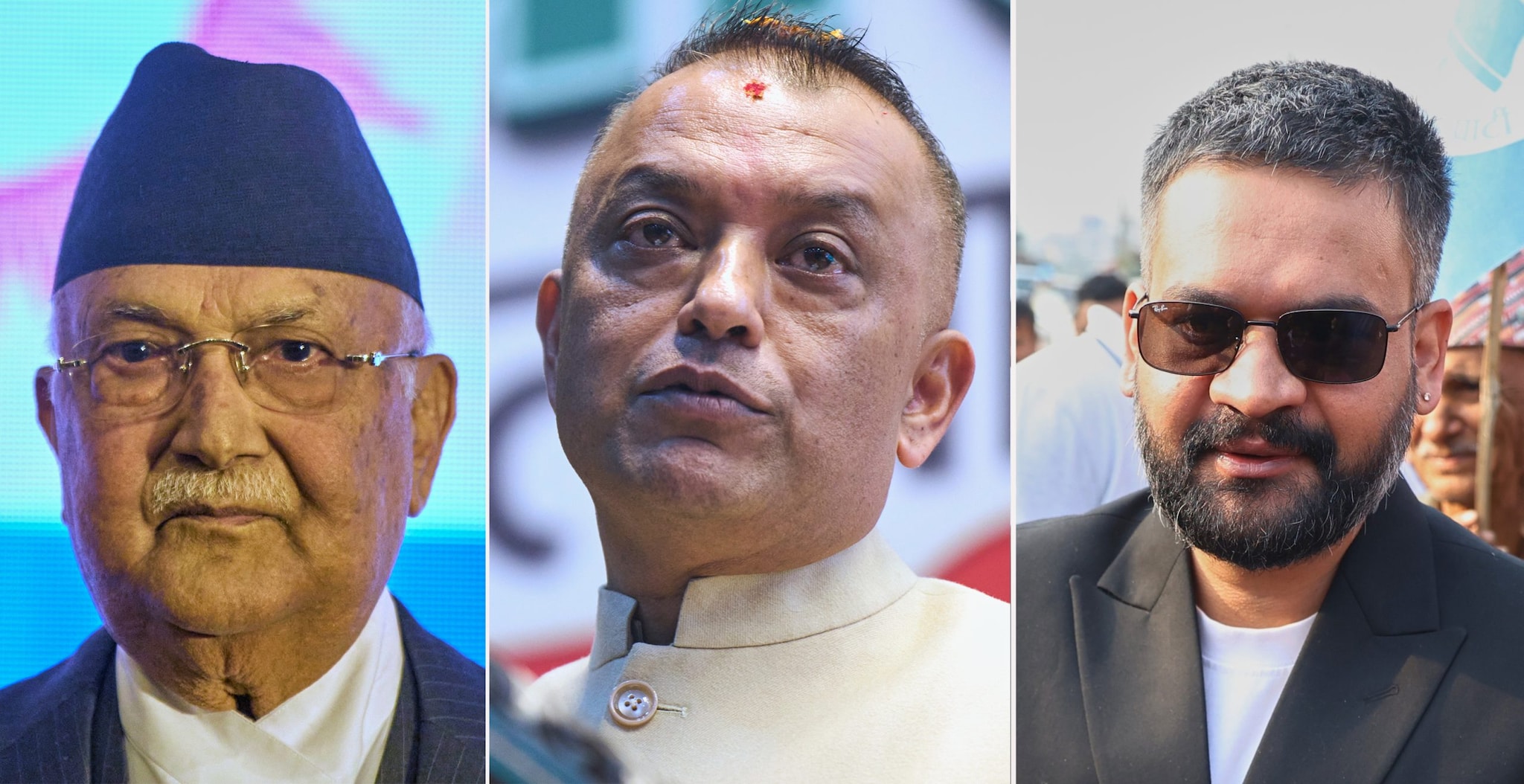
You've got three distinct flavors of leadership on the menu. First, there’s the veteran communist Khadga Prasad Sharma Oli, trying to claw back his relevance after being chased out by the very streets he once claimed to represent. Then there’s Gagan Thapa, the man who finally staged a successful internal coup to wrestle control of the Nepali Congress away from the 79-year-old Sher Bahadur Deuba. Finally, you have the wildcard: Balen Shah, the former rapper and Kathmandu mayor who’s swapped his microphone for a prime ministerial bid under the Rastriya Swatantra Party (RSP).
The Spark that Changed Everything
What started as a protest over a social media ban in late 2025 quickly morphed into a national reckoning. For years, young Nepalis watched the same revolving door of leaders—Oli, Deuba, and Prachanda—swap the PM chair like a game of musical chairs while the economy stagnated. When the government tried to cut off TikTok and other platforms, it was the last straw.
The violence was unlike anything seen since the end of the civil war. Protesters torched party offices and even the 122-year-old Prime Minister's Office. This wasn't just "unrest"; it was a total rejection of the status quo. Now, an interim government led by former Chief Justice Sushila Karki is holding the bag until the March 5 vote.
Three Rivals and the Fight for the Future
The competition for the 275 seats in the House of Representatives is essentially a three-way brawl between very different visions for Nepal.
1. Balen Shah (The Populist Disruptor)
Balen Shah isn't your typical politician. He’s a structural engineer who gained fame through rap and then shocked the establishment by winning the Kathmandu Mayor's race as an independent in 2022. Now, he’s the face of the RSP. He’s leaning hard into his "outsider" status, wearing his signature black suit and sunglasses, and promising to run the country like a modern enterprise rather than a feudal fiefdom. His alliance with Rabi Lamichhane has given the RSP a massive boost, particularly among the nearly one million first-time voters who are tired of "grandfather politics."
2. Gagan Thapa (The Reformer from Within)
For a long time, Gagan Thapa was the "future" of the Nepali Congress, but the party's old guard, led by Sher Bahadur Deuba, refused to let go. That changed in early 2026 when Thapa won a special general convention, effectively forcing Deuba into a bitter retirement. Thapa's campaign slogan, "We changed the Congress, we will change the country," is a direct play for the Gen Z vote. He’s pushing for strict term limits and a "right to recall" law—bold moves for a leader of a traditional party.
3. K.P. Sharma Oli (The Old Guard’s Last Stand)
Oli is the ultimate political survivor. Despite being blamed for the heavy-handed state response during the September protests, he still commands a massive, disciplined base within the CPN-UML. His strategy is simple: promise stability. He’s pitching himself as the experienced hand who can navigate the delicate balance between India and China. While Thapa and Balen talk about reform, Oli talks about "nation-building" and warns that the newcomers will lead the country into chaos.
What’s Actually at Stake
Beyond the names on the ballot, this election is about whether Nepal can move past its "revolving door" reputation. The numbers tell a grim story: youth unemployment is hovering around 20%, and the country needs at least $48 billion in infrastructure investment to actually grow.
- Geopolitics: India and China are watching this like hawks. Thapa's Nepali Congress has traditional ties to New Delhi, while Oli has historically leaned toward Beijing. Balen Shah remains an enigma on the world stage, which makes both neighbors nervous.
- Economic Reform: The interim government actually made some headway by easing foreign exchange laws and cutting red tape. The next PM will have to decide whether to double down on these market reforms or revert to the old patronage-based system.
- The Women’s Gap: Despite laws requiring one-third of parliament to be women, most parties still hide their female candidates in the "proportional representation" lists rather than letting them run in direct head-to-head contests. Only about 10% of direct candidates this time are women.
Why This Election is Different
In 2022, 81% of the people elected to parliament were newcomers, yet the same old 19% managed to keep all the power. That won't happen this time. Two-thirds of the previous lawmakers aren't even contesting. There’s a massive "vertical split" in the traditional parties, with younger cadres openly defying their seniors to support the new wave of candidates.
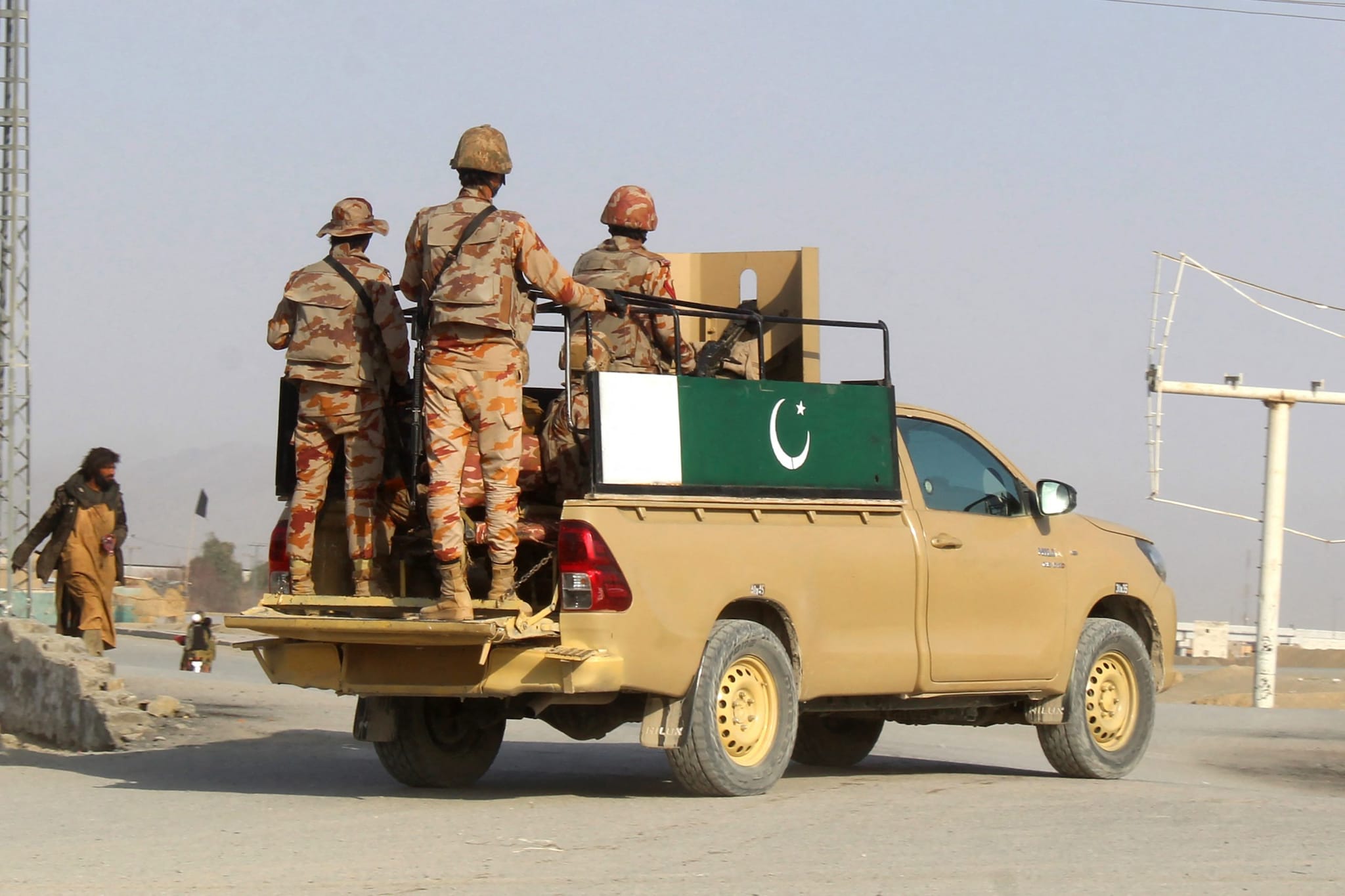
The security situation is also incredibly tense. The government has deployed 320,000 security personnel—a mix of police and army—to ensure the 19 million registered voters can actually reach the booths without being caught in the crossfire of political clashes.
Your Next Steps for Following the Vote
If you're looking to understand how this plays out, don't just watch the seat counts on election night. Watch the "Proportional Representation" (PR) votes. That’s where the true strength of the RSP and the youth movement will be revealed. If the PR votes lean heavily toward Balen Shah, even if he doesn't win a direct majority, he’ll be the kingmaker who dictates the terms of the next coalition.
Check the Election Commission of Nepal’s official portal for live results starting March 6, and keep an eye on the voter turnout in urban centers like Pokhara and Kathmandu. High turnout in those areas almost always spells trouble for the established parties. This isn't just a vote; it's a referendum on whether the old guard gets to stay in the room or if the kids finally get the keys to the kingdom.