The standard media narrative on the Pakistan-Afghanistan conflict is a lazy loop of "border skirmishes" and "counter-terrorism." Most analysts treat the tension as a series of unfortunate events triggered by specific groups like the Tehrik-i-Taliban Pakistan (TTP). They focus on the timeline of the most recent airstrikes or the closing of the Torkham border crossing.
They are looking at the smoke and ignoring the tectonic plates grinding underneath.
The reality is far more uncomfortable: Pakistan is currently reaping the whirlwind of a fifty-year geopolitical gamble that failed. The "strategic depth" policy—the idea that a friendly, Islamist government in Kabul would provide Pakistan with a secure backyard against India—has turned into a strategic chokehold.
Pakistan didn't just lose its influence over the Taliban; it became the junior partner in a relationship where it used to be the patron.
The Durand Line Is an Imaginary Fence
The most frequent question asked by outsiders is: "Why can't they just agree on the border?"
This question is fundamentally flawed because it assumes the Durand Line—the 2,640-kilometer border drawn by Sir Mortimer Durand in 1893—is a functional political reality. It isn't. To the Pashtun tribes living on both sides, it is an arbitrary colonial scar.
No Afghan government, whether it was the Soviet-backed communists, the US-backed republic, or the current Taliban emirate, has ever formally recognized the Durand Line as a permanent international border. Expecting the Taliban to suddenly respect a British-drawn line just because Pakistan helped them take Kabul is a delusion of the highest order.
When Pakistan began fencing the border in 2017, the move was touted as a security masterstroke. In truth, it was a desperate, multi-billion dollar attempt to impose 19th-century Westphalian sovereignty on a region that operates on kinship and tribal geography. Fences don't stop ideologies, and they certainly don't stop a group like the TTP when their hosts in Kabul share their DNA.
The "Good Taliban" vs. "Bad Taliban" Fallacy
For decades, the Pakistani security establishment operated on a binary: the "Afghan Taliban" were the "good" ones (assets to be used against foreign occupiers and India), and the "TTP" were the "bad" ones (terrorists attacking the Pakistani state).
I’ve seen this play out in diplomatic backrooms and intelligence briefings for years. The logic was always that once the Afghan Taliban took power, they would rein in the TTP or hand them over.
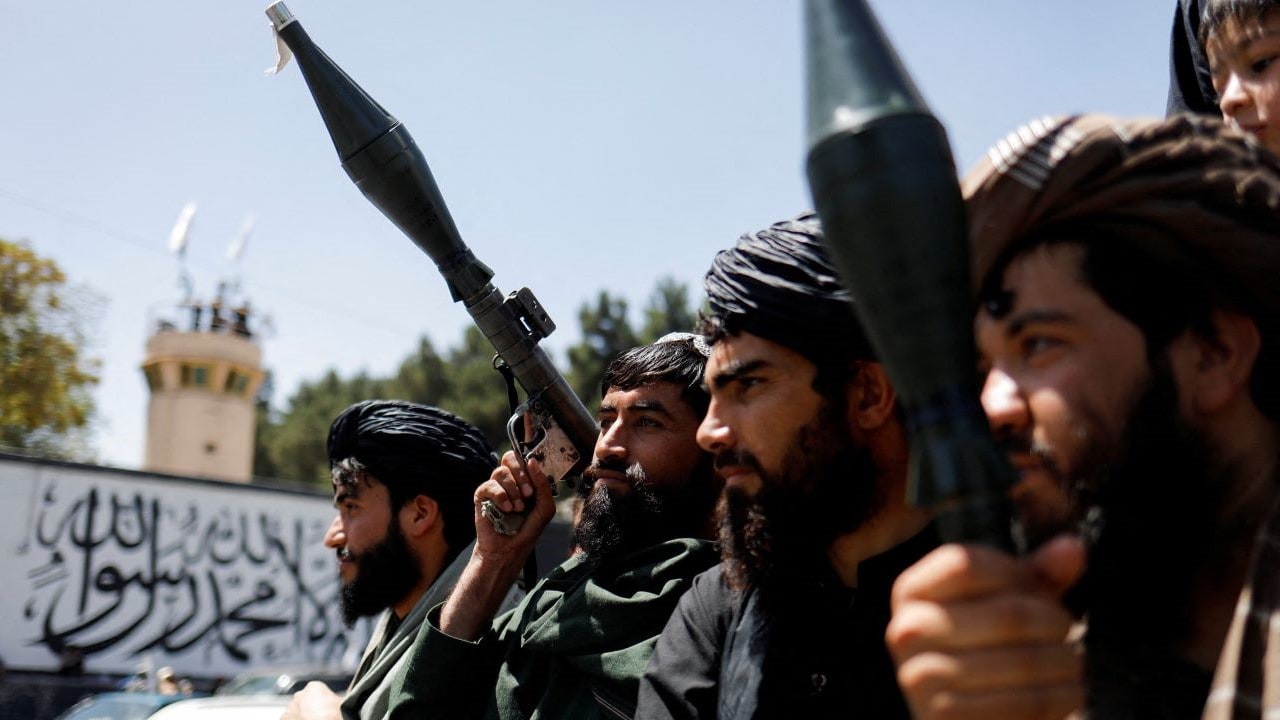
Instead, the opposite happened. The Afghan Taliban and the TTP are two branches of the same ideological tree. They share the same Deobandi roots, the same combat history, and the same goal of Sharia-based governance. Asking the Taliban in Kabul to eliminate the TTP is like asking a man to cut off his own right hand to please a neighbor he doesn't even like.
The 2021 fall of Kabul wasn't a victory for Pakistan’s military; it was the start of their greatest security nightmare. The TTP now has a sovereign sanctuary. They have access to abandoned US military hardware. Most importantly, they have the "proof of concept" that a persistent insurgency can defeat a nuclear-armed military or a global superpower.
Why Airstrikes Are a Sign of Weakness
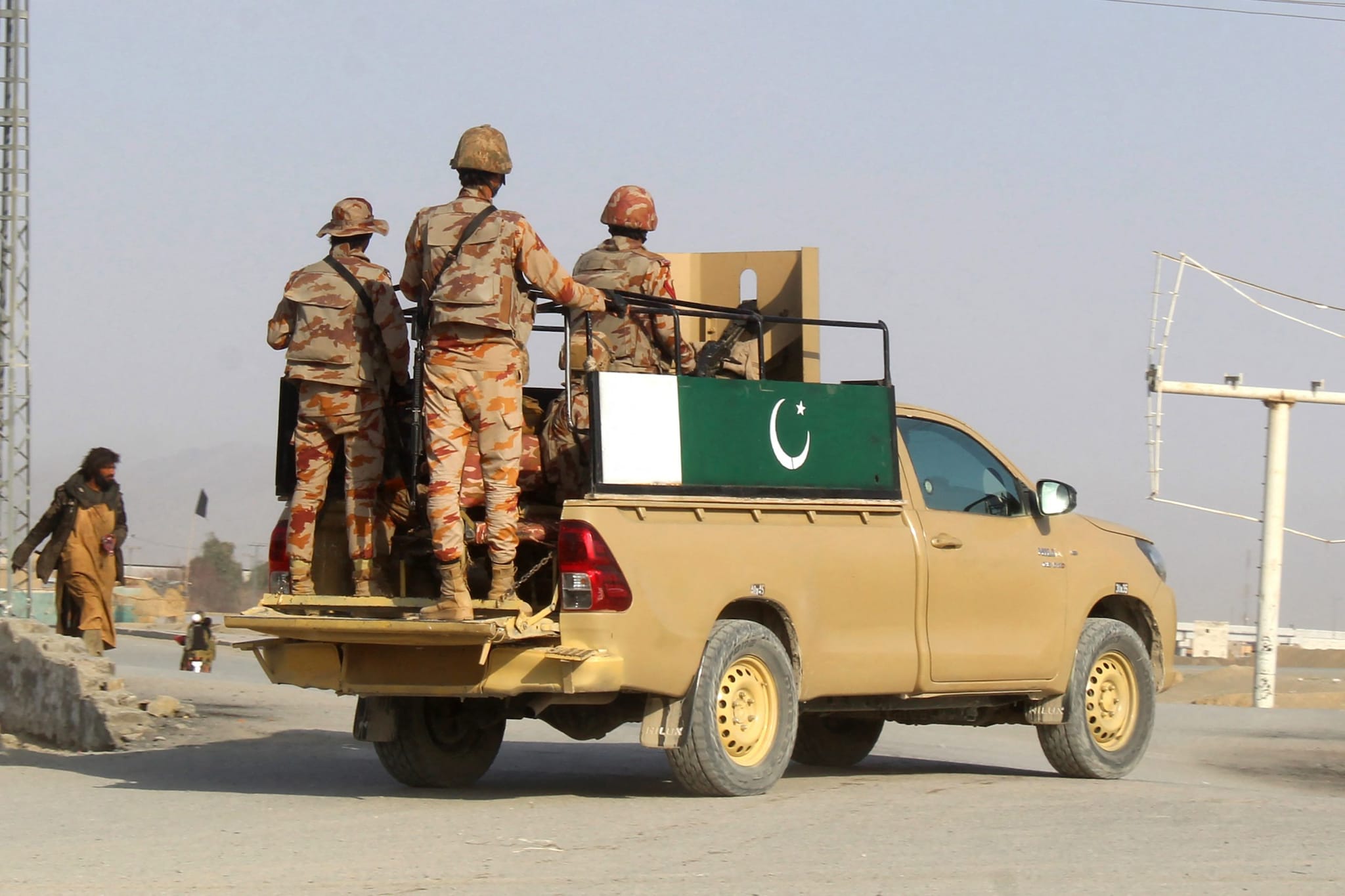
In March 2024, Pakistan launched airstrikes into Khost and Paktika provinces in Afghanistan. The "experts" called it a "bold message."
It was actually a scream of frustration.
Airstrikes are what you do when your diplomatic leverage has hit zero. When Pakistan strikes Afghan soil, it accomplishes three things, none of which are good for Islamabad:
- It validates the TTP’s narrative that the Pakistani state is an "oppressor" aligned with foreign interests.
- It forces the Afghan Taliban to take a hardline stance to protect their domestic credibility.
- It pushes the two Taliban factions closer together through shared grievance.
The "brutally honest" answer to why these tensions are escalating is that Pakistan has no move left. It cannot afford a full-scale war with Afghanistan—its economy is on life support, and its IMF-mandated austerity leaves no room for a prolonged campaign. Meanwhile, the Taliban realize that Pakistan needs them more than they need Pakistan. Kabul can always look toward China, Iran, or even a pragmatic relationship with India.
The Trade Sabotage Suicide
One of the most counter-intuitive aspects of this conflict is how Pakistan uses trade as a weapon. Every time a bomb goes off in Peshawar or Quetta, Islamabad shuts down the border crossings at Torkham or Chaman.
They think they are pressuring the Taliban by choking the Afghan economy. They are actually destroying their own.
Pakistan used to be Afghanistan’s primary trading partner. By constantly closing borders and imposing new visa regimes on truck drivers, Pakistan has forced Afghan traders to find alternatives. Today, Afghanistan is increasingly trading through Iran's Chabahar port and through Central Asian corridors.
Pakistan is voluntarily surrendering its most significant lever of influence—economic dependency—in exchange for temporary, symbolic gestures of border control. I’ve spoken with traders in Karachi who have watched their Afghan market share evaporate. You don't gain security by making your neighbor's merchants go bankrupt; you just ensure they have nothing left to lose.
The Myth of the "Foreign Hand"
Whenever the security situation deteriorates, Pakistani officials point to "external elements"—usually implying Indian or former NDS (Afghan intelligence) involvement.
While it is true that regional rivals will always exploit a neighbor's instability, blaming India for the TTP’s resurgence is a convenient way to avoid looking in the mirror. The TTP is a homegrown phenomenon. It is the result of years of radicalization in the border regions, the fallout from military operations like Zarb-e-Azb that displaced millions, and a total failure to integrate the former Federally Administered Tribal Areas (FATA) into the Pakistani mainstream.
The "foreign hand" doesn't create these fires; it just pours gasoline on them. If the internal structure were sound, there would be nothing to ignite.
The Strategy That Actually Works (And Why They Won't Use It)
If Pakistan wanted to actually solve the "Afghanistan problem," it would have to do the unthinkable:
- Acknowledge the Durand Line is dead. Stop trying to force a hard border and instead move toward a "soft" border policy that allows for regulated tribal movement, which would drain the TTP's recruitment pool.
- Kill the "Strategic Depth" doctrine. Accept that a sovereign Afghanistan will never be a proxy. Stop trying to pick winners in Kabul.
- Domestic Deradicalization. Stop using religious proxies for foreign policy goals. You cannot have a "jihadist" foreign policy and a "moderate" domestic policy. The two are inextricably linked.
The reason this won't happen is that it would require the security establishment to admit that their core philosophy for the last half-century was a mistake. In the world of high-stakes geopolitics, admitting a mistake is often seen as a greater risk than continuing a failing strategy.
Stop Asking if War is Coming
People keep asking if a full-scale Pakistan-Afghanistan war is imminent.
They are asking the wrong question.
The war is already here. It’s just not the kind of war people recognize. It’s a war of attrition, played out in nighttime IED attacks, targeted assassinations in the streets of Islamabad, and the slow, grinding collapse of the social contract in the borderlands.
Pakistan is currently trying to use a 20th-century military mindset to solve a 21st-century hybrid identity crisis. You can't fence out an idea, and you can't bomb a neighbor into liking you, especially when that neighbor remembers exactly who taught them how to fight in the first place.
Islamabad spent years playing a game of "The Enemy of My Enemy is My Friend." They forgot that in the tribal heartlands, the enemy of your enemy is often just your enemy's cousin, and they both think you're the problem.
The border isn't a line on a map; it's a mirror. And right now, Pakistan doesn't like what it sees.
Build your fences. Launch your jets. It won't matter. You are fighting a ghost of your own making, and the ghost has all the time in the world.