The Mojave does not negotiate. It presses down on the asphalt with a dry, blinding heat that turns the horizon into a pool of blue water, shimmering and vanishing just as you reach for it. Out here, a mile marker is a monument and a building standing against the emptiness is an act of pure defiance.
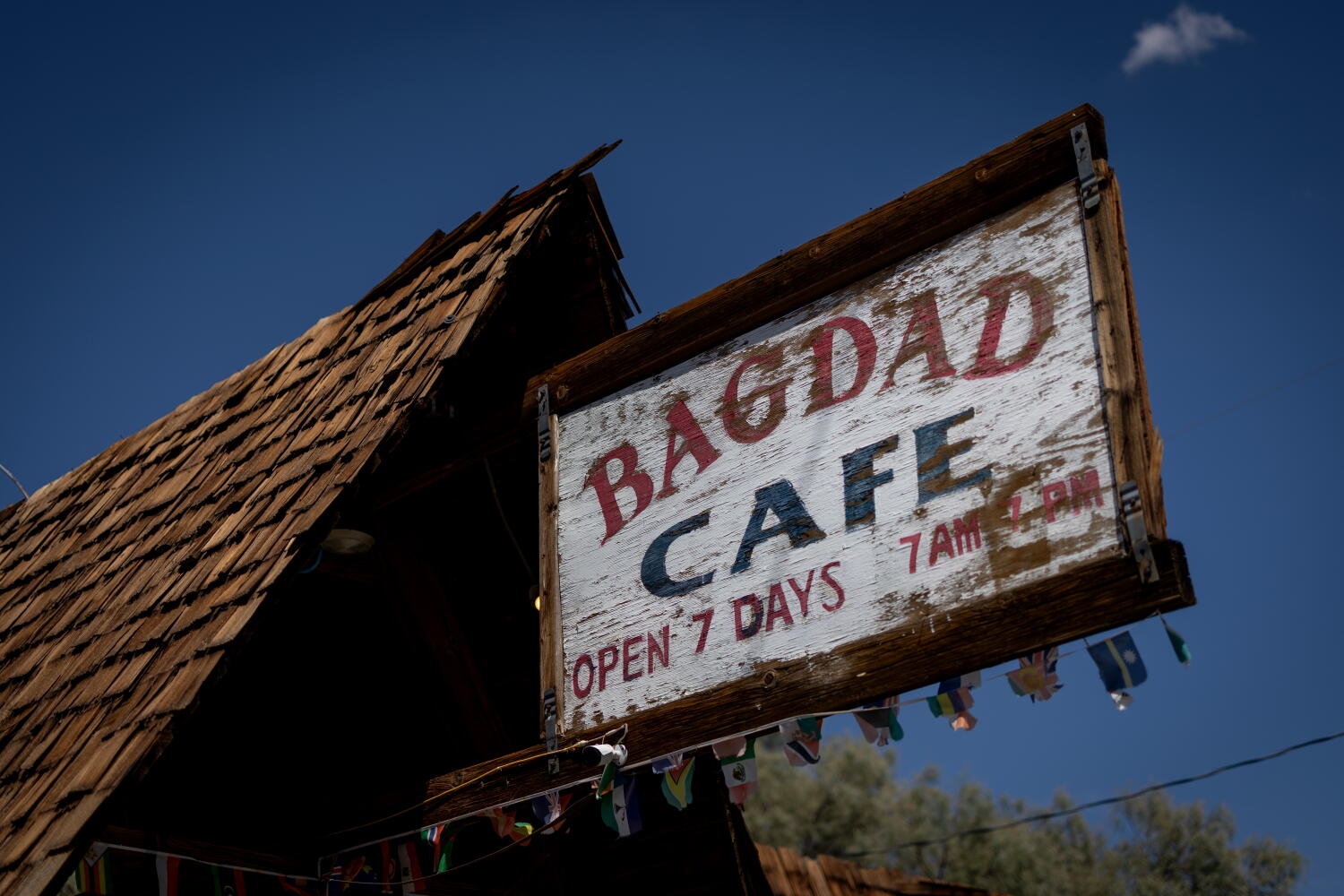
For decades, the Bagdad Cafe in Newberry Springs was more than a stop on old Route 66. It was a shrine. Immortalized by a cult-classic 1987 German film that drew travelers from thousands of miles away, this lonely outpost became a crossroads for wanderers seeking poetry in the dust. French tourists, German cinephiles, and hitchhikers with dust on their boots walked through its screen-door threshold to touch history, sign the walls, and sit where cinematic ghosts once lingered.
Today, the air inside is quieter. The heavy boots of global travelers don't echo across the floorboards with the frequency they once did. The cafe is struggling.
To understand why this place matters, you have to understand the strange magnetism of the American desert highway. Consider a traveler driving west from Arizona. For hours, there is nothing except creosote bushes, salt flats, and the hypnotic hum of tires against sun-baked tarmac. The world strips away. When a neon sign finally cuts through the copper glare, it feels less like a business and more like an emergency landing strip for the soul.
Places like this survive on a delicate ecosystem of romance and momentum. But momentum is fragile. Over the years, the cafe faced a cascading series of heavy blows: structural setbacks, a devastating fire that destroyed the owner's home nearby, and the slow, relentless erosion of traditional road-trip culture. A business built on international pilgrimage cannot easily survive when the wider world turns inward or economic currents shift. The tour buses from Paris and Munich arrive less often. The screen doors creak in the empty wind.
Yet, step inside today, and the human element remains stubbornly alive. The walls are still layered with decades of business cards, handwritten notes in a dozen different languages, and polaroids left behind by strangers who wanted to prove they had made it to the edge of the map. They are notes from people who felt lonely in crowded cities and found a strange, communal comfort in the middle of nowhere.
The struggle of a desert cafe is not merely a real estate story or a footnote in tourism statistics. It is a warning about what we lose when the eccentric, unscripted corners of the world are paved over by efficiency. Modern travel loves speed, lanes, and bypasses. It prefers the sanitized convenience of the interstate over the cracked concrete and faded character of the old roads.
When a place like this fades, a piece of our collective imagination goes dark with it. It leaves behind a wider expanse of nothingness, and a highway a little colder for those still looking for a light in the dark.
The coffee pot is still warm, the souvenirs still wait on the shelves, and the desert continues its patient, eternal watch outside the window.