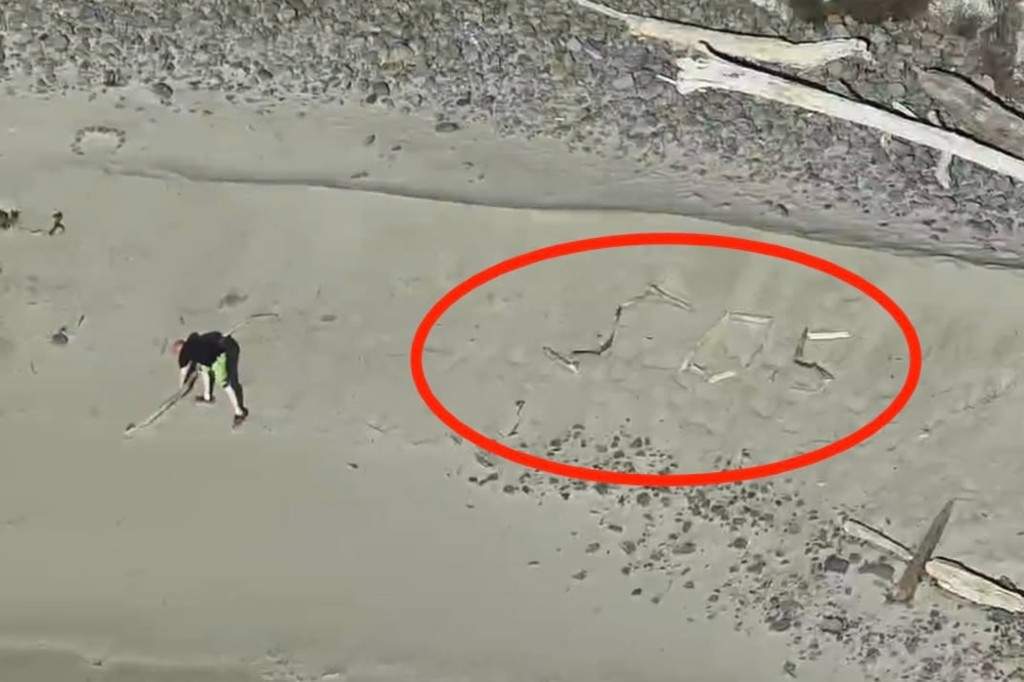
Another week, another headline about stranded beachgoers trapped by the Oregon tide, spelling out a desperate three-letter acronym in rotting timber while rescue helicopters rattle overhead. The internet rolls its eyes. Comment sections fill with smug recriminations about urbanites invading raw nature without a clue. Officials nod grimly, shaking their heads at the sheer recklessness of the public.
It is a comforting narrative. It is also entirely backwards.
When tourists get trapped on the Pacific Northwest coast, the public demands accountability, stiffer fines, and brighter warning signs. We treat every rescue as a moral failure of the individual rather than a catastrophic failure of the environment design. Having spent years analyzing emergency response systems and coastal hazard management across high-energy shorelines, I can tell you the standard discourse is built on a fantasy. The problem is not that tourists are getting stupider. The problem is that our coastal infrastructure is engineered to provide a false sense of security while actively concealing lethal physics.
Stop blaming the driftwood scribblers. Look closer at the machinery that put them there in the first place.
The Dangerous Illusion of the Regulated Wild
Walk onto almost any popular stretch of the Oregon coast, and you will notice something peculiar. You see paved parking lots, well-graded walkways, luxury rental clusters, and tidy observation decks. The approach mimics a national park trail system or a botanical garden. It communicates human dominion, order, and control.
Then you step onto the sand.
Within fifty yards, you cross a threshold from a manicured tourist resort into a high-energy marine combat zone. The transition is invisible to anyone who grew up swimming in the predictable, tideless waters of the Atlantic seaboard or municipal swimming pools. The Pacific Northwest shoreline does not negotiate. It features sneaker waves, rip currents capable of flipping marine research vessels, and pocket beaches where a rising tide cuts off return paths in minutes.
By wrapping wilderness in the aesthetic of a suburban park, local municipalities and tourism boards commit a quiet deception. They invite the mass market, optimize for maximum foot traffic, and collect accommodation taxes from visitors who have zero baseline competency for survival geomorphology. Then, when the ocean behaves precisely as an unmitigated ocean always behaves, the same institutions clutch their pearls and blame the victims for lacking wilderness survival skills.
Imagine a scenario where an amusement park removes its safety rails, oils the roller coaster tracks, and then arrests patrons who fall off for failing to possess elite acrobatic balance. That is the reality of modern coastal tourism management. We commercialize extreme environments, strip away authentic hazard awareness, and sell tickets to a hazard zone disguised as a scenic stroll.
The Bureaucratic Alibi of the Warning Sign
Whenever a rescue hits the local news, officials trot out their favorite defense. They point to weathered wooden signs pinned to parking lot kiosks warning visitors about sneaker waves and tidal cutoffs.
This is bureaucratic gaslighting.
A sign posted two hundred yards inland, bleached by salt air and competing with ten other instructional plaques about parking fees and dog leash laws, is not safety communication. It is legal liability insurance. It exists so a county commissioner or park administrator can stand before a microphone and say the proper warnings were posted.
Human psychology does not process danger via bureaucratic fine print. When people are on vacation, their risk appraisal drops. When they see families walking dogs on a wide, sunlit beach, their mirror neurons override any abstract warning about hydrodynamic drag. They step around a rocky outcropping to take a photograph, the water wraps behind them silently, and the geography shifts from a playground to a trap.
The sign did not fail because the tourists lacked literacy. The sign failed because it was designed to protect institutions from lawsuits, not humans from dying. If we actually cared about preventing these incidents, coastal access points would look less like welcoming hotel lobbies and more like industrial hazard zones. We would utilize dynamic physical barriers, active gate closures during high-risk tidal windows, and real-time visual tripwires that make trespassing on a cutoff point physically impossible. But physical barriers cut into tourism revenue. So we stick with wooden signs and blame the survivors.
The Physics They Never Teach You
The common critique of these stranded beachgoers centers on a fundamental misunderstanding of how the Oregon coast works. Critics assume the danger is a rising tide filling a bowl. The reality is far more violent and counter-intuitive.
Oregon beaches are dynamic sedimentary systems dominated by seasonal erosion and massive driftwood accumulations. A single winter storm can shift thousands of tons of timber into giant, interlocking barricades that act as natural dams and stealthy obstacles. When people walk out onto a wide beach at low tide, they are walking across a floor that is actively being reshaped by wave refraction around headlands.
The tide does not simply rise uniformly from the water line. It floods through low-elevation channels behind rocky shelves, wrapping around the backs of unwary hikers. By the time a visitor notices the water lapping at their ankles near the cliff face, the escape route behind them is already submerged under three feet of turbulent, freezing rip-current runoff.
At that point, walking through the water is a death sentence. The undertow will sweep an adult off their feet in ankle-deep current because the sheer volume of water moving laterally carries immense kinetic energy. Spelling "SOS" in driftwood is not a cry of panic; it is often the only rational signal left to someone trapped against a vertical basalt wall with zero climbing traction and a core temperature plummeting toward hypothermia.
Yet the internet treats this as a joke about poor time management. We mock people for failing to consult tide tables, as if a standard smartphone weather app accounts for local bathymetry, wind-driven storm surges, and the specific refractions of a jagged coastal cove.
The Moral Hazard of the Rescue Industry
There is an elephant in the room that no coastal politician wants to address. The entire emergency response infrastructure on the coast relies on a subsidized safety net that creates a perverse incentive for unchecked tourism expansion.
Coast Guard crews, local volunteer search and rescue units, and rural fire departments absorb the cost of these extractions. They perform heroic work, often risking their own lives in heavy surf and gale-force winds to pull stranded sightseers from cliff bases. They are the true professionals of this ecosystem.
However, the entities profiting from the volume of visitors—local motels, short-term rental conglomerates, chambers of commerce, and state tourism bureaus—pay almost nothing into the specialized rescue apparatus required to bail out their customers.
When a city promotes a coastal trail as a family-friendly weekend getaway without funding a permanent seasonal ranger presence to gate off dangerous promontories at high tide, they externalize the cost of their marketing strategy onto emergency responders. Every helicopter flight and zodiac deployment is a bailout for a business model that prioritizes headcount over safety.
If rental property owners and tourism boards were financially liable for a percentage of search and rescue operations originating from their marketing footprint, the tone of coastal promotion would change overnight. Suddenly, you would see accurate, high-visibility hazard briefings in every rental unit. You would see real-time digital warning systems at every trailhead.
Instead, the risk is socialized, the profit is privatized, and the public is left to sneer at the victims while ignoring the structural trap.
What Real Coastal Reform Looks Like
If we are serious about ending the cycle of beach rescues, we need to stop treating the coastline like a municipal park and start treating it with the respect due to an industrial hazard site.
First, kill the passive signage model. If a beach pocket becomes a trap during a six-foot tide, it needs physical gating or active closure protocols during those windows. Yes, it will anger visitors who wanted a photo at sunset. Too bad. Nature does not offer customer service hours, and neither should our safety architecture.
Second, reallocate tourism tax revenues directly into boots on the ground. Replace passive warning boards with seasonal rangers stationed at high-risk headlands who can physically stop tourists from walking into a tidal trap before it closes. A five-minute conversation with a ranger prevents a five-hour helicopter rescue operation.
Third, stop shaming the public for failing to master oceanography on a weekend trip. The ocean does not owe you a safe passage just because you paid for an ocean-view Airbnb. But the people inviting you there owe you an environment that doesn't disguise a death trap as a scenic walk.
Until we dismantle the illusion of safe wilderness and force commercial tourism to pay for the hazards it creates, those driftwood letters will keep appearing on our shores. And every time they do, the real tragedy will not be the tourists who got stuck. It will be our collective refusal to look in the mirror and admit we built the trap ourselves.