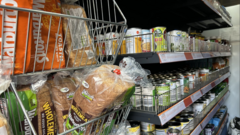
The era of the traditional food pantry is hitting a wall. In towns across the country, the model of handing out pre-packed bags of near-expiry cans is being replaced by something far more effective. The news that a local food pantry is shutting down to make way for a community shop isn't a sign of failure. It's an evolution. It's a shift from a "crisis-only" mindset to a sustainable, dignified way of putting dinner on the table.
Most people think a food pantry and a community shop are the same thing. They aren't. A pantry is often a reactive, emergency measure. You show up, you get what you're given, and you leave. A community shop—sometimes called a social supermarket—is a membership-based model where people choose their own groceries at a fraction of retail prices. It's about agency. It's about walking down an aisle with a basket and picking the brand of cereal your kids actually like, rather than whatever was at the top of a donation bin. For an alternative perspective, read: this related article.
This transition matters because the "emergency" of food insecurity has become a chronic reality for millions. When a pantry closes to become a shop, the neighborhood isn't losing a resource. It's gaining a marketplace that treats people like customers instead of projects.
The problem with the standard pantry model
Traditional food banks did a lot of heavy lifting during the peak of recent economic shocks. They saved lives. But the model has some glaring flaws that we don't talk about enough. Honestly, the "take what you get" approach can be stripping. There’s a psychological weight to standing in a line for a handout. Further analysis regarding this has been published by Associated Press.
Beyond the ego, there’s the waste. If a pantry gives a family a bag containing pasta sauce, but that family doesn't have a stove or prefers rice-based meals, that food sits in a cupboard. Or it goes in the bin. That’s a massive inefficiency in a system that’s already stretched thin.
Community shops fix this by using a "social enterprise" logic. You pay a small weekly membership fee—usually between £4 and £5—and in return, you get to pick out £20 or £30 worth of fresh fruit, vegetables, meat, and toiletries. That small financial contribution changes the entire dynamic. You aren't a recipient of charity; you're a member of a club. You're invested.
High quality food shouldn't be a luxury
A major driver behind these new community shops is the partnership with organizations like FareShare. These groups redirect surplus food from major supermarkets—food that's perfectly good but might have a printing error on the label or was over-ordered. Instead of this food hitting a landfill, it hits the shelves of the community shop.
This isn't just about dented cans of beans. We're talking about high-quality sourdough, fresh bell peppers, and lean proteins. When a pantry shuts down to reopen as a shop, it usually means the infrastructure for refrigeration and display has improved. It means the local "food desert" just got a little smaller.
Critics sometimes argue that even a small fee is too much for those at the absolute bottom. That's a fair point. However, most community shops operate a hybrid model. They still have emergency provisions for those in total crisis, but the goal is to move people toward the shop model as soon as they're able. It’s a bridge back to financial stability.
Why the social aspect is the real secret sauce
If you’ve ever spent time in a well-run community shop, you’ll notice it feels different from a sterile supermarket. There’s usually a coffee machine in the corner. There’s a notice board with job listings or housing advice.
The pantry-to-shop transition is often about more than calories. It’s about tackling the isolation that comes with poverty. When you’re struggling, you tend to withdraw. You stop going out because everything costs money. A community shop provides a reason to show up, chat with neighbors, and meet people who are in the same boat without the stigma of a "soup kitchen" atmosphere.
Staff members in these shops aren't just stocking shelves. They’re often trained to spot when a member is spiraling. They can point people toward debt advice or mental health support before things get catastrophic. It's a proactive hub.
Practical benefits of the membership model
- Choice: You buy what you actually eat.
- Consistency: You know the shop is open every Tuesday and Thursday, allowing for better household budgeting.
- Freshness: Better storage facilities mean more "green" on the plate.
- Sustainability: It reduces the carbon footprint of food waste by keeping surplus within the local economy.
Making the transition work in your area
Moving from a pantry to a shop isn't just a matter of changing the sign on the door. It requires a different type of volunteer training and a more complex inventory system. If you're involved in a local charity or if you're a resident watching this change happen, you need to look at the logistics.
The first step for any group making this jump is securing a reliable supply chain. You can't run a shop with empty shelves. This means formalizing agreements with local retailers and national surplus networks. It also means finding a space that looks and feels like a retail environment. The "vibe" matters. If it looks like a warehouse, it’ll feel like a warehouse.
The financial side is also tricky. The membership fees rarely cover the full operating costs. These shops still need grants and donations. But the fees provide a predictable stream of income that can be reinvested into buying "gap" items—things like milk or eggs that don't always come through the surplus chain.
What this means for the future of local aid
We're seeing a total rethink of how we handle poverty at the neighborhood level. The shift away from the traditional pantry is a sign that we're finally listening to what people actually want. They want to provide for their families. They want to shop. They want to be part of the community, not a burden on it.
If your local pantry is making this change, support it. If you’re a donor, don't stop giving just because the shop is charging a fee. That fee is a tool for empowerment, not a profit margin. The goal is to create a food system that is resilient, local, and, most importantly, respectful.
Check your local council’s website or community social media pages to find where these shops are popping up. Most require a simple sign-up process based on your postcode or financial situation. If you have time to spare, these shops always need people with retail or admin experience to keep the wheels turning. Go down, see the layout, and see the difference a little bit of choice makes for your neighbors.