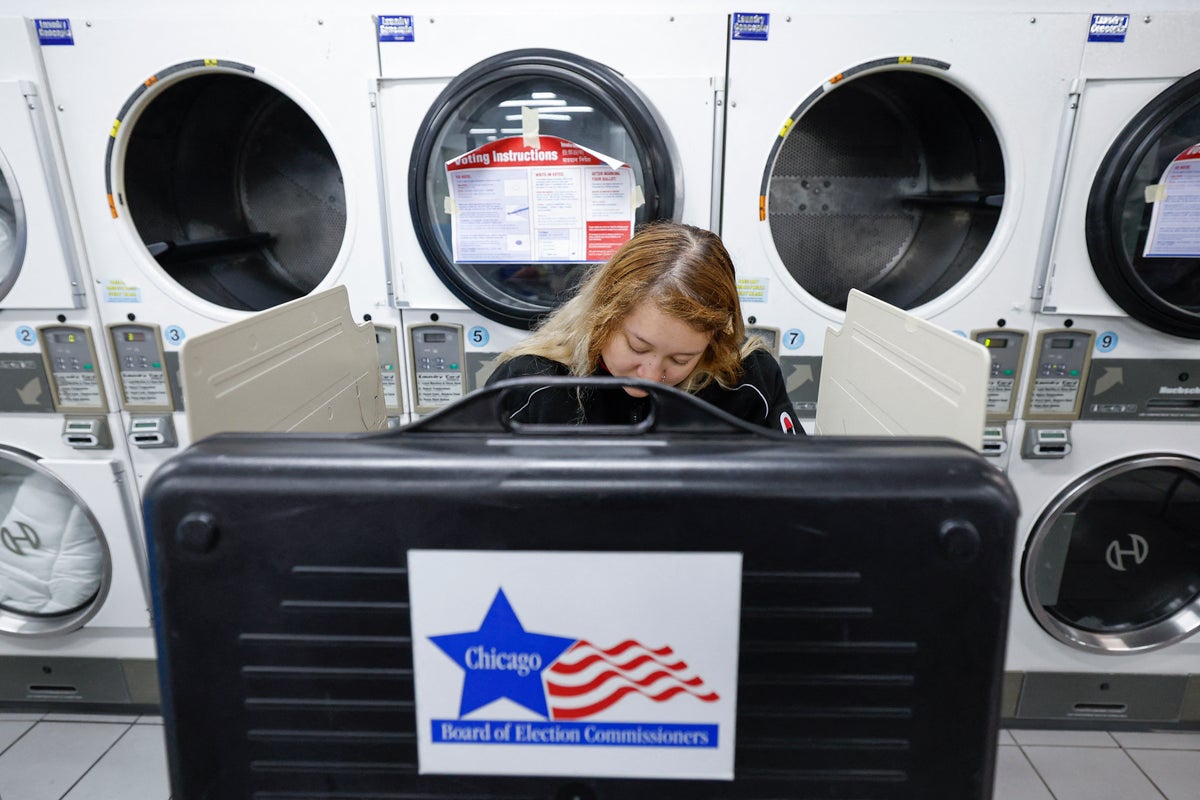
Illinois voters are heading to the polls today, March 17, 2026, to settle a high-stakes civil war within the Democratic Party that will dictate the state's political direction for a generation. The retirement of veteran U.S. Senator Dick Durbin after nearly three decades has triggered a seismic shift, leaving five U.S. House seats open and creating a power vacuum that a new crop of progressives, moderate heavyweights, and even political ghosts are rushing to fill. While Governor JB Pritzker glides toward a third term virtually unopposed, the real story lies in the primary battles for the House and Senate, where tens of millions of dollars in outside spending are clashing with a surging grassroots movement.
The primary results tonight will determine if Illinois remains a bastion of establishment centrism or pivots toward the bold, progressive identity championed by a younger, more diverse wing of the party.
The Senate Vacancy and the 30 Million Dollar Man
The race to replace Dick Durbin has become one of the most expensive and watched primary contests in the country. Representative Raja Krishnamoorthi, a moderate with deep ties to the House's centrist New Democrat Coalition, has effectively turned the race into a referendum on financial dominance. Krishnamoorthi entered the final stretch with a staggering $30 million war chest, a figure that has raised eyebrows and invited intense scrutiny. His donor list, which includes figures from the tech sector and interests aligned with international nationalist movements, has become a central point of attack for his opponents.
Lieutenant Governor Juliana Stratton, Pritzker’s hand-picked successor-in-waiting, represents the progressive alternative. While Krishnamoorthi has the cash, Stratton has the momentum and the Governor's institutional backing. A late $5 million infusion from Pritzker-aligned PACs has flooded the airwaves with pro-Stratton messaging, framing her as the "fighter" Illinois needs to protect reproductive rights and expand social safety nets.
The third major contender, Representative Robin Kelly, finds herself in the difficult middle. Once the chair of the state party, Kelly has a solid legislative record but has struggled to match the sheer spending of Krishnamoorthi or the executive-backed surge of Stratton. The race has turned ugly in its final days, with PACs supporting Krishnamoorthi reportedly funding ads to boost Kelly—not because they want her to win, but to split the progressive and Black voter base and blunt Stratton’s rise.
The Second District and the Ghost of Jesse Jackson Jr.
In the South Side and suburban 2nd District, the departure of Robin Kelly has opened a door many thought was permanently locked. Jesse Jackson Jr., the former congressman who resigned in 2012 before serving time in federal prison for misusing campaign funds, is attempting a political resurrection. His name carries immense historical weight in the district, and his campaign has relied on a mix of nostalgia and a plea for redemption.
However, the "new guard" is not stepping aside quietly. State Senator Robert Peters, a community organizer with the endorsement of Bernie Sanders, is running on a platform of radical systemic change. He represents the ideological opposite of the "Old Guard" politics that defined the Jackson era. Meanwhile, Cook County Commissioner Donna Miller has emerged as the pragmatist’s choice. Miller has the most significant cash advantage in this House race, though she has faced persistent questions regarding heavy backing from pro-Israel groups like AIPAC, highlighting a rift in the Democratic base over foreign policy that is playing out across multiple Illinois districts.
North Side Gridlock in the 9th District
While much of the focus is on open seats, the battle for Jan Schakowsky’s 9th District seat is perhaps the most crowded field in recent memory. A dozen Democrats are vying for the nomination in this reliably blue North Side stronghold. State Senator Laura Fine and State Senator Mike Simmons represent two distinct paths for the district. Simmons, an unapologetic progressive, has focused on housing justice and transit, while Fine has positioned herself as a seasoned legislator capable of navigating the gridlock in Washington.
The sheer volume of candidates here ensures that the winner could move on to the general election with a tiny plurality of the vote. In a district this blue, today’s winner is effectively the next Representative for life, given the historical longevity of Illinois incumbents.
Money and the Influence of Outside PACs
A recurring theme across all five key House races is the unprecedented level of outside spending. It is no longer just about local endorsements or precinct walking. Groups like the Indian American Impact Fund and various cryptocurrency-backed PACs have poured millions into Illinois to influence the outcome of these primaries.
In the 11th District, Bill Foster faces a challenge from within that is being fueled by shifting demographic tides. In the 14th, Lauren Underwood is working to maintain her coalition as the district's lines and political temperament continue to evolve. The common thread is a party in transition, where the old rules of "Wait your turn" no longer apply.
Fundraising Breakdown by Candidate (Estimated)
| Candidate | Estimated Funds Raised | Primary Support Base |
|---|---|---|
| Raja Krishnamoorthi | $30,000,000+ | Moderate/Corporate/International |
| Juliana Stratton | $9,000,000 (inc. PACs) | Pritzker/Progressive/Labor |
| Robin Kelly | $3,500,000 | Institutional/Suburban |
| Donna Miller | $1,200,000 | Establishment/Pro-Israel Groups |
| Robert Peters | $850,000 | Grassroots/Bernie Sanders wing |
The Republican Identity Crisis
On the other side of the aisle, the Republican primary for the U.S. Senate is a battle for the identity of a party that has struggled to win statewide in Illinois for years. Former State GOP Chair Don Tracy is running as the "common sense" alternative, attempting to bridge the gap between the Trump-aligned wing and the suburban moderates the party desperately needs to remain competitive.
He is facing Jeannie Evans, an attorney who has focused her campaign almost exclusively on the cost of living and crime—two issues the GOP believes are the "Achilles' heel" of the Democratic supermajority in Springfield. While the Republican winner will face an uphill battle in November, the margin of victory tonight will indicate whether the Illinois GOP is moving toward a more populist, "Illinois DOGE" style of governance—as proposed by gubernatorial candidate Darren Bailey—or sticking to traditional conservative principles.
The polls close at 7:00 p.m. In many of these races, particularly the 2nd and 9th districts, we likely won't have a clear winner until late in the night or even tomorrow, as mail-in ballots continue to be tallied.
The true test of today’s election isn't just who wins, but how the Democratic party heals its internal fractures after the dust settles. If Krishnamoorthi’s massive spending carries him to the Senate, it signals a win for the donor-class strategy. If Stratton or a wave of progressive House candidates prevail, the "Pritzker Era" of Illinois politics will have officially shifted into a new, more ideological gear.
Watch the turnout in the suburban "collar counties." That is where the Senate race will be won or lost.


