The recent escalation between Pakistan and Afghanistan, marked by Islamabad’s declaration of "open war" in February 2026, is frequently misinterpreted as a conventional military showdown. This is a analytical error. The conflict is not a contest of force-on-force engagement; it is a breakdown of a complex security-political equilibrium. Understanding the true risks requires shifting from a static accounting of tanks and aircraft to an evaluation of coercive strategies and the structural constraints governing both regimes.
The Structural Disparity of Power
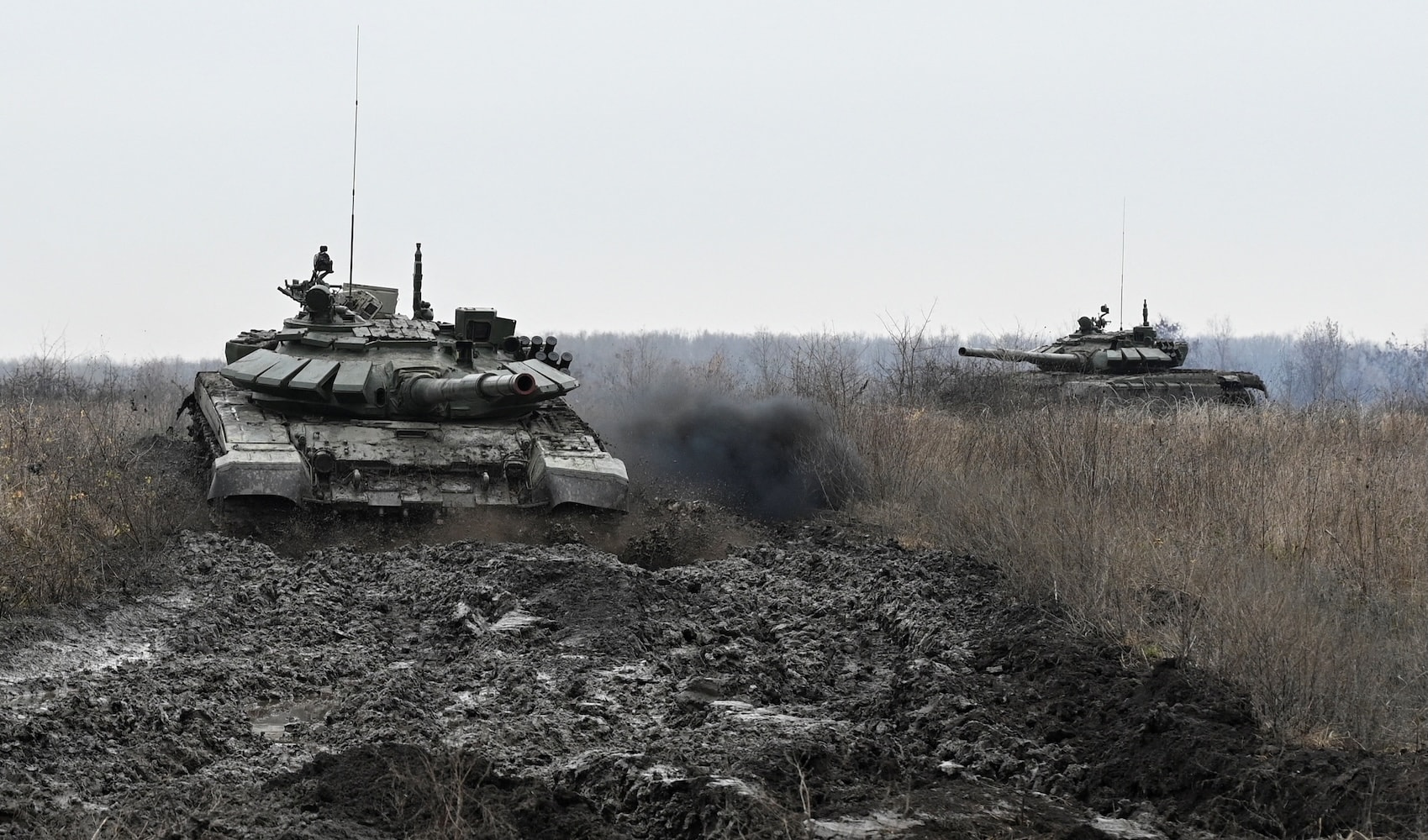
Conventional metrics establish a clear asymmetry in favor of Pakistan. The Pakistan Armed Forces operate as a professionalized, state-level institution with roughly 660,000 active personnel and deep integration with Chinese defense industrial systems. Pakistan retains the capacity for deep-strike operations, illustrated by the development of platforms like the Fatah-5, which aim to provide strategic-depth strike capabilities. In similar updates, take a look at: The Sabotage of the Sultans.
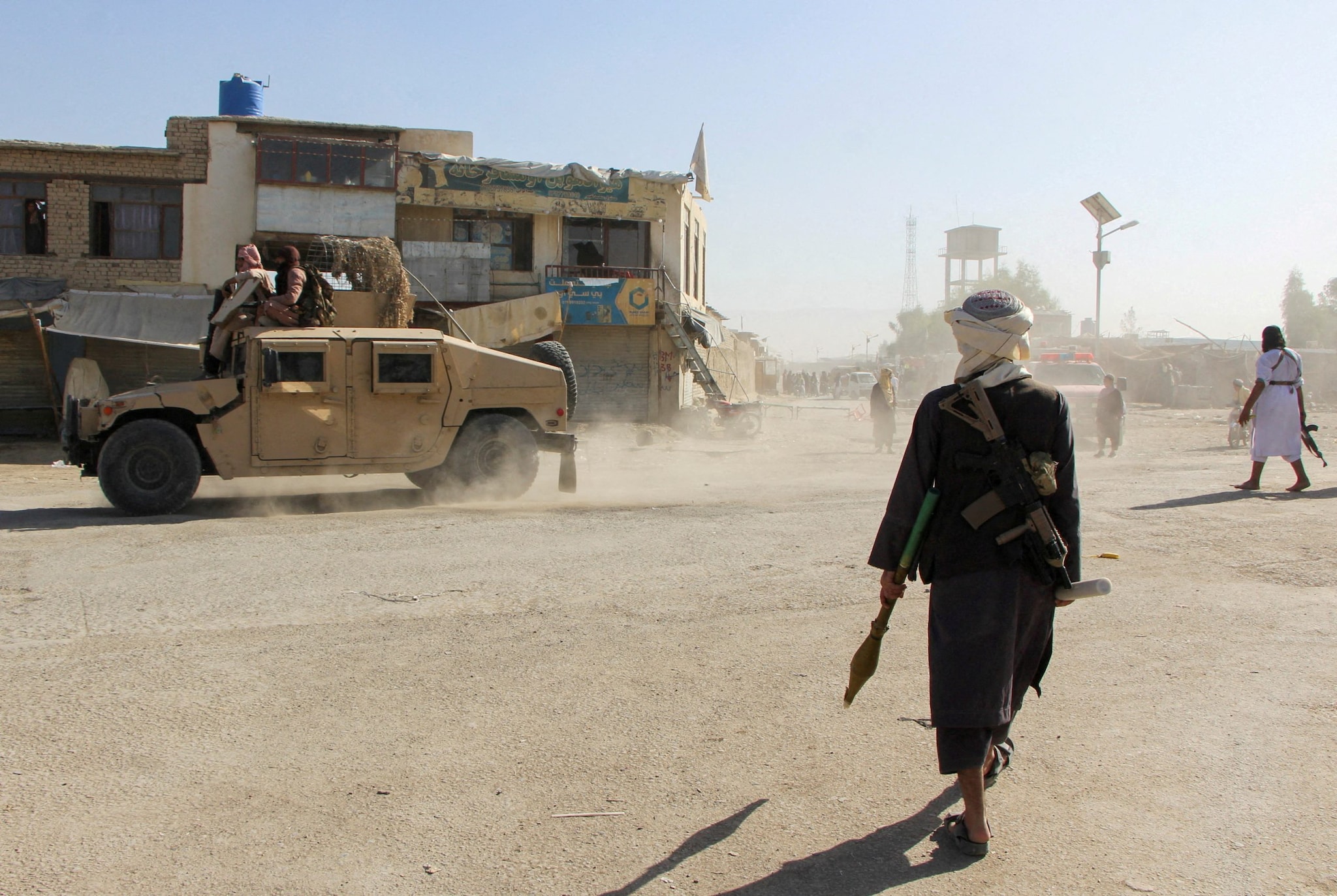
Conversely, the Taliban’s military apparatus is a legacy force. It relies on a fusion of captured foreign equipment and irregular combat experience. While they possess localized defensive capabilities, they lack the logistical tail, air superiority, and institutional maintenance required to sustain high-intensity conventional operations.
| Metric | Pakistan | Afghanistan (Taliban) |
|---|---|---|
| Active Personnel | ~660,000 | ~172,000 |
| Strategic Assets | Nuclear | None |
| Air Force | Modern/Comprehensive | Negligible |
| Integration | State/International | Isolationist/Insurgent |
This raw gap dictates the operational logic: Pakistan does not need to invade to exert pressure; it utilizes the threat of kinetic air strikes and economic leverage. The Taliban, lacking a conventional air force, relies on asymmetric responses—drones, border skirmishes, and the manipulation of cross-border insurgent networks—to impose costs on Islamabad. TIME has analyzed this critical subject in great detail.
The Three Drivers of Escalation
The current friction is not simply a product of border disputes but a function of three overlapping variables:
- The Sanctuary-Proxy Loop: Islamabad maintains that the Taliban provides safe haven for the Tehreek-e-Taliban Pakistan (TTP), which executes internal violence. The Taliban views these groups through a lens of Pashtun identity and revolutionary kinship. Any move by the Taliban to "crush" these groups risks alienating their own base and driving those fighters toward the Islamic State-Khorasan (IS-KP), a mutual enemy.
- Domestic Legitimacy Constraints: Both regimes are internally fragile. The Pakistani security establishment faces immense pressure from a public reeling from economic instability and internal terror attacks. The Taliban’s leadership, rooted in a culture of anti-foreign resistance, cannot be perceived as capitulating to Pakistani airstrikes without fracturing its own internal cohesion.
- The Economic Connectivity Bottleneck: China’s integration of Afghanistan into the Belt and Road Initiative necessitates stability along the Peshawar-Kabul corridor. When security breaks down, the economic rationale for regional interdependence collapses. Conflict effectively creates a "security tax" that prevents both nations from accessing necessary foreign capital.
Tactical Limits and Strategic Realities
Pakistan’s declaration of "open war" functions primarily as a tool of coercive signaling. The objective is not total regime change, which would necessitate an occupation that Pakistan’s fiscal and political status cannot support. Instead, Islamabad aims to force a shift in the Taliban’s risk-benefit calculus regarding militant support.
The Taliban’s employment of drones to target Pakistani military sites demonstrates a tactical evolution. While these systems cannot overcome Pakistan’s conventional dominance, they serve a psychological and deterrent function. They signal that the cost of Pakistani military aggression is not zero and that the Taliban has the ability to project conflict back into the Pakistani heartland, even if at a lower intensity.
The Strategic Outlook
The situation is likely to fluctuate within a cycle of controlled tension. Neither side can afford a full-scale war, yet neither can afford to appear passive.
- Managed Escalation: The conflict will likely remain at the level of "gray zone" warfare. This involves frequent border clashes, targeted airstrikes against identified militant hideouts, and diplomatic maneuvers aimed at forcing international mediation (likely by China or Iran).
- The Fragility of Infrastructure: Any sustained conflict will lead to the formal suspension of cross-border trade and transit. For landlocked Afghanistan, this is an existential economic threat; for Pakistan, it undermines the potential for revenue-generating regional transit.
- The IS-KP Wildcard: Increased border militarization and internal crackdowns are counter-productive if they create vacuums that extremist groups like IS-KP exploit. A prolonged security focus on the TTP and the Taliban potentially leaves the door open for non-state actors to destabilize both regimes simultaneously.
For stakeholders monitoring the region, the critical indicator is not the rhetoric emanating from Kabul or Islamabad but the physical status of the transit corridors and the coordination level of border security forces. Real stability will only emerge if the security-political equilibrium is re-negotiated to address the underlying sanctuary issue, rather than merely punishing the symptoms through intermittent kinetic strikes.