The sirens start wailing, the walls shake from a distant ballistic impact, and residents check their phones to see which neighborhood lost power this time. Living in Kyiv right now isn't about dramatic war movie moments. It's an exhausting exercise in adaptation. You learn to time your showers around rolling blackouts, keep a Go-Bag packed by the front door, and watch your favorite downtown coffee shop board up its windows after a midnight drone wave.
Most international coverage focuses strictly on the front lines hundreds of kilometers away. But the air war over the capital has completely rewritten daily existence. When explosive drones and cruise missiles target administrative hubs, residential blocks, and historic districts near places like Saint Sophia Cathedral, the psychological toll on civilians changes. People aren't just waiting out a temporary storm. They are building an entire parallel reality designed to outlast a relentless campaign of attrition.
The Reality of Day-to-Day Survival in the Capital
You adjust faster than you ever thought possible, but the friction wears you down. Constant air raids mean interrupted sleep becomes the baseline. When strikes hit infrastructure, elevators shut down in twenty-story high-rises, water pressure drops, and heating systems fail.
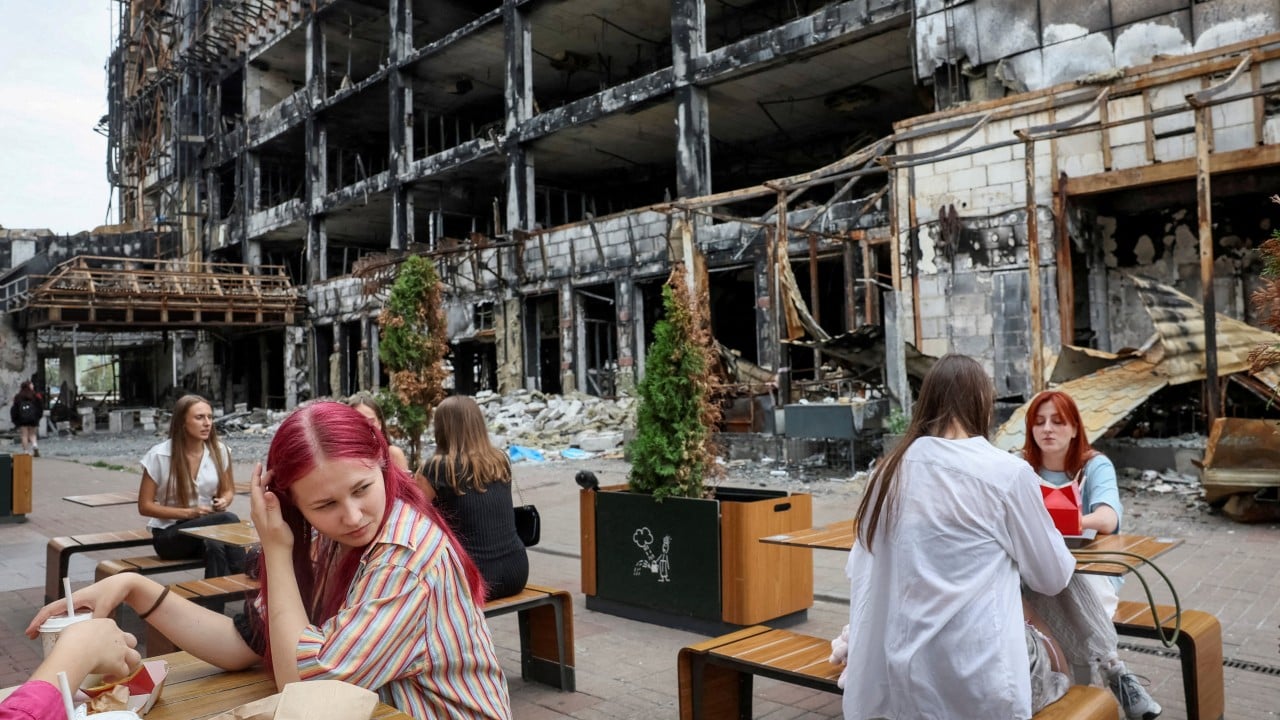
Carrying groceries up fifteen flights of stairs in total darkness teaches you to pack light. Yet, life persists in stubborn, defiant ways. Local bakeries reopen hours after blast waves shatter their glass, sweeping up the shards and serving espresso from generators. Coworking spaces turn into community hubs equipped with Starlink terminals and industrial-grade diesel generators.
How the Infrastructure Adapts to Constant Targeting
Kyiv's survival depends on decentralization. Centralized Soviet-era heating and power grids are massive targets that catch repeated missile fire. In response, the city has shifted toward micro-grids, mobile boiler units, and localized cogeneration plants.
- Backup Power: Thousands of high-capacity generators now keep hospitals, water stations, and apartment blocks functioning.
- Shelter Networks: Underground metro stations double as bomb shelters and makeshift offices where people work on laptops during prolonged alerts.
- Logistical Shifts: Supply chains reroute instantly when warehouses or transport hubs take hits, preventing chronic shortages of food or medicine.
The strategy is simple: make the city impossible to break by removing single points of failure. If one neighborhood node goes dark, independent micro-systems keep adjacent blocks alive.
The Psychological Weight of Endless Uncertainty
Uncertainty is harder to handle than a direct schedule of danger. You never know if an incoming swarm of Shahed drones will pass overhead or impact your street. Daytime attacks have become more frequent, shattering the illusion that daylight offers safety.
People talk about fatigue, but they keep working, volunteering, and donating. The community ties forged in apartment building group chats—where neighbors organize water deliveries and share charging stations—have replaced traditional municipal safety nets.
If you're watching from afar, don't confuse normal activity on Kyiv's streets with a return to normalcy. Underneath the surface traffic and open cafes lies a high-stakes balancing act. Every resident knows that the next air raid siren could change everything in a matter of seconds. Stay informed through local, ground-level channels, support verified humanitarian efforts, and recognize that resilience isn't just about enduring—it's about building a functioning society while the air raid sirens are still sounding.