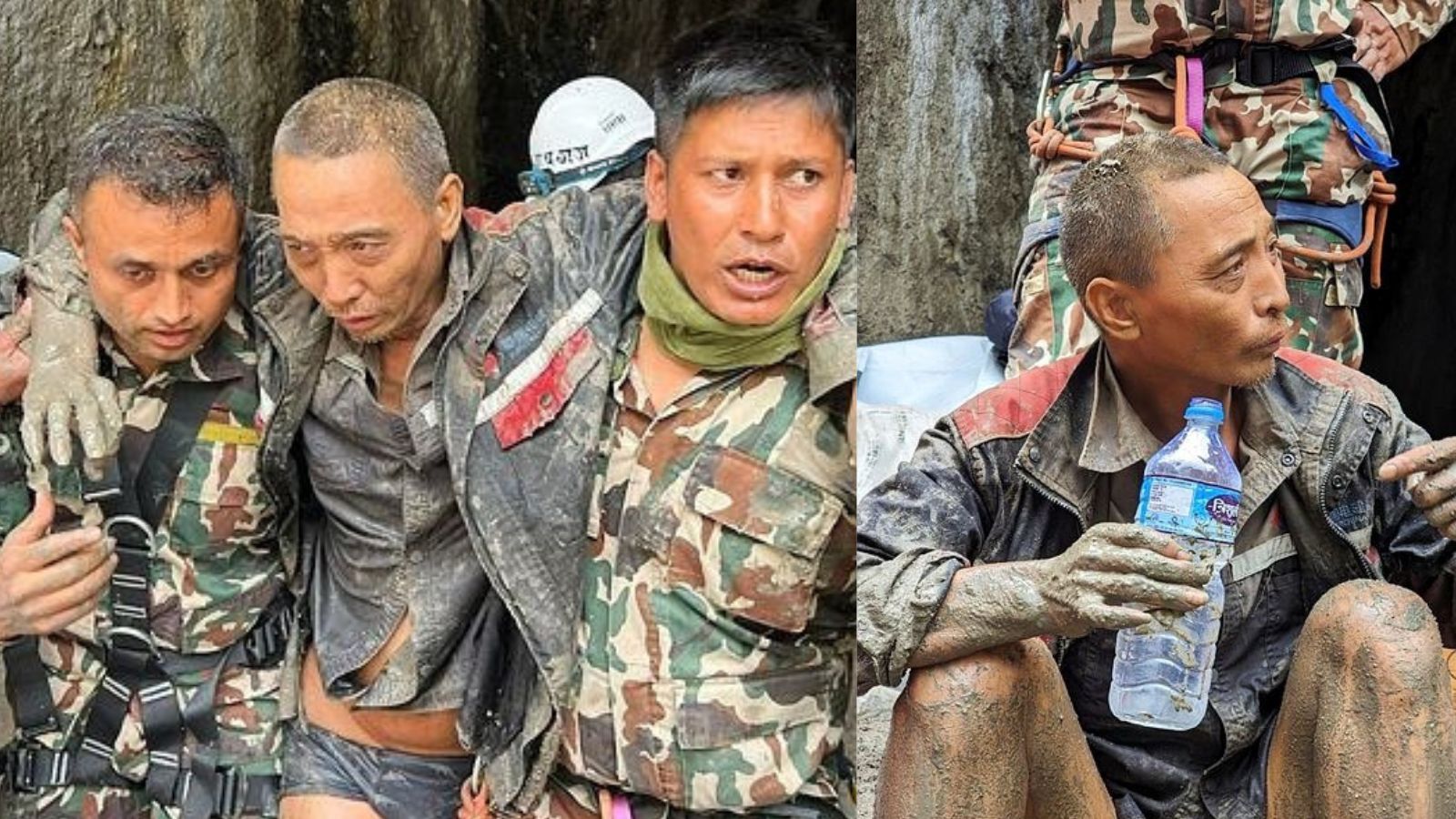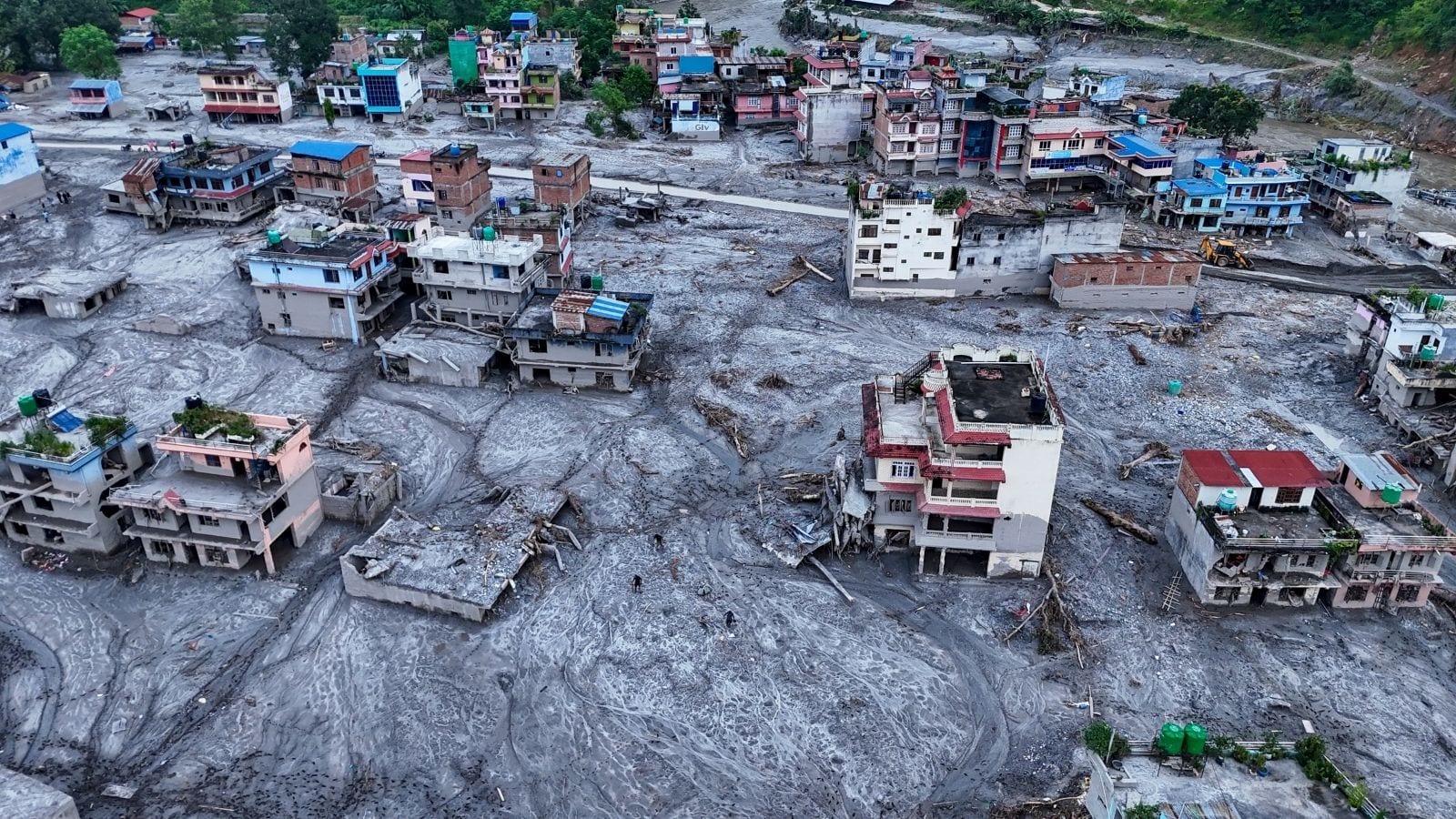
The media wants you to weep tears of joy over a miraculous extraction. Ten days after a wall of glacial ice, rock, and slurry obliterated the Himalayan valleys, rescue workers pulled a Chinese national named Luhaitao from a 225-meter tunnel at the Upper Trishuli-1 Hydropower Project. Headlines treat this like a Hollywood script come to life. It is not a triumph of disaster response. It is an indictment of corporate negligence and structural engineering arrogance wrapped in a feel-good narrative.
Every time a survivor emerges from the muck after a week and a half, commentators praise the resilience of the human spirit. They ignore the systemic rot that allowed hundreds of laborers to get swallowed by subterranean water traps in the first place.
Let us look past the sentimentality. The lazy consensus across global news outlets frames these late extractions as proof that current emergency protocols work. They do not work. They are reactive bandaids slapped over archaic, high-risk infrastructure projects built in active glacial hazard zones.
The Myth of the Ten-Day Survival Window
Conventional disaster logic states that after seventy-two hours, the game is over. Dehydration, hypothermia, and crush syndrome usually seal the fate of anyone trapped underground. When someone beats those odds on day ten, the public treats it as a statistical anomaly.
It is not magic. It is architecture.
Hydropower tunnels in the Himalayas are massive, concrete-lined tubes driven deep into unstable mountain flanks. When a glacial lake outburst flood slams into a river basin, these subterranean passages often act as giant pneumatic tubes. They trap pockets of pressurized air while sealing off entry points with thick walls of mud and debris.
Imagine a scenario where a massive submarine compartment gets sealed off during a hull breach. The occupants do not survive because of heroic rescue planning; they survive because the geometry of the steel shell accidentally created an air pocket.
We are praising the rescuers for finding an air pocket while ignoring the project managers who routed human beings into active flood zones without automated subterranean evacuation capsules or remote-sealed refuge chambers.
The Subterranean Death Trap Economy
The Upper Trishuli disaster is part of a wider bloodbath. More than 1,300 people are confirmed dead, with thousands still missing, many of them trapped inside utility tunnels across half a dozen hydropower sites. These projects are rushed through unstable terrain to feed energy grids hundreds of miles away.
I have seen engineering firms blow millions on surface-level public relations campaigns while cutting corners on internal safety systems. When developers carve multi-kilometer tunnels into regions prone to glacial lake outbursts, they treat worker safety as an afterthought.
The standard protocol when a flash flood hits a Himalayan river valley is simple: run for the exit. But when a wall of water moving at highway speeds hits a tunnel mouth, the exit becomes a death chute. Workers do not have time to escape. They are sucked inward, swallowed by miles of ascending grade and pitch-black sludge.
Instead of building redundant, high-elevation escape shafts every five hundred meters, developers rely on single-entry audit tunnels. It is cheaper. It saves capital upfront. And when disaster strikes, it turns a workplace into a mass grave.
Dismantling the Rescue Heroism Narrative
We need to stop romanticizing the recovery effort. Every headline focusing on Luhaitao or the other workers pulled from the Trishuli 3A plant acts as a sedative for the public conscience. It distracts from the institutional failures that put them there.
The Nepali Army and foreign extraction teams are doing heroic work with primitive tools, but treating their sweat as a substitute for prevention is dangerous. Relying on WhatsApp groups of engineers to guess where air pockets might exist is not modern crisis management. It is improvisation born of desperation.
If international energy developers want to operate in high-altitude earthquake and flood zones, the rules must change.
- Mandatory multi-stage refuge chambers equipped with thirty days of oxygen, water, and emergency transponders must be standard inside every hydropower tunnel exceeding one kilometer in length.
- Automated blast-doors tied to upstream glacial sensors must drop the second river telemetry spikes, cutting off tunnels before water ever reaches the portal.
- Corporate executives who approve tunneling in active glacial paths without telemetry-linked evacuation systems should face criminal liability, rather than hiding behind force majeure clauses when the mountain inevitably collapses.
Stop celebrating the miracle of a single man crawling out of the mud after ten days. Demand to know why nine hundred other workers were left in the dark to drown.