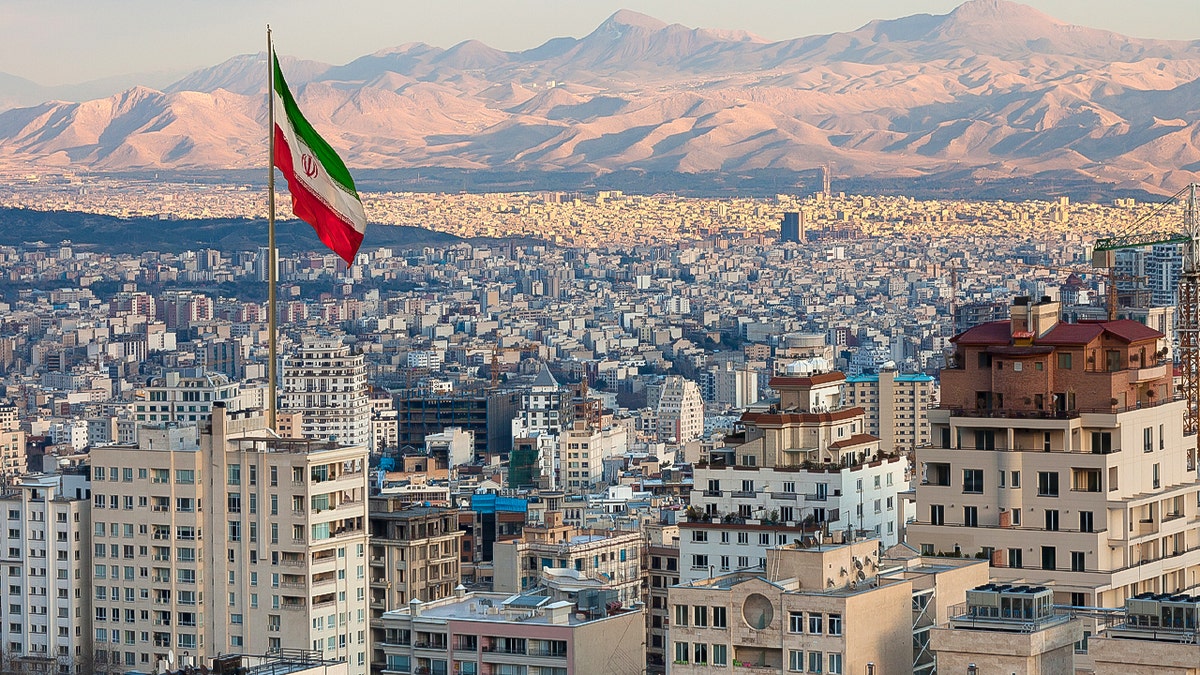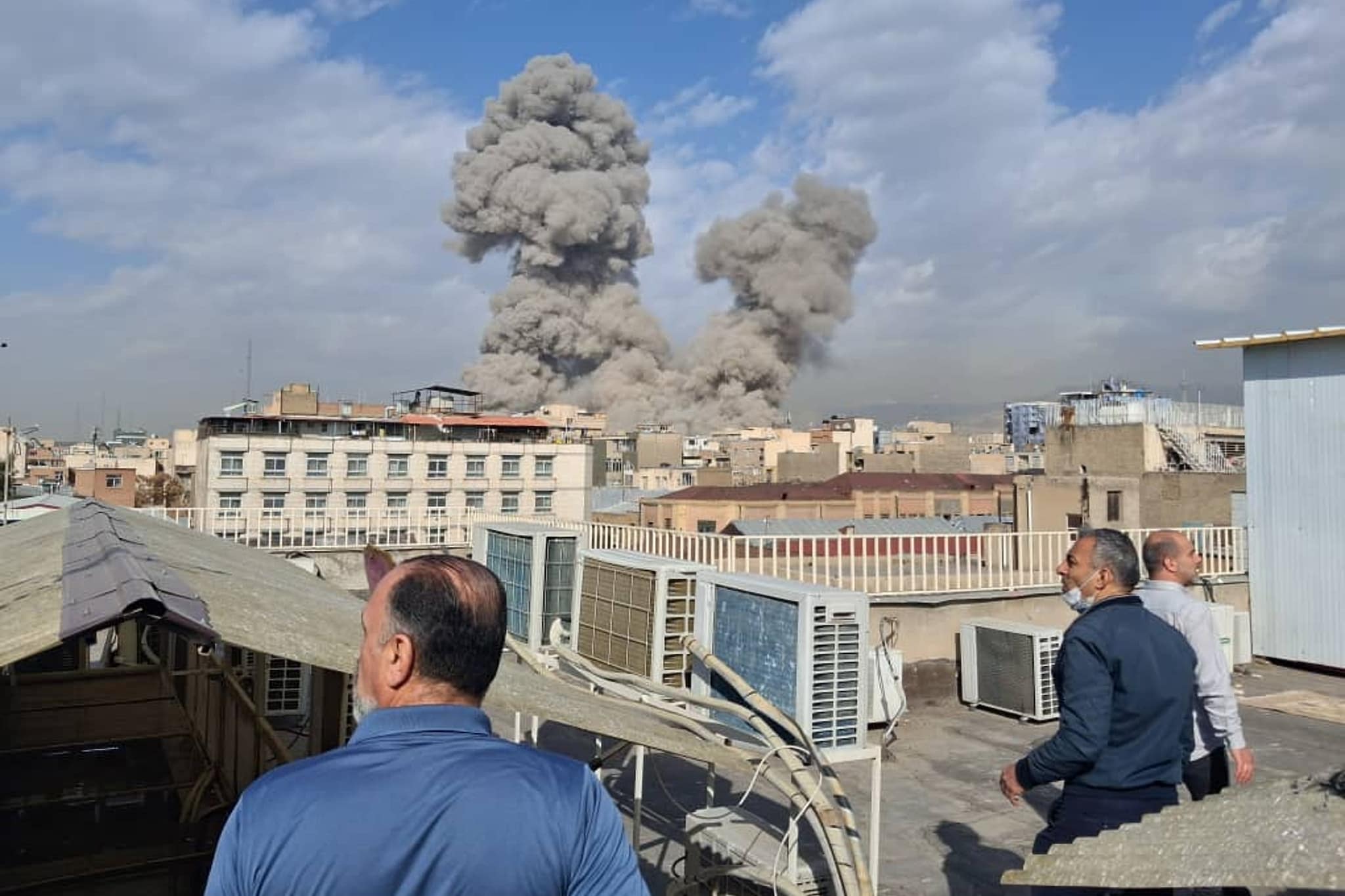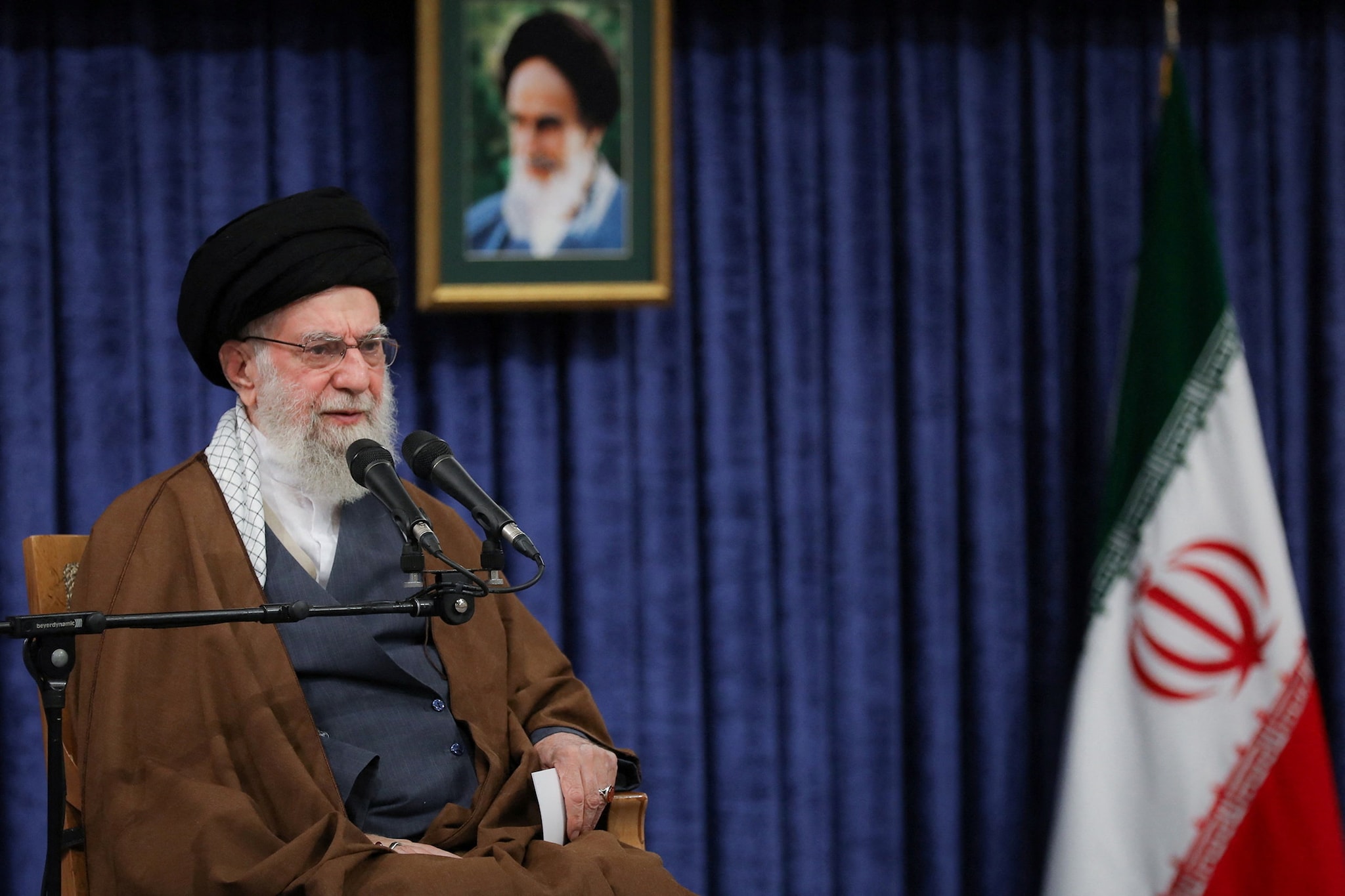
Western media loves a good "End of an Era" obituary. When news broke that Ali Khamenei, the Supreme Leader of the Islamic Republic, died at 86, the predictable machinery of pundits started churning out the same tired script. They paint a picture of a singular, iron-fisted ideologue whose departure leaves a power vacuum that might—just might—lead to a "thaw" or a "Persian Spring."
They are wrong. They are looking at the crown when they should be looking at the motherboard.
Khamenei didn't rule through simple tyranny; he ruled through a sophisticated, decentralized bureaucracy of patronage and paramilitary corporate interests. To think his death triggers a systemic collapse is to fundamentally misunderstand how modern autocracies function. If you’re waiting for a sudden pivot in Iranian foreign policy or a collapse of the "Axis of Resistance," you’re betting on a fantasy.
The Myth of the Great Man
The "Lazy Consensus" suggests that the Supreme Leader is the sole architect of Iran’s hostility toward the West. This view treats the Islamic Republic like a 19th-century monarchy. It ignores the Islamic Revolutionary Guard Corps (IRGC), an organization that has spent the last thirty years evolving from a ragtag militia into a multi-billion dollar conglomerate.
The IRGC doesn't just hold guns; they hold the deeds to construction firms, telecommunications giants, and oil subsidiaries. Khamenei wasn't their boss in a traditional sense—he was the arbiter who balanced their competing interests. His death isn't a decapitation; it's a board shuffle.
I’ve spent years analyzing risk in Middle Eastern markets, and the pattern is always the same: outsiders overestimate the individual and underestimate the institutional inertia. When a CEO leaves a Fortune 500 company, the strategy rarely flips 180 degrees the next morning. The same logic applies to the deep state in Tehran.
The Succession is Already Over
The pundits will spend weeks speculating about the Assembly of Experts and the secret ballots. They’ll weigh the pros and cons of Mojtaba Khamenei versus various mid-level clerics.
This is theater.
The real "succession" happened a decade ago when the IRGC began systematically purging the "reformist" and "moderate" wings of the bureaucracy. The 2021 election of Ebrahim Raisi (before his helicopter crash) and the subsequent vetting of the 2024 candidates proved that the system has already been "purified." The clerical establishment is now largely a rubber stamp for the security apparatus.
If you are looking for a Gorbachev in the wings, stop. The system has evolved specifically to prevent a Gorbachev from ever reaching the inner circle. The next leader will be chosen not for his vision, but for his ability to protect the IRGC’s balance sheet.
The Ideology is a Commodity
"Death to America" isn't a policy; it's a branding exercise. The fiery hostility the competitor article mentions is the fuel that justifies a massive defense budget and the suppression of domestic dissent.
Why would the successor change that?
If the new Supreme Leader suddenly embraced Washington, the IRGC would lose its raison d'être. They would lose their justification for the parallel economy they’ve built to bypass sanctions. Conflict is profitable. Stability is a threat to the current Iranian business model.
The Cost of Being Wrong
Investors and policy wonks who buy into the "collapse" narrative are going to lose money. They’ll see a dip in oil prices based on rumors of a "new direction" and they’ll get caught in the squeeze when the new leadership doubles down on regional proxy wars to prove their "revolutionary" bona fides.
- Logic Check: Why would a new leader, vulnerable and needing to consolidate power, start by alienating the military-industrial complex that keeps him alive?
- The Reality: They won't. They will be more aggressive, not less, in the short term.
The "People Also Ask" Delusion
People ask: "Will Iran become a democracy now?"
No. Democracy requires a middle class with leverage. The Iranian middle class has been systematically hollowed out by a decade of "Maximum Pressure" sanctions and domestic corruption. When the state controls the bread and the internet, "will of the people" is an academic concept, not a political reality.
People ask: "Will the nuclear deal come back?"
The Joint Comprehensive Plan of Action (JCPOA) is a ghost. The Iranian state has realized that nuclear hedging provides more leverage than a signed piece of paper that can be torn up by the next US administration. Khamenei’s death doesn't change the math of the "breakout time."
The Institutionalization of Resistance
We have to stop talking about "The Regime" as a monolithic block of old men in turbans. Think of it as Iran Inc.
- The Supreme Leader: The Chairman of the Board.
- The IRGC: The C-suite and the security detail.
- The Bonyads: The shadow subsidiaries (charitable trusts that control 20% of the GDP).
When the Chairman dies, the C-suite takes more control. In this case, that means a shift toward a more nationalistic, militaristic state rather than a purely religious one. We are likely to see the "Islamic" part of the Republic fade in favor of a "Persian Fortress" mentality.
This isn't a liberalization. It’s a consolidation.
The Failure of "Maximum Pressure"
The competitor article implies that Khamenei’s "iron rule" was the sole barrier to Western interests. This ignores the fact that Western policy—specifically the oscillation between engagement and extreme sanctions—has hardened the very institutions that are now taking over.
By squeezing the formal economy, we forced the Iranian state to master the informal one. They didn't break; they adapted. They built a "resistance economy" that thrives on the very friction we created. Khamenei’s death is the ultimate stress test for this system, and the system is going to pass with flying colors because it was built for this exact moment.
Stop Watching the Funeral
If you want to know what happens next in Iran, don't watch the funeral procession in Tehran. Don't listen to the eulogies.
Watch the border crossings into Iraq. Watch the drone shipments to Russia. Watch the price of crude on the black market. These are the indicators of power. The man in the office has changed, but the office itself has never been more entrenched.
The "fiery hostility" isn't going anywhere because it works. It keeps the ruling class rich and the opposition fragmented. To expect a dead man to take his system with him to the grave is the height of Western arrogance.
The King is dead. Long live the Board of Directors.
Buy the dip in defense stocks. Short the rumors of peace.
The status quo isn't just surviving; it's being promoted.