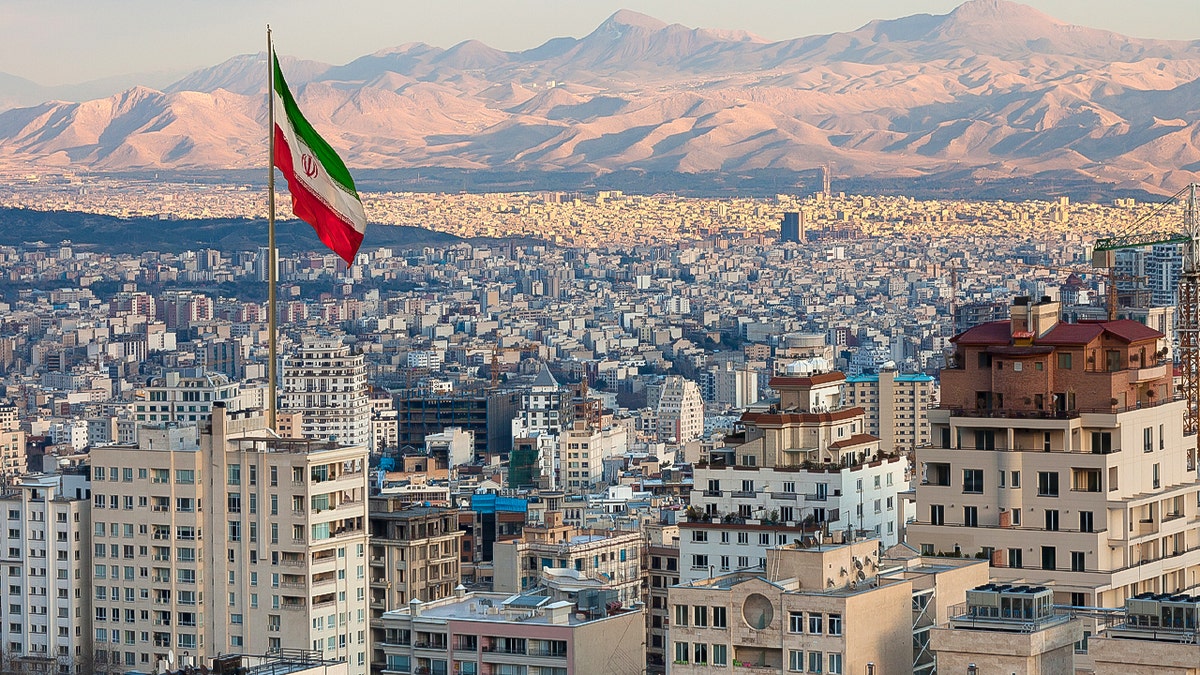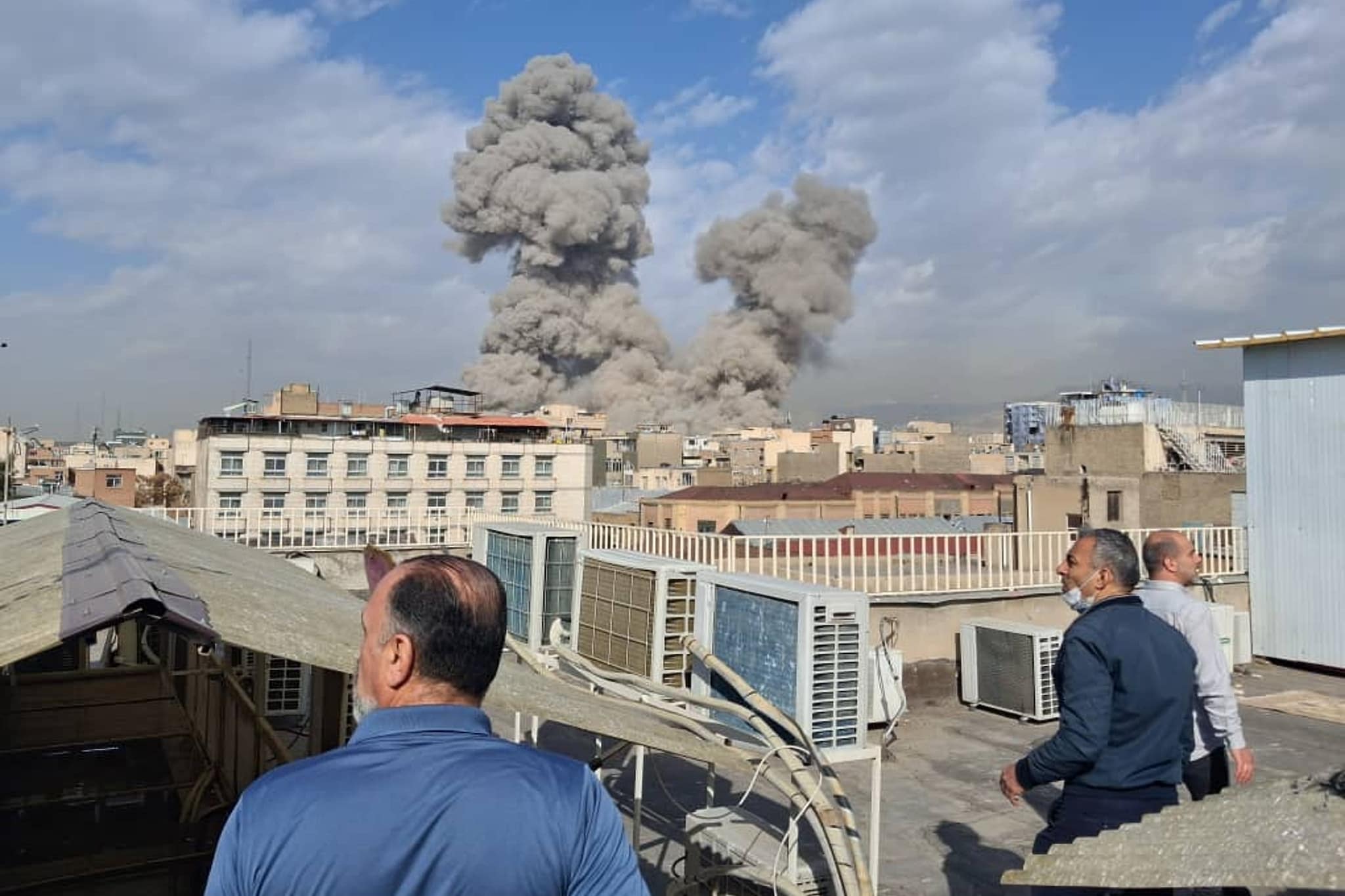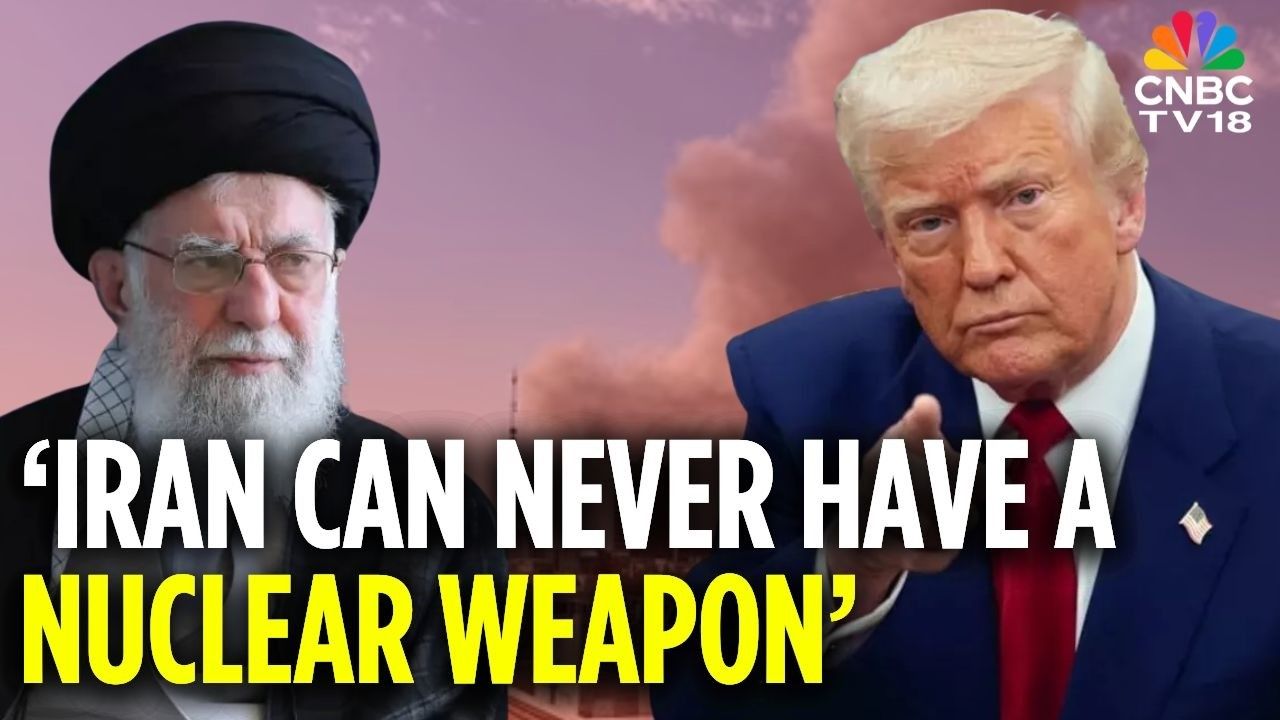
The reports coming out of Tehran aren't just rumors anymore. Iran has officially confirmed that Supreme Leader Ayatollah Ali Khamenei was killed during a series of coordinated strikes by US and Israeli forces. This isn't just another headline. It’s a massive earthquake for the entire region. The government in Iran has already declared a 40-day period of mourning, but the real story is what happens when the grieving stops.
For decades, Khamenei was the ultimate decider. He held the final word on everything from nuclear policy to how the Revolutionary Guard operated in Syria, Iraq, and Yemen. Taking him off the board changes the math for every player in the Middle East. If you thought the region was volatile before, you haven't seen anything yet. The sudden vacuum at the top of the Islamic Republic creates a level of uncertainty we haven't seen since the 1979 revolution.
The Strike That Changed Everything
The technical details of the operation suggest a level of intelligence penetration that should terrify the remaining Iranian leadership. These weren't random bombs. The precision required to hit a high-value target like the Supreme Leader indicates that the US and Israel had eyes and ears inside the most inner circles of the Iranian security apparatus.
We’re talking about a multi-layered offensive. Initial reports point to a combination of long-range standoff missiles and high-altitude stealth platforms. The coordination needed to bypass Iran's air defense systems—some of the most sophisticated Russian-made tech available—shows a clear technological gap. It wasn't just a display of force. It was a message. The message is simple. No one is untouchable.
Intelligence Failures in Tehran
How does a man surrounded by the most elite bodyguards in the world get caught in the crosshairs? It’s likely a mix of signal intelligence and human assets. Someone talked. Or someone’s phone was a beacon. Either way, the Iranian internal security forces are going to be busy purging their own ranks for weeks. They'll be looking for the "mole" while the country tries to process the loss of its ideological center.
Why the 40 Day Mourning Period Matters
In Shia Islam, the 40-day mourning period, known as Arbaeen, is deeply symbolic. It’s a time of intense religious and political mobilization. The Iranian state is using this time to consolidate power. They need to keep the public focused on grief and external enemies rather than the internal chaos that’s brewing.
During these 40 days, don't expect a lot of clarity on a successor. The Assembly of Experts is supposed to choose the next leader, but that’s a messy process behind closed doors. You have different factions—the hardliners, the even-more-hardliners, and the Revolutionary Guard—all fighting for a seat at the table. The mourning period gives them a cloak of "unity" while they sharpen their knives in the shadows.
The Power Vacuum and the Revolutionary Guard
The biggest question right now isn't who becomes the next Supreme Leader. It’s how much power the Islamic Revolutionary Guard Corps (IRGC) grabs. For years, the IRGC has been the muscle, but they still answered to Khamenei. Without him, the IRGC might decide they don't need a clercial figurehead to tell them what to do.
We could see Iran transition from a theocracy to something that looks more like a military dictatorship with a religious veneer. The IRGC controls huge swaths of the Iranian economy. They run the ports. They run the black market. They run the proxy wars. If they feel their interests are threatened by a "weak" successor, they won't hesitate to step in and take total control. That’s a scary prospect for everyone because the IRGC is far more aggressive than the traditional clerical establishment.
Regional Blowback and Proxy Responses
Hezbollah in Lebanon, the Houthis in Yemen, and various militias in Iraq are all grieving today. But they're also wondering about their paychecks. Khamenei was the godfather of the "Axis of Resistance." He provided the vision and the funding.
Lebanon and the Northern Front
Hezbollah is in a tough spot. They're already under immense pressure from Israeli operations. Losing their ultimate patron in Tehran is a psychological blow they can't easily ignore. Will they lash out to prove they’re still relevant? Or will they hunker down and try to preserve what’s left of their arsenal? Usually, when the head of the snake is cut off, the body flails wildly for a bit. We should expect an uptick in rocket fire and drone attempts as a "retaliation" for the strike, even if it’s just for show.
The Red Sea and the Houthis
The Houthis have shown they’re willing to disrupt global shipping for far less than the death of a Supreme Leader. If Tehran gives the order—or if the Houthis feel the need to show loyalty—we could see a total shutdown of certain shipping lanes. This affects global oil prices and supply chains. It’s not just a local problem. It’s a global economic risk.
What This Means for Global Oil Markets
Markets hate uncertainty. As soon as the news broke, Brent crude spiked. Why? Because the Strait of Hormuz is the world's most important oil chokepoint. If Iran decides to close the strait as an act of "holy defense," we’re looking at $150 a barrel oil overnight.
Investors are currently hedging against a total regional war. While a full-scale invasion of Iran is unlikely, the "shadow war" has now burst into the light. This means shipping insurance rates go up. It means transport costs go up. You’ll feel this at the gas pump within the week. Honestly, the economic ripple effects might be more significant for the average person than the political ones.
The Internal Dissent Factor
Let’s be real. Not everyone in Iran is crying today. There’s a massive segment of the population, especially the youth, who have been protesting the regime for years. They remember the "Woman, Life, Freedom" movement. They remember the brutal crackdowns.
For these people, Khamenei’s death is a potential door to change. But it’s a dangerous door. Whenever a regime feels its survival is at stake, it gets more violent, not less. The state will likely use the mourning period as an excuse to arrest any "troublemakers" under the guise of national security. The risk of a civil war or a massive internal uprising is higher than it’s been in forty years.
The US and Israel Strategy
The decision to take out Khamenei wasn't made on a whim. This was a calculated risk. The logic is likely that the Iranian regime is more brittle than it looks. By removing the linchpin, the US and Israel are betting that the whole system will fracture.
But there’s a downside. You’ve now turned a political leader into a martyr. In the Middle East, martyrs are often more powerful dead than alive. If this strike doesn't lead to a systemic collapse of the regime, it might just radicalize the next generation of Iranian leaders. They’ll have a permanent grudge and a reason to accelerate their nuclear program.
The Nuclear Wildcard
Iran has been flirting with "breakout capacity" for a while. With Khamenei gone, the moderates (if there are any left) have zero leverage. The hardliners will argue that the only way to prevent more strikes is to have a functional nuclear deterrent. If Iran decides to sprint for a bomb now, the window for a diplomatic solution is officially closed.
Watch the Succession Closely
The names to watch are Mojtaba Khamenei (the son) and Ibrahim Raisi's allies, though Raisi himself is out of the picture now too. Mojtaba has been building power in the background for years. He has the IRGC’s ear. But a hereditary succession in a revolutionary republic is a tough sell. It looks too much like the Monarchy they overthrew in 1979.
If the transition is messy, expect more strikes. Israel has shown it will take advantage of any moment of weakness. If the Iranian command and control structure is distracted by internal infighting, their nuclear sites become very tempting targets.
Keep your eyes on the official state media outlets like IRNA and Fars News. Watch for who is standing closest to the coffin during the funeral processions. In the world of Kremlinology—or "Tehranology"—the seating chart is everything. It tells you who has the momentum and who is about to be purged.
Immediate Steps for Global Observers
- Monitor Oil Volatility: If you have investments tied to energy or transport, stay sharp. The next 48 hours will define the short-term price floor.
- Check Travel Advisories: If you're anywhere near the Persian Gulf or the Levant, your exit strategy needs an update. Airspace closures are highly likely.
- Watch the IRGC Communications: Look for statements from the Revolutionary Guard high command. Their tone will tell you if they're planning a massive conventional response or a series of asymmetric attacks.
This isn't a situation that resolves itself in a week. The 40-day mourning period is just the prologue. The real shift happens when the flags go back up and the new leader—whoever that is—has to prove they’re tough enough to hold the country together. Iran just lost its architect. Now we see if the building stays standing.