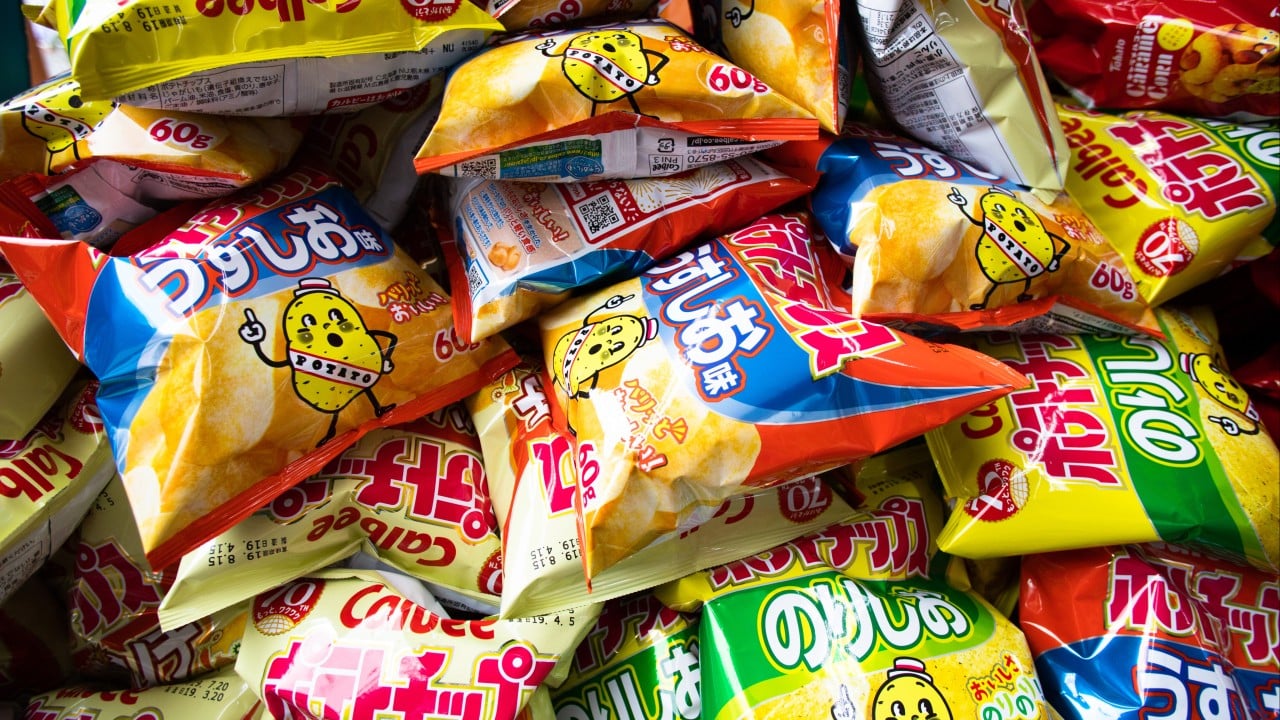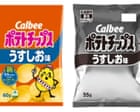
War doesn't just change borders. It changes the ink on your potato chip bag. If you're walking through a Tokyo convenience store right now, the snack aisle looks like a scene from a 1940s film. Calbee, the titan of the Japanese snack industry, recently stripped the vibrant reds and yellows off its packaging. Now, you’re looking at stark black-and-white bags. This isn't a "retro" marketing ploy or a minimalist design trend. It’s a desperate survival tactic triggered by a massive disruption in global energy markets.
The conflict in the Middle East has sent shockwaves through the supply chain. When Iran-related tensions flare, the price of crude oil doesn't just go up at the gas pump. It ripples through every factory that uses petroleum-based products. For a company like Calbee, the problem isn't just the fuel to ship the chips; it's the very ink used to print the brand name. Petroleum is a core ingredient in traditional printing inks. When oil gets scarce, the ink disappears.
This move by a multi-billion-dollar giant proves how fragile our global systems actually are. Most people think of "war impact" in terms of tanks and missiles. They don't think about the fact that a shortage of light crude in the Strait of Hormuz means your spicy seaweed crisps come in a monochrome bag.
The Chemistry Of A Potato Chip Bag
You probably don't spend much time thinking about the chemical composition of a snack wrapper. You should. Modern food packaging is a feat of engineering. It’s usually a multilayered film of polypropylene and polyethylene. Both are plastics. Both come from oil.
Then you have the pigments. High-visibility colors like vibrant red or neon orange require complex chemical stabilizers. Many of these are derived from petroleum distillates. When the Iran war oil shortage hit, the cost of producing these multi-color designs skyrocketed. Calbee realized that if they kept the colorful bags, they’d have to hike prices to a level the average consumer wouldn't pay. Their solution? Cut the color.
By switching to black ink—which is often carbon-based and easier to source than complex colored pigments—Calbee slashed their production costs. It’s a brutal, pragmatic choice. They bet that Japanese consumers care more about the price of the chips than the brightness of the bag. They're probably right.
Why Japan Is The Canary In The Coal Mine
Japan is uniquely vulnerable to these shifts. The country imports nearly 90% of its energy. A huge chunk of that comes through the Middle East. When Iran is involved in a regional conflict, Japan feels the heat faster than almost any other G7 nation.
We saw similar ripples during the 1973 oil crisis. Back then, Japanese housewives were brawling in supermarkets over toilet paper. Today, the crisis is more subtle but just as pervasive. It shows up in "shrinkflation" and, now, "color-flation."
- Logistics costs: Shipping rates for raw potatoes from Hokkaido have doubled.
- Ink scarcity: Petroleum-based solvents for printing are being rationed.
- Energy surcharges: Factories are paying 30% more to keep the fryers running.
The black-and-white bag is a visual signal of a deep economic trauma. It’s a reminder that no matter how advanced our technology gets, we’re still tied to the ground. If the oil stops flowing, the world literally loses its color.
The Hidden Cost Of Colorful Marketing
We’ve been spoiled by cheap oil for decades. That cheap oil allowed us to treat packaging as a throwaway luxury. We demand matte finishes, metallic foils, and ten-color gradients on a bag of corn puffs that costs two dollars.
Calbee’s pivot suggests that the era of "over-packaging" might be ending. For years, Japan has been criticized for using too much plastic. Every individual cookie is wrapped in plastic, placed in a plastic tray, and then put in a plastic bag. The Iran war oil shortage might do what environmentalists couldn't: force a massive reduction in material use.
Using black-and-white packaging isn't just about the ink itself. It also simplifies the printing process. It requires fewer passes through the press. It uses less electricity. It requires less maintenance. In a high-inflation environment, these "marginal gains" are the difference between staying in the black and falling into the red.
What This Means For Your Wallet
Don't think this is just a Japan problem. The global supply chain is a giant, interconnected web. If a major player like Calbee—which owns a significant portion of the global snack market through various subsidiaries—is struggling, others are too.
You’ll start seeing this in your local grocery store soon. Maybe it won't be black-and-white bags right away. It might be thinner plastic. It might be "limited edition" designs that just happen to use 50% less ink. It might be the total disappearance of certain flavors that rely on expensive, imported ingredients.
The reality is that "snack-grade" oil is becoming a luxury. When refineries have to choose between making jet fuel or making ink for potato chips, the chips are going to lose every time.
Survival Tactics For The New Economic Reality
If you’re a business owner or even just a conscious consumer, there are things you can learn from the Calbee situation. You have to be ready to pivot before the market forces your hand.
- Audit your dependencies: Look at your products. How much of your "look" depends on volatile commodities? If your brand identity is built on a specific shade of expensive blue ink, you’re at risk.
- Embrace radical transparency: Calbee didn't try to hide the change. They told the public why they were doing it. People respect honesty. They hate being "tricked" by smaller portions or lower quality.
- Simplify early: Don't wait for a war to streamline your operations. Minimalist design is cheaper and often looks better anyway.
The "black-and-white" era of snacks is a wake-up call. We’re moving into a period where the "fluff" of consumerism is being stripped away. The core product—the chip—is what matters. The bag is just a vessel. If we have to sacrifice the rainbow to keep the food affordable, that's a trade we have to make.
Watch the shelves. The colors are fading, and they might not come back for a long time. This is the new baseline. Get used to it.