A smartphone is a graveyard of ancient stars. Hold it in your hand and you aren’t just holding glass and plastic; you are clutching lithium from salt flats, cobalt from deep veins, and neodymium pulled from the stubborn crust of the earth. These minerals are the hidden pulse of the modern world. Without them, the "green revolution" is a ghost story we tell ourselves to feel better about the future.
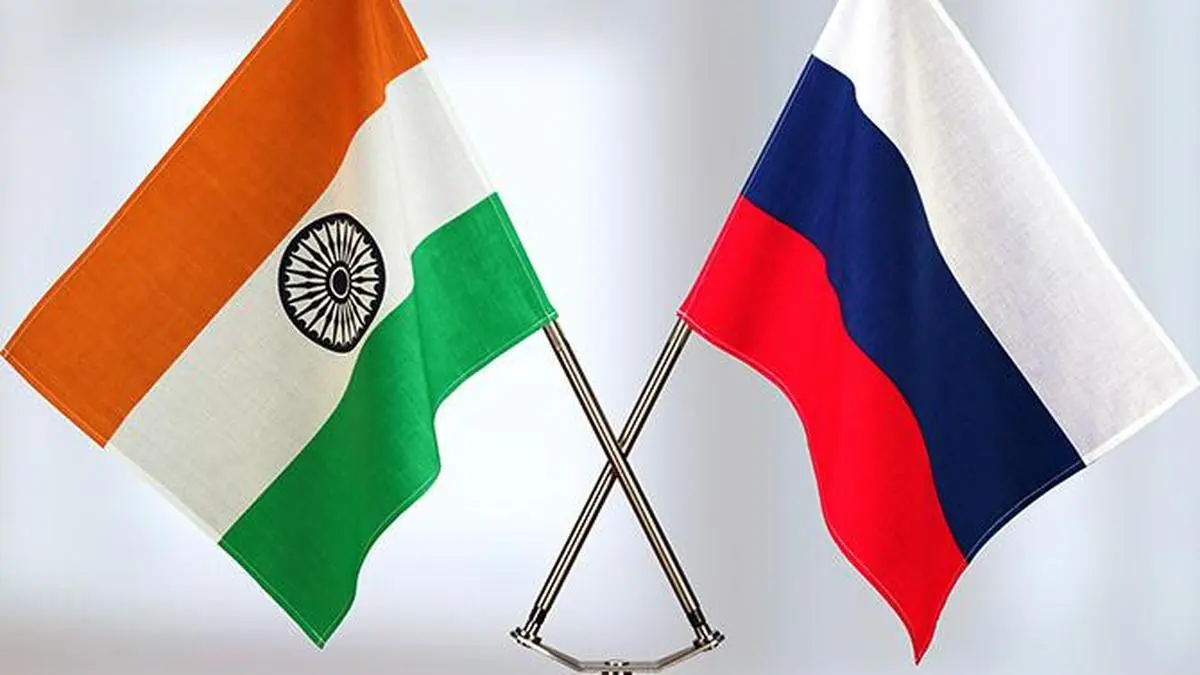
Deep in the halls of New Delhi and Moscow, a quiet negotiation is reaching a fever pitch. It isn’t about borders or missiles, though it carries the weight of both. It is about the "critical minerals pact." India and Russia are moving toward a deal that would secure the raw materials required to keep the lights on in the 21st century.
The Anatomy of a Scarcity
To understand why bureaucrats are losing sleep over rocks, you have to look at someone like Aarav.
Aarav is a hypothetical engineer in Bengaluru, tasked with designing the battery arrays for India’s next generation of electric buses. He is brilliant, but he is stuck. His blueprints are perfect, yet his assembly line is silent. Why? Because the supply chain for the minerals he needs—lithium, copper, nickel—is a choked artery.
Currently, a handful of nations hold a monopoly on the processing of these materials. If a single diplomatic wire is tripped, Aarav’s factory stops. The bus stays a sketch. The city stays shrouded in smog.
India knows this vulnerability. The nation has set aggressive goals to reach net-zero emissions, but you cannot build a solar panel out of good intentions. You need gallium. You need germanium. You need a partner who has them in abundance.
Russia happens to be sitting on one of the world's most vast, untapped geological bank accounts.
The Siberian Vault
The logic of the deal is as old as trade itself: one side has the hunger, the other has the bread.
Russia’s Far East and its Arctic territories are brutal, frozen landscapes that hide unimaginable wealth. We are talking about massive deposits of platinum group metals and rare earths that have remained locked under the permafrost for eons. For Moscow, these minerals are a lifeline. As traditional oil and gas markets face a long, slow sunset, the Kremlin is pivoting toward the materials of the future.
They need a buyer who won't blink. They need a market with a billion-plus consumers and a desperate need for industrial growth.
India fits the bill.
The two nations are currently in "advanced talks" to create a formal framework. This isn't just a simple purchase order. It is a strategic alignment. The pact aims to facilitate joint ventures, where Indian companies would gain the right to mine in Russian territories, and Russian expertise in deep-earth extraction would flow back into the subcontinent.
Consider the sheer scale of the logistical nightmare. To get a ton of ore from the Russian interior to a processing plant in Gujarat, you have to navigate the high seas, negotiate complex insurance hurdles, and bypass the tangled web of global sanctions that have become the "new normal" of international finance.
Yet, the hunger persists.
Why the World is Nervous
Money is the loudest voice in the room, but security is the one that stays until the end of the meeting.
The Western world watches these talks with a mixture of anxiety and pragmatism. On one hand, there is the desire to isolate Russia economically. On the other, there is the cold reality that the global energy transition will fail if we cannot access these minerals.
If India secures a dedicated pipeline of Russian minerals, it changes the gravity of global trade. It creates a "Global South" axis that functions independently of Western-controlled supply chains.
It is a gamble.
For India, the risk is reputational and financial. Dealing with Russia in the current climate is like walking a tightrope during a hurricane. But for New Delhi, the risk of not acting is higher. A country that cannot power itself is a country that cannot lead.
Imagine a future where India’s "Make in India" initiative isn't just a slogan but a reality powered by Siberian cobalt. That is the prize.
The Invisible Stakes
We often talk about geopolitics as if it were a game of chess played by giants. We forget that the pieces on the board are made of the very minerals we are discussing.
The "Critical Minerals Pact" is a confession. It is an admission by two of the world's major powers that the era of easy resources is over. We have picked all the low-hanging fruit. Now, we have to go to the hardest places on earth—the freezing tundra and the scorching desert—to find the ingredients for our digital lives.
There is a certain irony in it. To save the atmosphere from carbon, we must tear open the earth for lithium.
This deal is the physical manifestation of that irony.
It isn't just about trade balances or GDP growth. It is about the frantic, human scramble to ensure that when the next generation flips a switch, the light actually comes on. It’s about Aarav in Bengaluru finally seeing those buses roll off the line. It’s about the silent, grinding machinery of the world finding a way to keep turning, even when the politics above ground suggest everything should stop.
The handshake between New Delhi and Moscow isn't happening in a vacuum. It is happening in a world that is running out of time and running out of easy answers.
When the deal is finally inked, it won't be celebrated with a parade. There will just be a quiet shift in the flow of ships across the Indian Ocean. Deep in the earth, the stones will be moved. And in a thousand cities, the batteries will begin to charge, powered by a pact signed in the shadow of a changing world.
The earth doesn't care about our borders. It only holds what it holds. We are just the ones trying to figure out how to share the remains of the stars.
:max_bytes(150000):strip_icc():focal(708x236:710x238)/United-Airlines-First-Class-Cabin-041024-d7f929ad60ef4a9e95d6ebdeaf87d6a4.jpg)