The air in the American Southwest is thin, crisp, and smells of sagebrush. It is the kind of air that feels like a tonic. But for 41 people currently scattered across the landscape of our awareness, that same air has become a source of quiet, agonizing scrutiny. They are the ones the CDC is watching. They aren't sick—not yet, and perhaps they never will be—but they are living in the shadow of a ghost.
Hantavirus doesn’t arrive with the fanfare of a seasonal flu or the predictable rhythm of a common cold. It is a hitchhiker. It waits in the dark corners of sheds, the insulation of seasonal cabins, and the dusty floorboards of long-forgotten garages. It travels on the back of the deer mouse, a creature so small and unassuming it could fit in the palm of your hand.
Right now, the official word from the CDC is one of cautious stillness: there are no active, confirmed cases of Hantavirus Pulmonary Syndrome (HPS) in the United States today. However, the clock is ticking for dozens of individuals who may have breathed in what shouldn't have been there.
The Anatomy of a Dust Mote
Consider a hypothetical woman named Sarah. She spent last weekend opening up her family’s summer cabin in the mountains. It’s a ritual she loves. She swept the floors, shook out the old rugs, and wiped down the counters. To Sarah, the dust motes dancing in the shafts of sunlight were just signs of a house that had been asleep.
She didn't see the microscopic particles she stirred up with her broom. She didn't see the dried remnants of deer mouse droppings and urine that had turned into an invisible aerosol. She breathed deep, sighed with the satisfaction of a job well done, and went home.
Now, she is part of a statistic. She is one of the 41.
The virus doesn't attack immediately. It lingers. The incubation period is a psychological marathon, lasting anywhere from one to eight weeks. For those under monitoring, every dry cough is a question mark. Every muscle ache is a potential catastrophe. Every slight rise in body temperature feels like the beginning of an end.
Why the Stakes Are Different
We have become accustomed to viruses that spread from person to person—the cough in the grocery store line, the handshake at a meeting. Hantavirus is a different beast entirely. It is zoonotic, meaning it makes the jump from animal to human, but it hitches a ride on the very air we breathe. Once it enters the lungs, the narrative shifts from a simple infection to a high-stakes battle for oxygen.
HPS is rare. That is the comfort. But it is also brutal. It has a mortality rate of approximately 38%.
When the virus takes hold, it mimics the flu at first. Chills, fever, and those deep, throbbing aches in the large muscle groups—the thighs, the back, the shoulders. But as the days progress, the lungs begin to fill with fluid. It is an internal drowning, a physiological betrayal where the body’s immune response becomes so aggressive that it compromises the very organs it is trying to protect.
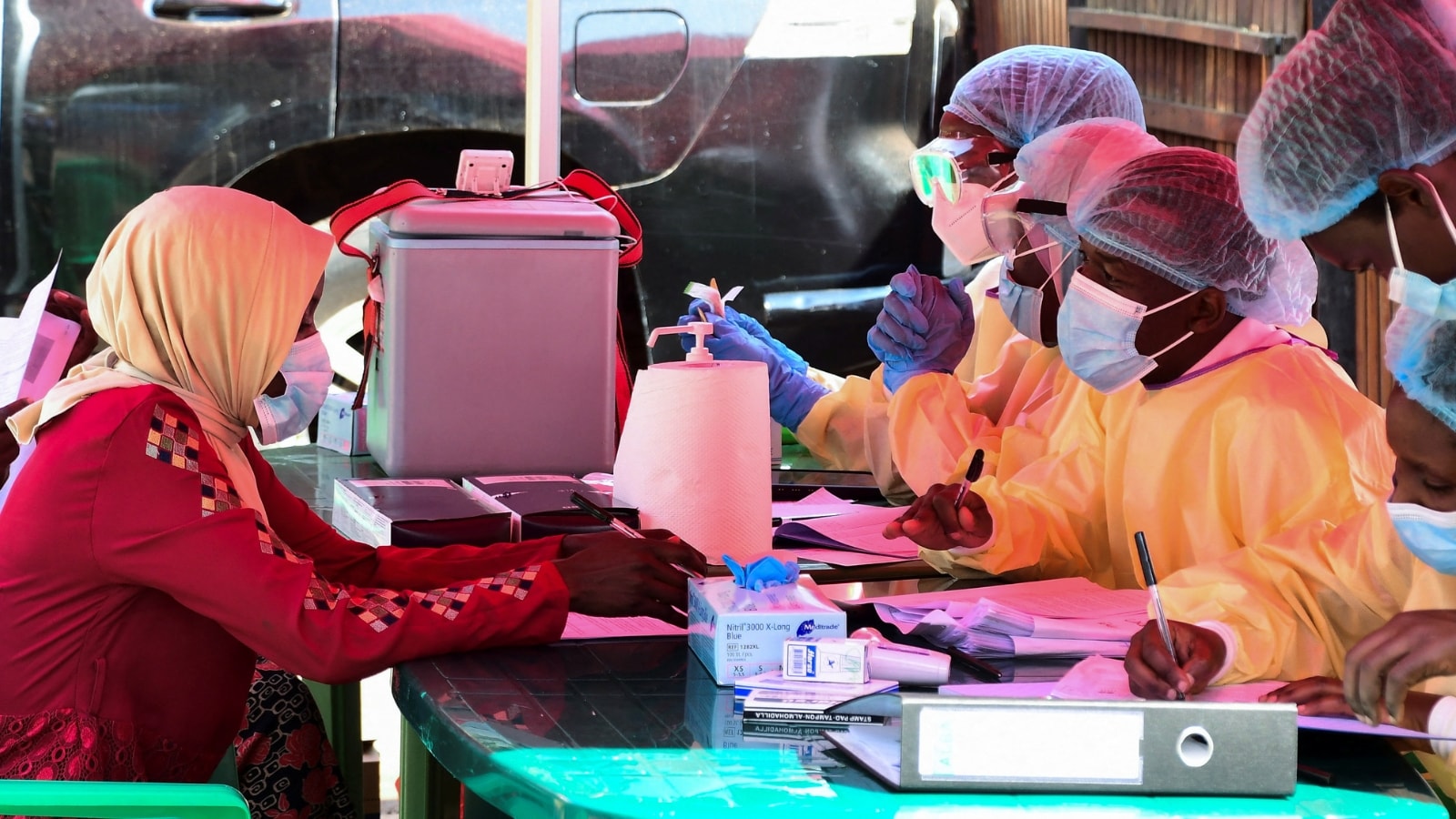
The 41 people currently being monitored are essentially waiting to see if their bodies have been compromised by a silent intruder. The CDC’s role here is that of a sentinel. They are tracking these individuals not because they are a danger to others—Hantavirus does not spread between humans—but because early intervention is the only real weapon we have.
There is no "cure" in the traditional sense. No magic pill, no specific antiviral that shuts it down. The treatment is supportive: oxygen, intubation, and the hope that the patient’s own strength can outlast the virus’s peak.
The Ecology of Risk
This isn't a story about a "outbreak" in the way we usually define it. It is a story about the intersection of human expansion and the natural world.
Deer mice don't want to be your roommates. They are survivors. When the winter is harsh or the spring is particularly wet, they seek the same things we do: warmth, shelter, and a bit of stored grain. They find it in the cracks of our foundations and the voids in our walls.
The risk fluctuates with the seasons and the rain. A "mast year" for seeds leads to a boom in the mouse population. More mice mean more interactions. More interactions mean more opportunities for the virus to find a human host.
The current situation—zero active cases but dozens under watch—highlights the terrifying precision of modern public health. We are no longer waiting for the bodies to pile up before we take notice. We are tracking the potential. We are watching the shadows.
The Ritual of Prevention
For those who live in areas where the deer mouse is a neighbor, the CDC’s current monitoring is a reminder that safety is a matter of technique.
If you find yourself in Sarah’s position, standing before a dusty shed or a closed-up cabin, the instinct to grab a broom is your greatest enemy. Sweeping or vacuuming sends the virus airborne. Instead, the process must be a wet one. You don gloves. You douse the area in a mixture of bleach and water. You let it soak, pinning the invisible threats to the floorboards. You wipe, you don't sweep.
You wear a mask. Not because you are sick, but because the air itself might be a carrier.
It feels like overkill until you realize the alternative. It feels like paranoia until you remember the 38%.
The Human Element of the Watchlist
What is it like to be one of those 41?
It is a life lived in increments. You wake up and check your throat. You go for a walk and wonder if your shortness of breath is from the hill or from something deeper. You read the headlines that say "No U.S. Cases Currently" and you find a sliver of hope, followed immediately by the realization that the sentence isn't finished yet.
Public health officials are often criticized for being alarmist, but their job is to be the ones who worry so that the rest of us don't have to. By monitoring these 41 individuals, they are creating a firebreak. They are ensuring that if one of those people starts to slip into the respiratory distress that defines HPS, they are already in the system. They are already being watched. They are already a priority.
The numbers—41 people, zero cases—are cold. They are dry. They belong on a spreadsheet in an office in Atlanta. But the reality is found in the homes of those 41 people, where the thermometer sits on the bedside table and the sound of a clearing throat carries the weight of a heartbeat.
The high desert air is still beautiful. The cabins are still waiting for their summer visitors. The deer mice are still scurrying through the brush, oblivious to the havoc they carry in their wake. We live in a world that is shared, and sometimes that sharing comes with a price we cannot see until we take our next breath.
The monitoring will continue. The weeks will pass. Eventually, those 41 people will step out of the shadow of the eight-week window and back into the sun. They will breathe deep, and for the first time in a long time, they won't have to wonder what they are taking in.
Until then, we wait with them, acknowledging that in the dance between humanity and the wild, the smallest creatures often cast the longest shadows.