The glow of a smartphone screen at 2:00 AM has a specific, clinical quality. It illuminates the insecurities we usually manage to tuck away during daylight hours. For a thirty-year-old woman in Hong Kong, that light wasn't just reflecting off her face; it was a digital shop window. She wasn't looking for jewelry or handbags. She was looking for a shortcut to a version of herself that society had convinced her was mandatory.
This isn't a story about a master criminal. It is a story about the desperate intersection of vanity, unregulated commerce, and the chemical promise of a smaller waistline.
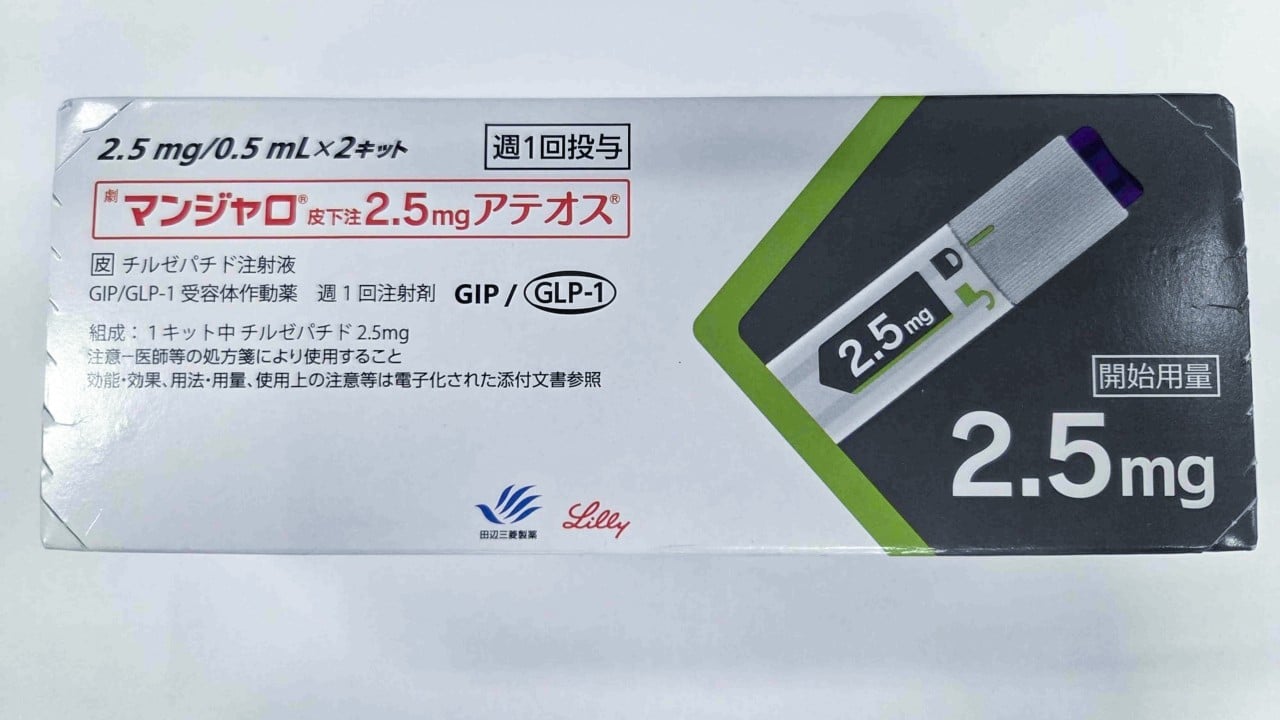
Earlier this week, the Hong Kong police and the Department of Health descended on a residential unit. They weren't looking for stolen goods or illicit substances in the traditional sense. They were there for a prescription drug that has become the most talked-about liquid in the modern world. They arrested a woman for the illegal sale of slimming injections—specifically, a substance suspected to be a potent, regulated medication intended for diabetics, not for casual, unsupervised weight loss.
The scene was mundane. No high-speed chases. No dramatic shootouts. Just a woman, three decades into her life, allegedly middleman-ing a medical risk through the veil of social media.
The Alchemy of the Unregulated
To understand why someone would risk their freedom and others' lives for a vial of liquid, you have to understand the magic we’ve projected onto these drugs. We are living in an era where the metabolic "reset button" feels within reach. But when that button is pressed outside the confines of a doctor's office, the magic curdles into something far more dangerous.
The drug in question belongs to a class of medications known as GLP-1 receptor agonists. In a controlled medical setting, these are wonders of modern science. They mimic a hormone that tells your brain you are full and tells your stomach to slow down. For a person with Type 2 diabetes, this is a lifeline. It regulates blood sugar and prevents the slow decay of the cardiovascular system.
But on the black market, the narrative changes. It isn't about $A1c$ levels or insulin sensitivity. It is about the "snatched" look. It is about the "slimming jab."
Consider a hypothetical scenario—let’s call her May. May sees an ad on a popular social media platform. The photos are convincing: "Before" is a woman looking tired in a dressing room; "After" is the same woman, twenty pounds lighter, glowing in the sun. The caption doesn't mention the nausea, the potential for pancreatitis, or the fact that the liquid in the syringe might have been sitting in a hot delivery van for three days.
May doesn't ask for a prescription. She doesn't ask if the seller is a licensed pharmacist. She sees a price, a promise, and a "Buy Now" button.
The Invisible Cold Chain
The danger of these illegal sales isn't just the drug itself; it is the logistics of the shadows. These medications are delicate. They are proteins. They are biological masterpieces that require what scientists call a "cold chain."
From the moment they leave the factory to the moment they enter a human arm, they must be kept at a precise temperature. If they get too warm, the proteins break down. They become useless at best and toxic at worst. If they freeze, they are ruined.
When you buy a slimming injection from an unauthorized seller on the street or through a direct message, you are gamboling with biological integrity. That "deal" might contain nothing more than saline. Or, it could contain a degraded version of the drug that triggers an immune response your body isn't prepared to handle.
The woman arrested in Hong Kong wasn't just selling a product. She was bypassing the entire safety net of modern medicine. She was selling a medical procedure without the medicine.
The Weight of the Mirror
Why do we do it? Why does a thirty-year-old woman decide that the risk of a criminal record is worth the reward of selling these vials?
The answer is found in the crushing weight of aesthetic expectations. In cities like Hong Kong, where the pace of life is a sprint and the culture of comparison is reinforced by every billboard and Instagram feed, the pressure to be thin is a physical burden. We have commodified the human body to such an extent that people are willing to bypass the law to achieve an "ideal" that was manufactured in a boardroom.
The illicit trade of these drugs is the dark shadow of a legitimate medical breakthrough. We have seen this pattern before. When a miracle cure hits the market, the demand always outstrips the legal supply. That gap is where the vultures circle.
The "slimming injection" has become a status symbol. It is the "Birkin" of the pharmacy world—exclusive, expensive, and highly coveted. When a product attains that level of cultural cachet, people stop seeing it as medicine. They start seeing it as a lifestyle accessory. But you don't inject a handbag into your thigh. You don't risk a thyroid tumor for a pair of shoes.
The Silent Side Effects
The law is clear, yet the "why" remains complex. Under the Pharmacy and Poisons Ordinance, the illegal sale of Part 1 poisons is a serious offense. It carries a maximum penalty of a $100,000 fine and two years in prison. These aren't just arbitrary numbers. They are a reflection of how much damage an unregulated syringe can do to a community.
When a doctor prescribes these medications, they are looking at your family history. They are checking your kidney function. They are monitoring your heart. They are looking for the "why" behind your weight.
The social media seller is only looking at your bank transfer.
There is a visceral horror in the thought of a "beauty treatment" being administered in the back of a shop or a quiet apartment, far from the reach of an EpiPen or an emergency room. We are talking about substances that fundamentally alter your endocrine system. This isn't a facial. It isn't a haircut. It is a profound chemical intervention.
The Fragmented Soul of the Seller
We often vilify the seller, and rightfully so, for the physical danger they put others in. But there is a tragedy in the seller’s position too. Often, these individuals start as users. They find a "source." They see how much people want it. They see a way to pay for their own habit or to make a quick profit in an economy that feels increasingly stacked against the young.
The thirty-year-old woman in this case is a symptom of a larger rot. She is the final link in a chain of desperation that starts with a pharmaceutical shortage and ends with a knock on a door by the authorities.
The real cost of this arrest isn't the legal fees or the jail time. It is the revelation of how thin the ice is that we are all walking on. We are so desperate for a shortcut that we have abandoned the most basic instincts of self-preservation. We have turned our bodies into laboratories and our social feeds into pharmacies.
The vials seized by the police are now evidence. They will be tested, categorized, and eventually destroyed. But the demand that brought them into that apartment hasn't gone away. It is still there, vibrating in the pockets of millions of people as they scroll through images of perfection, wondering if they are one injection away from happiness.
We have to ask ourselves: when did the fear of being "average" become greater than the fear of being poisoned?
The silence in that residential unit after the arrest was likely heavy. The smartphone, finally silenced and bagged as evidence, no longer glows. But out there, in a thousand other apartments, the light is still on. Someone is typing a message. Someone is asking for a price. Someone is waiting for a needle to solve a problem that a needle was never meant to fix.
We are searching for a chemical solution to a cultural wound, and as long as we keep looking in the dark corners of the internet for a miracle, we will keep finding ourselves in the crosshairs of a reality that doesn't care about our "After" photo.