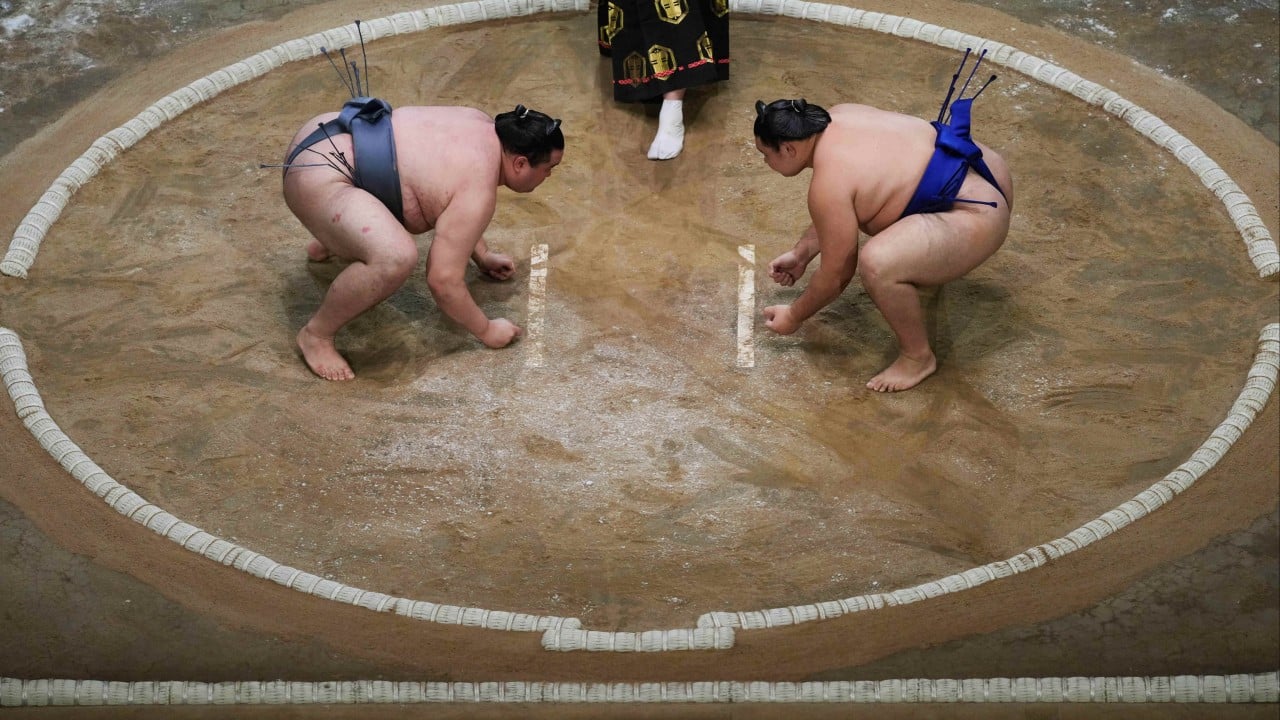
Climate reality has finally breached the sacred inner sanctum of professional sumo. For generations, the Japan Sumo Association operated under an unyielding physical philosophy: endurance of extreme elements was part of the apprenticeship. That ethos is collapsing under unprecedented atmospheric pressure. Extreme ambient temperatures across the archipelago have forced organization leaders to rethink the structure of the regional Jungyo, the touring arm that brings grand champions and hopeful apprentices to regional cities outside the major tournament hubs.
The numbers driving this operational emergency are stark. With numerous monitoring stations routinely clocking heat levels at or above 35°C—and regional spikes pushing toward 40°C—the traditional summer tour has transformed into a medical hazard. During recent stops in prefectures like Yamagata and Saitama, local civic gymnasiums and municipal halls proved entirely unequal to the task. Communal dressing rooms lacked basic climate control, forcing high-ranking wrestlers to orchestrate emergency relocations into makeshift air-conditioned zones just to prevent heatstroke. Also making news recently: Why Obsessing Over the Rams Backup Quarterback Job Is a Total Waste of Time.
Jungyo Director Takadagawa addressed the media with blunt candor following a tour stop in Chiba Prefecture, making it clear that institutional survival now supersedes stubborn adherence to outdated conditions. The association is moving to slash the annual tour length from its traditional roughly 90-day footprint down to a condensed 70-something-day schedule starting next summer. Furthermore, future host cities will face strict infrastructural vetting; if a municipal venue lacks adequate air conditioning, it will be dropped from the itinerary entirely.
The Weight of Tradition Versus Thermodynamics
To understand why this shift represents a profound cultural earthquake, one must examine the mechanics of the regional tour. Unlike the six official grand tournaments, or honbasho, which take place in permanent, heavily engineered facilities like Tokyo’s Ryogoku Kokugikan or Nagoya's modern arenas, the regional tours are designed to bring the sport directly to fans in Japan's provinces. These regional legs rely heavily on aging municipal infrastructure built decades ago—structures that frequently lack modern HVAC capabilities. Additional insights on this are covered by FOX Sports.
For the athletes, the physiological burden is unique. Professional sumo wrestlers carry massive body mass, a physical adaptation that optimizes ring leverage and impact absorption but severely compromises thermoregulation. Internal core temperatures rise rapidly under physical exertion, and shedding metabolic heat becomes exponentially harder when ambient temperatures cross critical thresholds. When athletes spend hours in unconditioned dressing rooms—crammed shoulder-to-shoulder with dozens of stablemates, lower-division fighters, and attendants—the risk of heat exhaustion multiplies.
Injuries are mounting as a direct consequence of this thermal stress. Strained muscles, dehydration-related cramps, and sudden drop-outs during the middle of tours disrupt the competitive hierarchy. When elite competitors are sidelined by preventable physical trauma, the commercial and artistic integrity of the tour suffers. Fans who purchase premium tickets expect to see the sport’s biggest names perform at their peak, not watch them struggle against environmental exhaustion.
Restructuring the Calendar
The proposed contraction from 90 days down to roughly 70 days is more than a simple reduction in working days. It signals a complete redesign of how the association manages logistics. Instead of a frantic, high-mileage transit schedule that bounces wrestlers across distant prefectures on tight turnarounds, the new model favors multi-day residencies.
Under this cluster-booking strategy, stables will remain in a single region for two or three consecutive days, competing in localized circuits before moving on. This reduces transit fatigue, cuts down carbon footprints, and allows training camps to establish stable recovery routines. It also gives municipal organizers time to prove their facilities can maintain safe interior temperatures.
Critics within traditional circles argue that shortening the tour dilutes the connection between rural supporters and the stable dynasties. Yet that argument ignores the mounting human cost. Wrestlers are elite professional athletes, not indestructible artifacts of feudal history. Protecting their physical longevity ensures the sport can continue to generate high-level competition for decades to come.
The Broader Reckoning for Traditional Sports
Sumo is not alone in this struggle. Across Japan, outdoor and semi-indoor sports are grappling with the reality of altered climate patterns. Baseball leagues, high school tournaments, and regional festivals are all rewriting their playbooks to survive summer operations. However, sumo’s unique aesthetic—steeped in heavy fabrics, skin-to-skin combat, and massive physical mass—leaves it with zero margin for error.
The association's willingness to abandon venues that fail climate standards marks a pragmatic departure from decades of institutional inertia. It proves that even an institution defined by centuries of unchanging ritual can adapt when faced with empirical reality.
As planning shifts toward the upcoming calendar revisions, regional governments eager to host the stable tours now face a clear ultimatum. Upgrade municipal arenas with reliable cooling systems, or watch the nation's most storied traditional spectacle pass your city by. The ring will remain, but where and how it is deployed will never be the same.