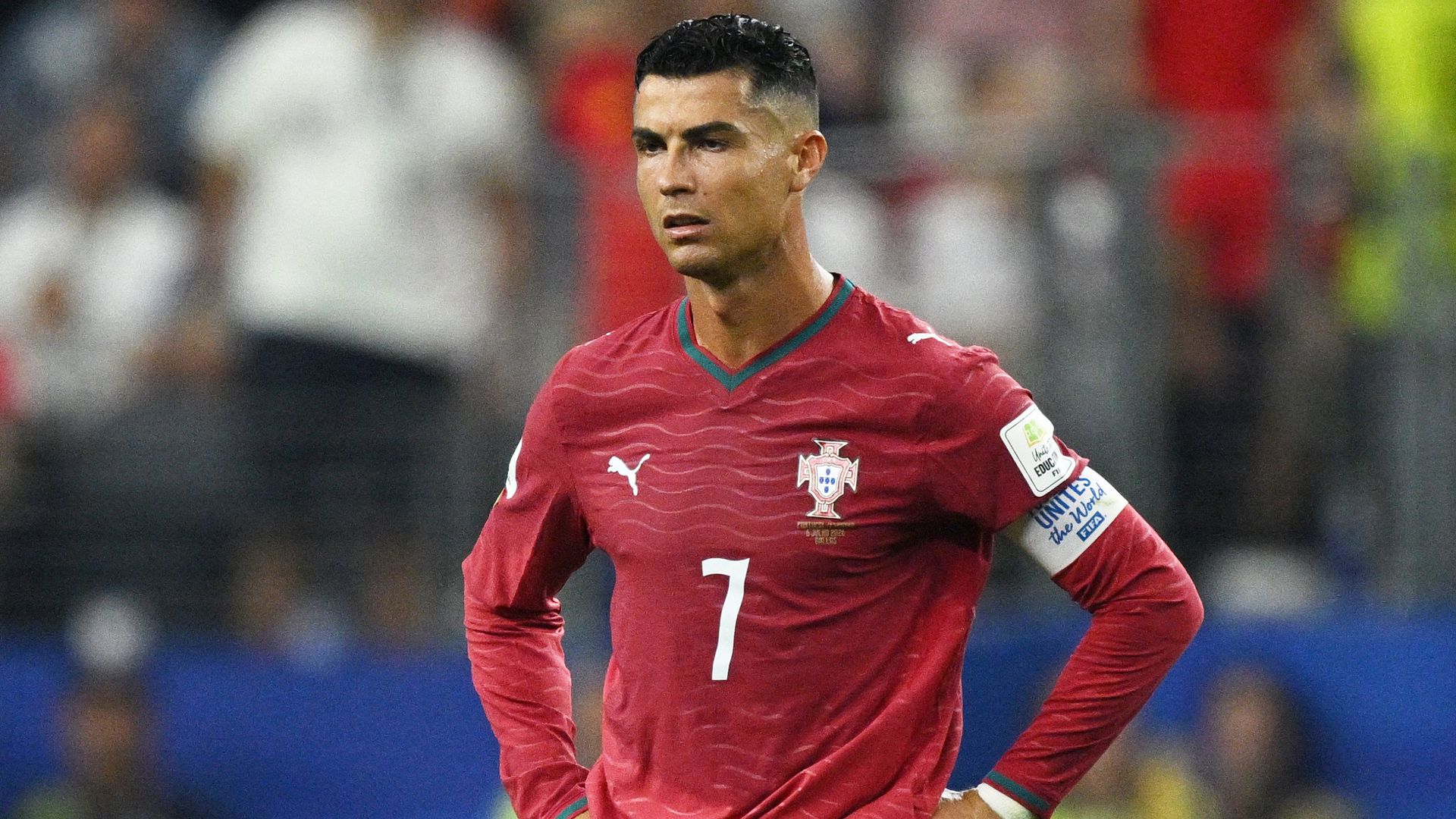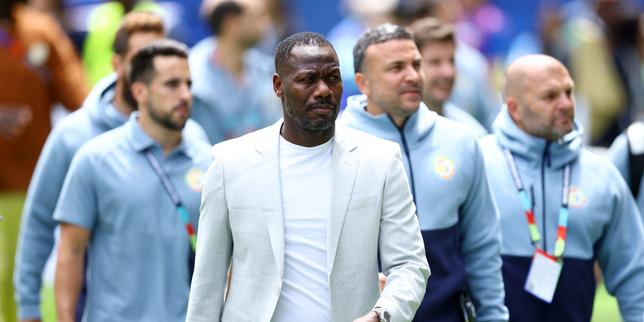
The Senegalese Football Federation just performed a masterclass in institutional cowardice. After a grueling 14-hour marathon meeting in Dakar, the executive committee emerged from the shadows of the night to announce they had axed national team coach Pape Thiaw and his entire technical staff. The collective sigh of relief from the federation suites was audible; they found their sacrificial lamb.
The mainstream media is already buying the lazy official narrative. They point to the round of 32 exit at the 2026 World Cup, the three tournament defeats against France, Norway, and Belgium, and that harrowing collapse against the Belgians where a 2-0 lead evaporated in the final five minutes of regular time. They call it an unmitigated disaster. They label it a failure of leadership.
They are completely wrong.
Sacking Pape Thiaw is a reactionary, short-sighted blunder designed to deflect from the systemic dysfunction rotting the core of Senegalese football governance. By firing the man who navigated an impossible transitional period, the federation has opted to reset a clock that did not need resetting, ensuring that the actual culprits behind the team's administrative chaos remain comfortably protected in their seats.
The Myth of the World Cup Failure
Let us dismantle the premise that this World Cup campaign was a catastrophic failure. Context is completely ignored by commentators looking for a cheap headline. Senegal was dropped into a brutal Group I that featured European heavyweights France and an elite, hyper-optimized Norway side.
Losing narrow matches to global football superpowers is not a sign of systemic collapse; it is the reality of tournament football at the highest level. Thiaw still secured qualification for the knockout rounds by completely dismantling Iraq 5-0, demonstrating exactly how lethal this team can be when playing without administrative anchors dragging them down.
Then came the round of 32 match against Belgium. For 85 minutes, Thiaw out-tacticed one of the finest teams in Europe. The Teranga Lions were organized, lethal on the counter, and thoroughly dominant. The late-game collapse that led to a 3-2 extra-time defeat was agonizing, but attributing a five-minute mental blackout strictly to the manager is a fundamentally flawed analysis of modern football.
Football matches at this level are decided by microscopic margins. When players lose concentration in the 86th minute, it is rarely because they forgot the tactical blueprint. It is almost always a symptom of mental fatigue brought on by a toxic, chaotic environment behind the scenes.
The Contractual Circus in the Tanière
If you want to know why Senegal collapsed in the final minutes against Belgium, do not look at Thiaw’s whiteboard. Look at the federation's ledger.
It was recently revealed that Thiaw signed his official contract a mere three hours before kickoff against Norway during the group stage. Imagine a scenario where a corporate executive is asked to lead a multi-million-dollar merger, but the board refuses to sign his employment agreement until ninety minutes before the opening presentation. It is amateurish. It is chaotic. It sends a message of profound instability to the entire dressing room.
I have seen sports organizations blow millions trying to buy quick success while treating their operational structure like a weekend hobbyist league. You cannot expect absolute tactical discipline on the pitch when the governing body operates with the organizational competence of a regional tournament. The players are not insulated from this stress. They see the federation arguing over bonuses, they see the administrative delays, and they see their manager being treated like a temporary contractor while fighting on the world stage.
The federation wanted a puppet they could control on the cheap, paying Thiaw 30 million francs CFA net per month—a fraction of what foreign managers command—while expecting him to perform miracles under impossible constraints. Now, they are writing him a 240 million francs CFA severance check. That is public money wasted simply to save face.
The Erasure of the 2025 AFCON Triumph
The absolute lack of institutional memory in football is staggering. Less than a year ago, Pape Thiaw stabilized a listing ship after the departure of Aliou Cissé. He did not just steady the waters; he guided Senegal to the 2025 Africa Cup of Nations title. He integrated a transitional generation of talent while preserving the fierce competitive identity of the old guard.
To discard a proven winner because of an extra-time loss in a World Cup knockout match is the height of executive incompetence. International football development requires continuity. Real tactical identities take years to solidify. Look at the heavy hitters of world football—the nations that consistently reach semi-finals and finals. They do not fire their tacticians the moment a bounce goes against them in a knockout tournament. They double down on structural stability.
By completely purging the technical staff—including experienced minds like Teddy Pellerin, Lamine Diagne, and Tony Sylva—the federation has burned down the entire house just to fix a broken window. They have stripped away the institutional knowledge, the player relationships, and the tactical continuity built over the last two years.
The Danger of the Next Cycle
The federation claims this firing is necessary to open a new chapter ahead of the 2027 AFCON and the 2030 World Cup. This is a classic corporate diversion tactic. When the product fails due to poor infrastructure, fire the project manager and promise a shiny new roadmap.
The reality of the next coaching cycle is grim. Any elite tactical mind looking at the Senegal vacancy right now will see a toxic workspace. They will see a federation that panics under media pressure, negotiates contracts hours before crucial World Cup matches, and clears out an entire staff after a single heartbreaking loss. The top-tier candidates will pass, leaving Senegal to appoint either an expensive European mercenary who does not understand the culture, or another domestic coach who will be discarded the moment the federation needs a fresh scapegoat.
Stop blaming the dugout for problems that originate in the boardroom. Pape Thiaw was not the problem. He was the only thing keeping the structural cracks from showing sooner. By removing him, the federation has not fixed the machine; they have simply removed the warning light. The descent into mediocrity starts right now.